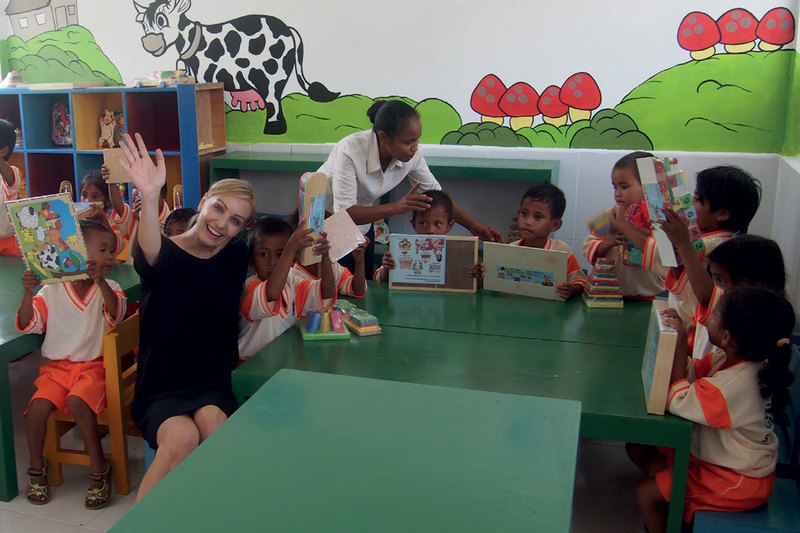
Indonesian Minister of Coordination for Infrastructure and Regional Development, Agus Harimurti Yudhoyono, announced the launch of the 'Schools for the People' project as an effective strategy to combat poverty. The initiative aims to provide high-quality education for children from low-income families, contributing to improving their future and breaking the cycle of sustainable poverty.
During his statements in Jakarta, Yudhoyono emphasized that this project represents an important step towards achieving social justice, as it will provide children from low-income families with the opportunity to learn without imposing additional financial burdens on their parents. He explained that the goal is to graduate a generation of outstanding children who can either enroll in universities or enter the job market directly.
Event Details
The 'Schools for the People' project includes the construction of 104 schools in various regions of Indonesia, with organizers hoping to have a positive impact on local communities by providing job opportunities and boosting the local economy. Yudhoyono also highlighted the importance of using local materials and employing local labor in building these schools, contributing to revitalizing the local economy.
The minister called on all stakeholders to monitor the project to ensure its completion on time while maintaining quality and safety standards. He affirmed that the goal is not only to achieve speed in construction but also to ensure the sustainability and quality of the project.
Background & Context
Indonesia is one of the largest countries in Southeast Asia, facing significant challenges in education and poverty. Over the years, the Indonesian government has worked to improve the education system, yet many families still suffer from a lack of educational opportunities. The 'Schools for the People' project comes as part of ongoing government efforts to expand access to education and improve its quality.
The need for such initiatives is increasing, especially amid the difficult economic conditions faced by many citizens. Education is one of the most critical factors that can contribute to improving living standards and reducing poverty.
Impact & Consequences
The 'Schools for the People' project is expected to have a significant impact on Indonesian society. The initiative will help provide educational opportunities for children from poor families, enhancing their chances of securing better future jobs. Furthermore, this project may encourage increased awareness of the importance of education within local communities.
Moreover, the construction of schools will create new job opportunities, contributing to the improvement of the local economy. By using local materials and employing local labor, the project can help stimulate economic activity in the targeted areas.
Regional Significance
Indonesia's experience with the 'Schools for the People' project serves as a model that Arab countries facing similar challenges in education and poverty can benefit from. Arab nations can draw inspiration from this model to develop educational strategies aimed at improving access to education for children from low-income families.
Given the economic and social challenges faced by many Arab countries, such educational initiatives can be an important step towards achieving sustainable development and improving living standards.