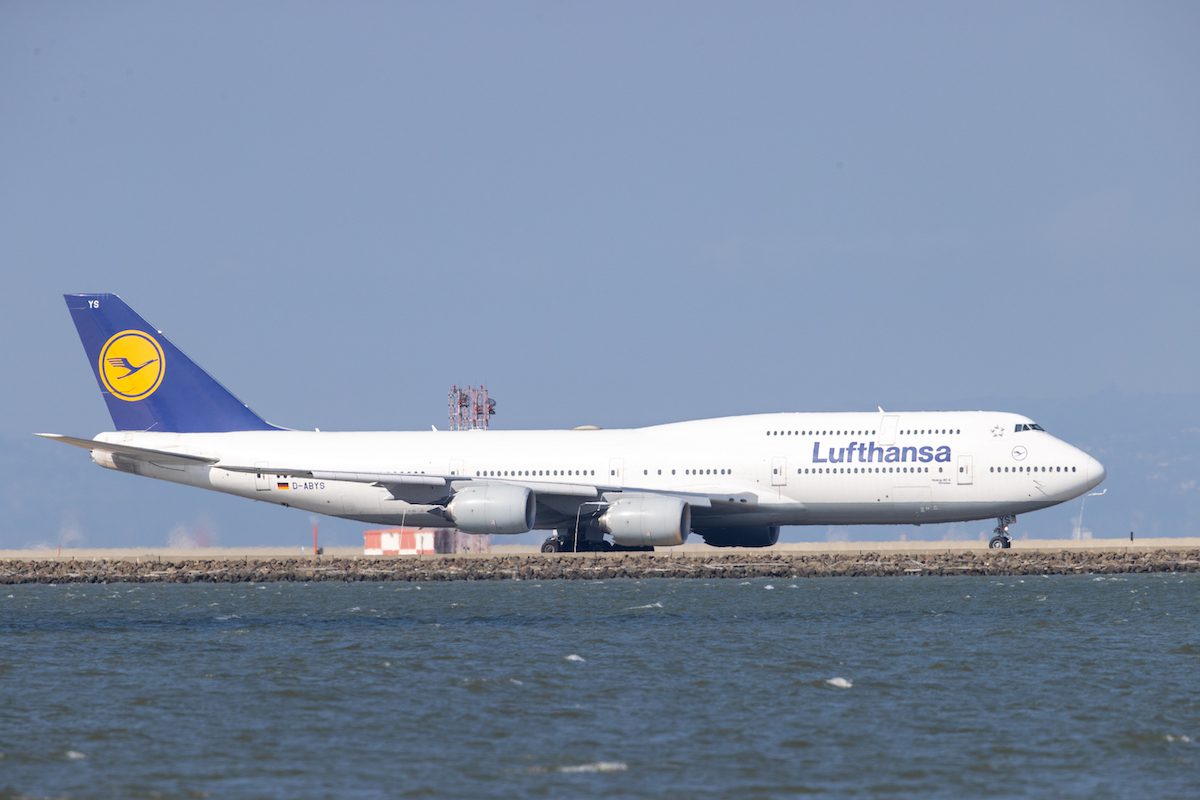
Lufthansa, the German airline, has announced its readiness to implement plans to freeze its flights if travel demand continues to decline amid the tense situation resulting from the war in the Middle East. This step is a precautionary measure to confront the growing economic challenges that may impact the aviation sector.
As one of the largest airlines in the world, Lufthansa aims to respond swiftly to market changes, with reports indicating that the ongoing conflict in the region could lead to a significant drop in passenger numbers. The company has confirmed that it is closely monitoring the situation and is prepared to take swift action if necessary.
Details of the Situation
These plans come at a sensitive time, as the aviation sector is still grappling with the repercussions of the COVID-19 pandemic, which significantly affected global travel. With rising tensions in the Middle East, fears are growing that these circumstances could lead to another decline in travel demand, forcing companies to adopt strict measures such as freezing flights.
Lufthansa has been one of the companies significantly impacted over the past few years, experiencing a drop in revenue due to travel restrictions. However, the company hopes to recover by enhancing its services and expanding its flight network, though the current situation may hinder these efforts.
Context and Background
Historically, the Middle East has witnessed numerous conflicts that have affected air travel and tourism. Wars and political disputes often lead to a decline in passenger numbers, negatively impacting airlines. In recent years, there have been attempts to improve security and boost tourism, but the current circumstances may reverse these advancements.
It is worth noting that Lufthansa is not the only airline facing these challenges. Many other airlines in the region and worldwide are taking similar steps to cope with changes in demand. These challenges are expected to persist for a long time, necessitating new strategies to adapt to the changing conditions.
Consequences and Impacts
If flight freezing plans are implemented, it could have significant repercussions on both local and international economies. Airlines heavily rely on travel activity to generate revenue, and any decline in demand could lead to job losses and reduced investments in the sector. Furthermore, this could impact tourism, which is a primary source of income for many countries.
Moreover, a decline in air travel could affect sectors related to travel, such as hotels, restaurants, and transportation services. Therefore, the current situation requires a swift and effective response from governments and companies to ensure the stability of the sector.
Impact on the Arab Region
The Middle East is one of the most affected regions by conflicts and wars, making it susceptible to significant fluctuations in travel activity. A decline in travel demand could directly impact Arab economies, which heavily rely on tourism. Additionally, Arab companies may face challenges similar to those encountered by Lufthansa, necessitating new strategies to adapt to changing conditions.
In conclusion, the current situation in the Middle East requires airlines to take proactive steps to address challenges. Lufthansa's ability to adapt to these circumstances may serve as a model for other companies in the region, as a swift and effective response could help mitigate potential damages.