Reports from the Amazon Institute for Peoples and Environment indicate that deforestation rates in the Brazilian Amazon have significantly decreased by 17% during the first quarter of 2026, with the affected area dropping from 419 square kilometers to 348 square kilometers, which is approximately the size of 7,000 football fields.
Despite this decline, deforestation rates recorded an increase of 17% in March compared to the same month last year, with the affected area rising from 167 square kilometers to 196 square kilometers. Researchers view this increase as a warning, necessitating stronger enforcement of laws related to illegal logging.
Details on Deforestation Trends
From August 2025 to March 2026, deforestation rates fell by 36%, decreasing from 2,296 square kilometers to 1,460 square kilometers, marking the lowest level recorded since 2017. This decline reflects the efforts of the Brazilian government and environmental initiatives aimed at protecting the forests.
However, challenges remain, as there is a need to enhance monitoring and impose stricter penalties on violators. There is also an urgent need to expand environmental initiatives that support the sustainable use of forests.
Background & Context
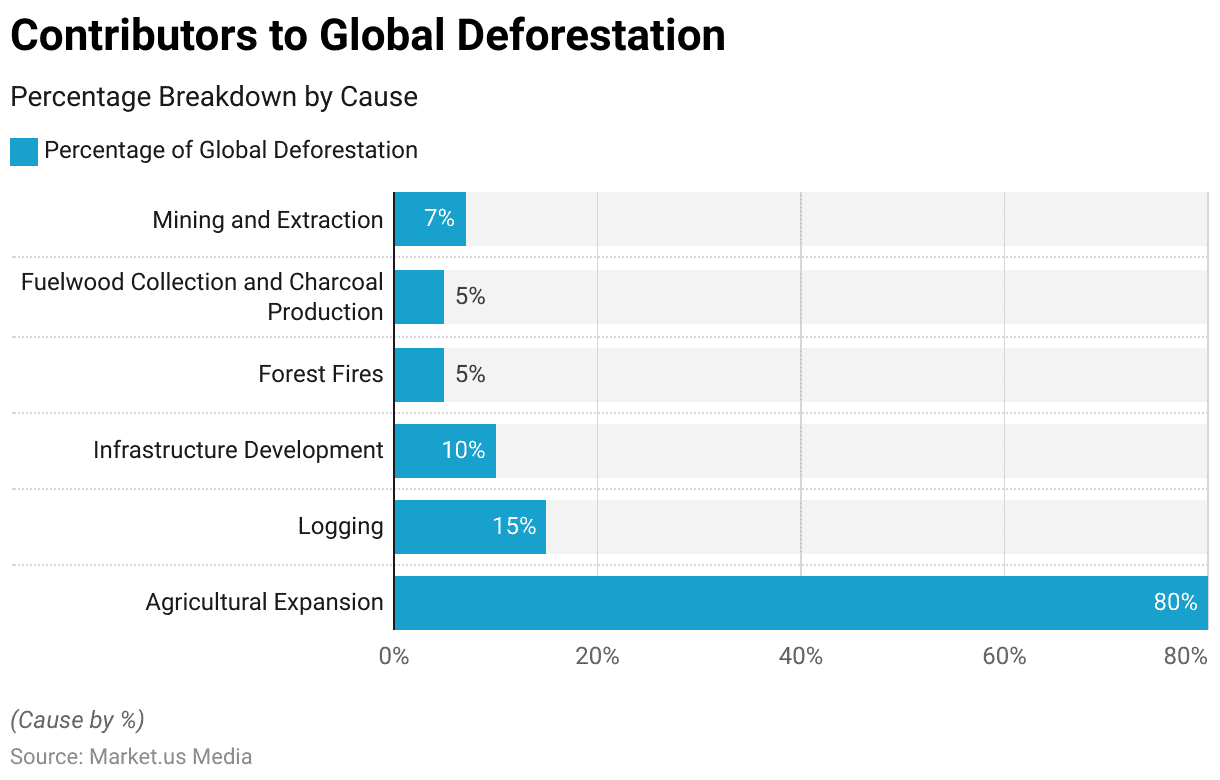
The Amazon rainforest is one of the most important ecosystems globally, playing a vital role in regulating the global climate and preserving biodiversity. Historically, these forests have experienced high rates of deforestation due to agricultural and mining activities.
In recent years, the Brazilian government has faced increasing pressure from environmental organizations and the international community to curb these activities. This pressure has led to more serious steps towards forest protection, contributing to the decline in deforestation rates.
Impact & Consequences
The decline in deforestation rates is a positive step towards addressing climate change, as deforestation contributes to increased greenhouse gas emissions and reduced biodiversity. Preserving the Amazon rainforest helps mitigate global environmental risks.
However, these efforts must be ongoing, as any rollback in environmental policies could lead to a resurgence in deforestation rates. Long-term strategies are required to ensure the sustainability of these forests.
Regional Significance
Protecting the Amazon is crucial not only for Brazil but for the entire planet, as it affects global climate patterns and biodiversity. The Amazon rainforest acts as a carbon sink, absorbing significant amounts of carbon dioxide, which is essential in combating climate change.
In conclusion, the recent decline in deforestation rates in the Brazilian Amazon represents a critical opportunity for environmental recovery and a chance to reinforce global efforts in combating climate change.