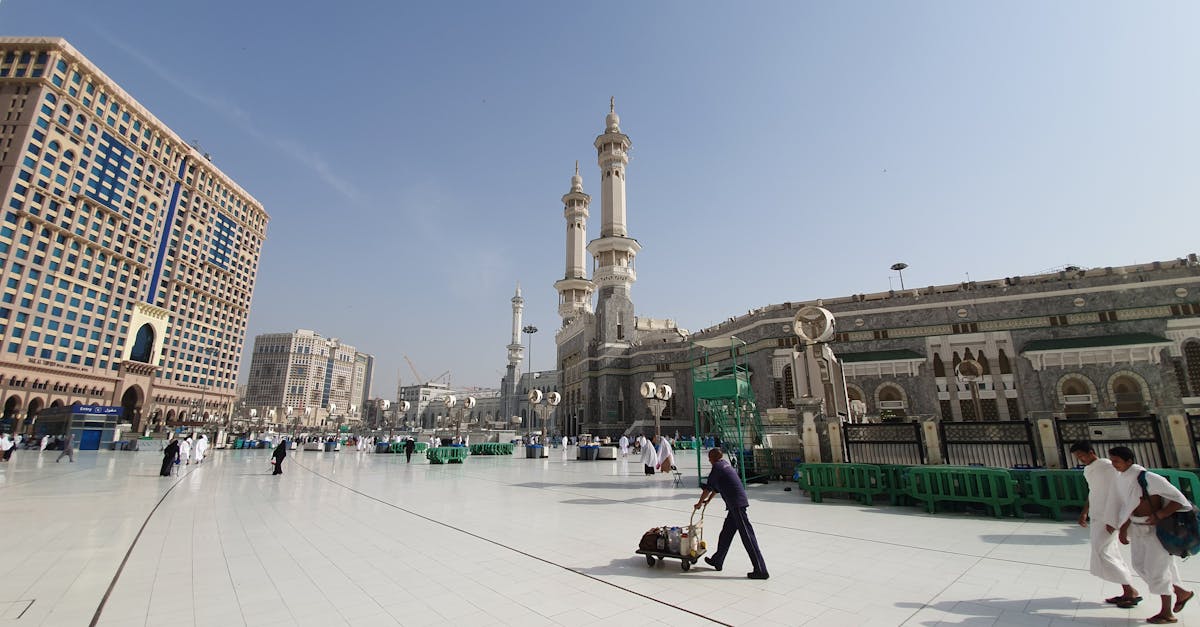
More than one million Muslims have gathered in Mecca to perform the Hajj pilgrimage, an annual event that unites Muslims from around the globe. This influx occurs amidst rising tensions in the region, where fears of renewed conflict between the United States, Israel, and Iran have raised concerns among many.
The Hajj is one of the five pillars of Islam and serves as an opportunity for Muslims to draw closer to God and renew their faith. As the number of pilgrims increases, the Kingdom of Saudi Arabia continues its efforts to provide a safe and comfortable environment for the guests of Allah, despite the surrounding security and political challenges.
Event Details
This year's pilgrimage began under cautious circumstances, with strict security measures implemented to ensure the safety of the pilgrims. Reports indicate that Saudi authorities have enhanced security protocols in Mecca and its surrounding areas, focusing on providing necessary healthcare and logistical services.
The Hajj rituals include several acts, starting from the state of Ihram and the Tawaf around the Kaaba, to the stoning of the Jamarat. Pilgrims have shown great enthusiasm in performing these rituals, reflecting the significance of Hajj in their spiritual lives.
Background & Context
Historically, Hajj is one of the oldest religious rituals, witnessing numerous changes over the ages. In recent years, the number of pilgrims has significantly increased, leading to improvements in the infrastructure and services offered in Mecca.
However, the political tensions in the region cast a shadow over this religious event. Ongoing disputes among major powers in the Middle East, such as the United States and Iran, raise concerns among pilgrims and affect the overall atmosphere in the region.
Impact & Consequences
The influx of pilgrims this year reflects the strength of faith among Muslims, demonstrating that Hajj remains a symbol of unity and solidarity among them. Nevertheless, political tensions may impact the pilgrimage experience, as Saudi authorities must effectively address security challenges.
The economic implications of this event are also significant, as Hajj contributes to boosting the local economy through increased tourism and job creation. However, any escalation in tensions could negatively affect these benefits.
Regional Significance
The Hajj represents an opportunity to strengthen bonds among Muslims worldwide, highlighting the importance of unity in facing challenges. Under current circumstances, Hajj also serves as a chance to emphasize peace and tolerance among peoples.
In conclusion, Hajj remains a vital event in the lives of Muslims, bringing them together in one place to perform their religious rites. As tensions in the region continue, there is hope that Hajj will contribute to fostering peace and unity among Muslims.