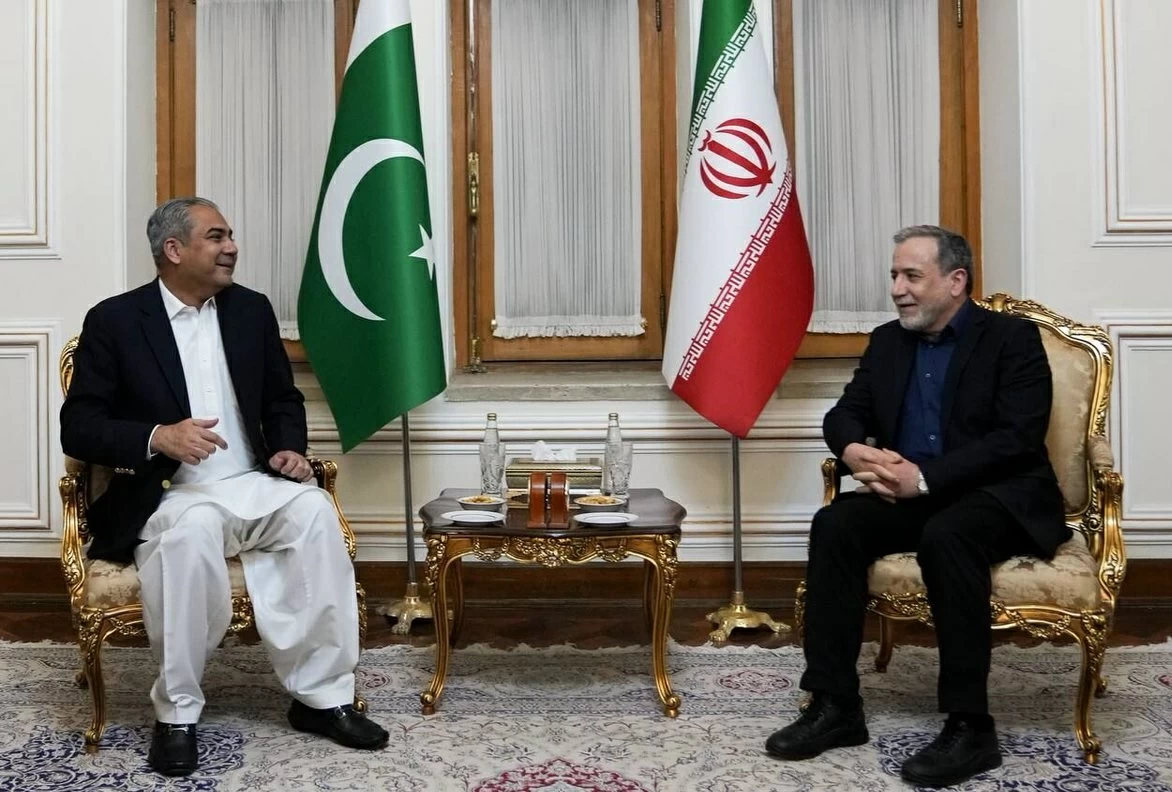
Pakistani Interior Minister Mohsin Naqvi has returned to Tehran today, meeting with Iranian officials for the second time in less than a week as part of ongoing diplomatic efforts. This visit follows his departure from the Iranian capital last Monday evening after a three-day visit.
During his previous visit, Naqvi met with Iranian President Masoud Bezhakian and Foreign Minister Abbas Araghchi, where several important issues were discussed, including the American proposals presented by Naqvi, along with a proposal from the Iranian side. Although details of the current visit have not been disclosed, it reflects the ongoing communication between Pakistan and Iran amid changing regional circumstances.
Details of the Event
Iranian media, including the IRNA news agency, reported that Naqvi's visit to Tehran again indicates the importance of bilateral relations between the two countries. The visit comes at a sensitive time as tensions in the region escalate, particularly following warnings from the Iranian Revolutionary Guard about the potential for repeated attacks on the country.
In this context, Iranian Foreign Ministry spokesman Ismail Baghaei confirmed that the Iranian armed forces are prepared for any potential scenario, reflecting Tehran's military readiness in the face of threats. He also indicated that Iran is determined to present new surprises if circumstances require it.
Background & Context
These movements are part of Pakistan's ongoing diplomatic efforts in the region, where it seeks to mediate between major powers such as the United States and Iran. In recent days, U.S. President Donald Trump stated that he aims to end the war with Iran as soon as possible, emphasizing that Tehran should not be allowed to possess nuclear weapons.
Trump also announced the postponement of a military operation that was scheduled at the request of Saudi Arabia, Qatar, and the UAE, reflecting regional and international pressures on the United States in dealing with the Iranian file. Since the ceasefire came into effect on April 8, Pakistan has been striving to reach an agreement between Washington and Tehran, but positions remain far apart.
Impact & Consequences
This visit is an indicator of the importance of relations between Pakistan and Iran amid regional tensions. Warnings from the Iranian Revolutionary Guard suggest that the situation could escalate if issues are not addressed diplomatically. Additionally, Iranian military preparations may impact regional stability.
If negotiations between Pakistan and Iran continue, they could help alleviate tensions in the region; however, any escalation could lead to serious repercussions for regional and international security.
Regional Significance
These events directly affect Arab countries, as any escalation in relations between Iran and the United States could reflect on security in the Arab Gulf. Arab countries, especially those in the Gulf, are closely monitoring these developments, as any escalation could lead to increased tensions in the region.
Ultimately, the relations between Pakistan and Iran remain pivotal in the context of regional events, as they could play a role in either calming or exacerbating the situation. The current situation requires effective diplomacy to ensure regional stability.