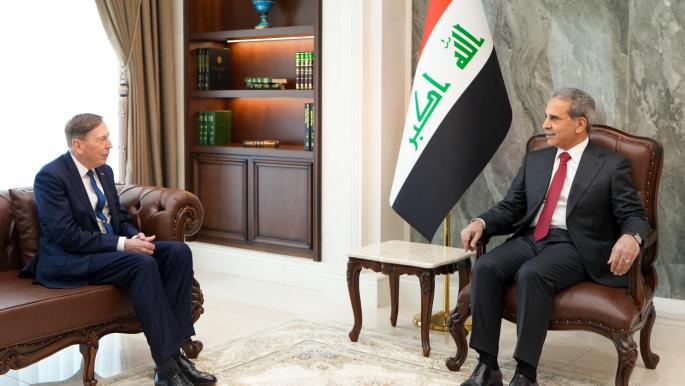
A spokesperson for the U.S. State Department, in a statement to "Al-Arabi Al-Jadid," confirmed that David Petraeus, who previously served as the commander of U.S. forces in Iraq, is a "private citizen and holds no official capacity in the U.S. mission in Iraq." This statement comes at a time when diplomatic and military activities in the region are increasing, raising many questions about the motives behind the visit.
Petraeus's visit occurs amid tense conditions in Iraq, where the country faces multiple security and political challenges. This visit has garnered significant attention in political and media circles, especially given the absence of any official title, prompting inquiries into whether the visit pertains to strategic or security matters.
Details of the Visit
David Petraeus, known for his prominent role in leading U.S. forces during the height of the conflict in Iraq, remains an influential figure in military and political circles. However, the lack of an official capacity during this visit may suggest that the meetings he is conducting could be informal, opening the door to various interpretations regarding their objectives.
In recent years, Iraq has undergone significant changes in its political landscape, with the rise of armed factions and their influence on the government. Additionally, the relationship between Iraq and the United States has experienced fluctuations, making any visit by a figure like Petraeus a matter of considerable interest.
Background & Context
Petraeus is one of the most notable military leaders in modern American history, having commanded forces in Iraq during a critical period. After leaving military service, he held several positions in the private and academic sectors, making him a pivotal figure in discussions about American policy in the Middle East.
Historically, the United States has played a significant role in Iraq since the invasion in 2003, witnessing periods of stability and instability thereafter. The American presence in Iraq remains a contentious issue, with many Iraqis calling for the withdrawal of foreign troops.
Impact & Consequences
Even though Petraeus's visit is unofficial, it may influence the relations between Iraq and the United States. This visit could pave the way for discussions on security cooperation, especially in light of the threats the country faces from extremist organizations.
Moreover, this visit may reflect an American desire to reassess its strategies in the region, particularly with the increasing Iranian influence in Iraq. It is crucial to monitor local and international reactions to this visit, as they may impact future policies.
Regional Significance
Petraeus's visit could have broader implications for the Arab region as a whole. Given the multiple crises affecting countries like Syria and Lebanon, any American movements in Iraq may influence regional balances.
Furthermore, the increasing American activities in Iraq may raise concerns among neighboring countries, particularly Iran, which views Iraq as part of its sphere of influence. Therefore, this visit could serve as a starting point for further tensions in the region.
In conclusion, David Petraeus's visit to Iraq remains shrouded in many questions, especially given his lack of official capacity. Nonetheless, it underscores the importance of Iraq in American strategy and highlights the challenges the country faces under current circumstances.