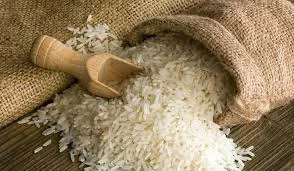
In a move aimed at addressing the escalating prices of rice, a government council in the Philippines has announced the imposition of a price cap of 50 pesos ($0.83) per kilogram on imported rice. This decision comes amid the challenging economic conditions faced by the country, exacerbated by global crises such as the war in Ukraine.
According to a statement from the Philippine Department of Agriculture, this measure is deemed a necessary intervention to curb unjustified increases in rice prices, which is a staple food item in the country. Rice accounts for about one-tenth of the consumption basket in the Philippines, making it a vital component of daily life for citizens.
Details of the Price Cap Implementation
The decision targets imported rice containing 5% broken grains and is set to be implemented for a duration of 30 days. This action follows the department's observation of significant price hikes, which have negatively impacted the purchasing power of citizens. This decision reflects the Philippine government's efforts to control inflation and ensure market stability.
It is noteworthy that the proposed price cap still requires approval from President Ferdinand Marcos Jr., who is expected to endorse it given the current economic circumstances. This decision is part of a broader strategy aimed at protecting consumers from exploitation.
Economic Context and Background
The Philippines is facing significant economic challenges, with food prices rising sharply in recent months, exacerbating the living conditions for many families. Part of this increase is attributed to global crises, including armed conflicts and rising fuel prices. Additionally, the Philippines heavily relies on rice imports, making it vulnerable to fluctuations in the global market.
Historically, the Philippines has struggled with food security issues, and many previous governments have attempted to control rice prices. However, the current economic challenges may complicate efforts to achieve lasting price stability.
Potential Impact and Consequences
Imposing a price cap on rice may alleviate pressure on Filipino households, but it may also face challenges in implementation. This measure could lead to increased demand for imported rice, potentially affecting the local market. There are also concerns that traders might resort to illegal methods to circumvent this cap, necessitating close monitoring by the government.
At the same time, this decision may help build trust between the government and citizens, as it demonstrates the government's commitment to protecting consumers from trader exploitation. However, the success of this measure depends on the government's ability to enforce it effectively and monitor the market.
Implications for the Arab Region
The Philippines is one of the countries that rely on food imports, making it an example of the challenges faced by developing nations amid global crises. The Philippines' experience in imposing a price cap on rice could serve as a lesson for Arab countries facing similar challenges with food prices.
Arab nations are also affected by fluctuations in global food prices, and there may be a need for similar strategies to ensure price stability and protect consumers. Cooperation among Arab countries in the field of food security may be essential to address these challenges.
In conclusion, the Philippines' decision to impose a price cap on rice represents an important step in attempting to control rising prices. However, the success of this decision relies on the government's ability to monitor the market and ensure that traders do not exploit the situation.