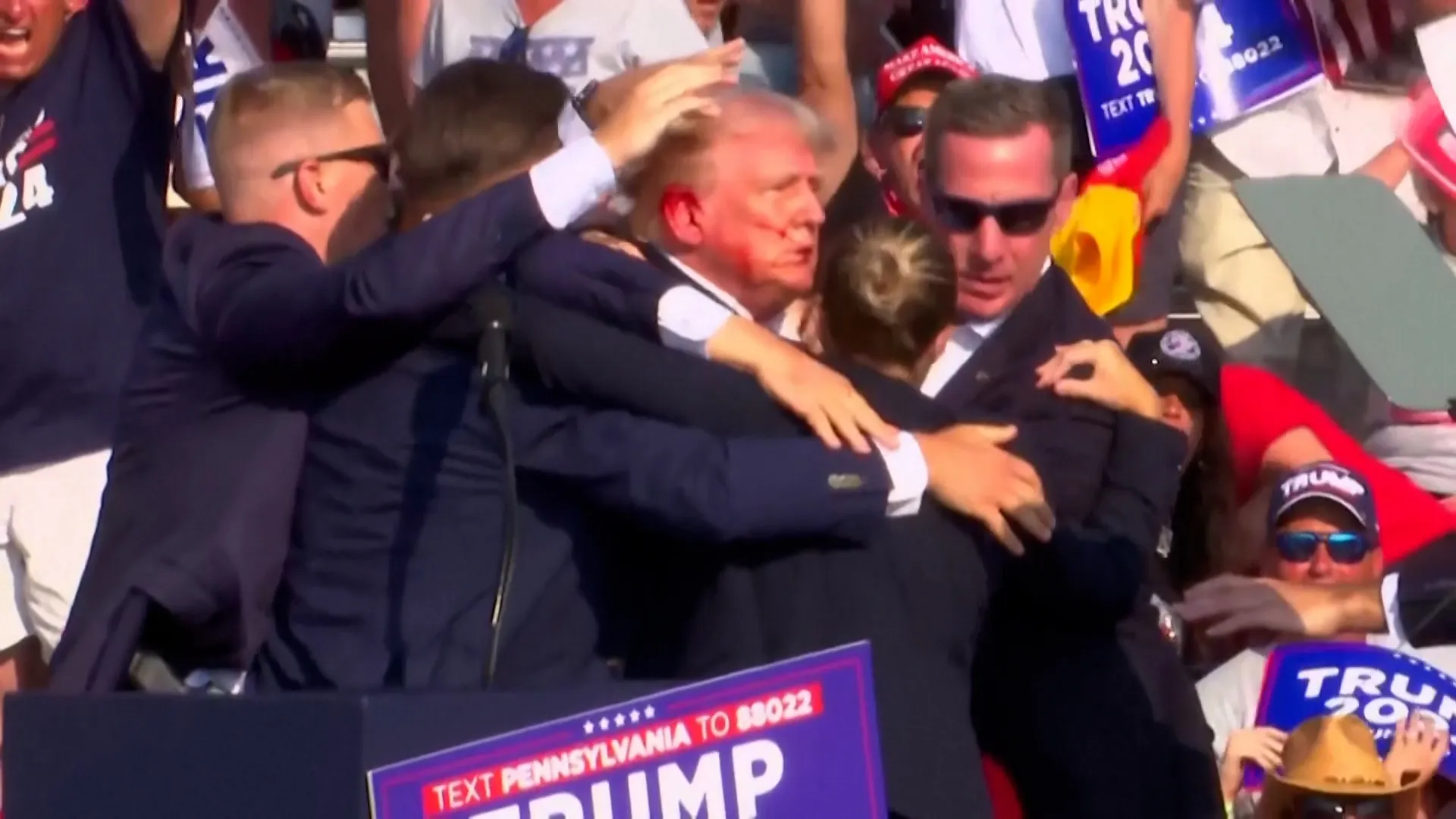
The history of the United States is marked by political assassinations that have left profound impacts on American society. From the assassination of President Abraham Lincoln in 1865 to the assassination attempts on former President Donald Trump, this phenomenon is a significant part of the country’s complex history.
The assassination of Lincoln is one of the most notable incidents, as he was killed by John Wilkes Booth, leading to a tremendous shock across the nation. Following Lincoln, three other presidents were assassinated, while four others survived assassination attempts.
Details of the Assassinations
The list of presidents who were assassinated includes Lincoln, James Garfield, William McKinley, and John F. Kennedy. Meanwhile, Ronald Reagan, Theodore Roosevelt, Harry Truman, and Barack Obama survived assassination attempts. These incidents reflect the political and social tensions that were prevalent during those times.
Political assassinations are not merely isolated events; they signify deep crises within American society. Those periods were filled with political conflicts, prompting some individuals to resort to violence as a means of expressing their opposition.
Background & Context
The history of political assassinations in the United States dates back to the 19th century, a time when the country was experiencing political and social upheaval. During those times, partisan and ethnic divisions played a significant role in shaping events.
For instance, Lincoln's assassination occurred at a time when the nation was suffering from the aftermath of the Civil War. In contrast, Kennedy's assassination took place during a period of heightened tensions during the Cold War. These backgrounds provide a deeper context for understanding the motives behind these assassinations.
Impact & Consequences
American politics has been significantly affected by these assassinations. They led to changes in security policies and increased awareness regarding the importance of protecting public figures. Additionally, they influenced public opinion, as these incidents stirred feelings of fear and anxiety among citizens.
Moreover, political assassinations contributed to shaping a particular image of violence in American politics, leading to discussions about the boundaries of political expression and the right to dissent.
Regional Significance
This phenomenon holds particular importance for the Arab region, where some conditions are similar. Political violence and assassinations are not foreign to many Arab countries, where similar incidents have occurred.
Highlighting these phenomena in the United States can aid in understanding the political dynamics in the Arab world and how political crises can impact the stability of nations.
In conclusion, political assassinations remain a part of American history, reflecting the conflicts and tensions the country has experienced. It is crucial to study these phenomena to understand their impact on politics and society.