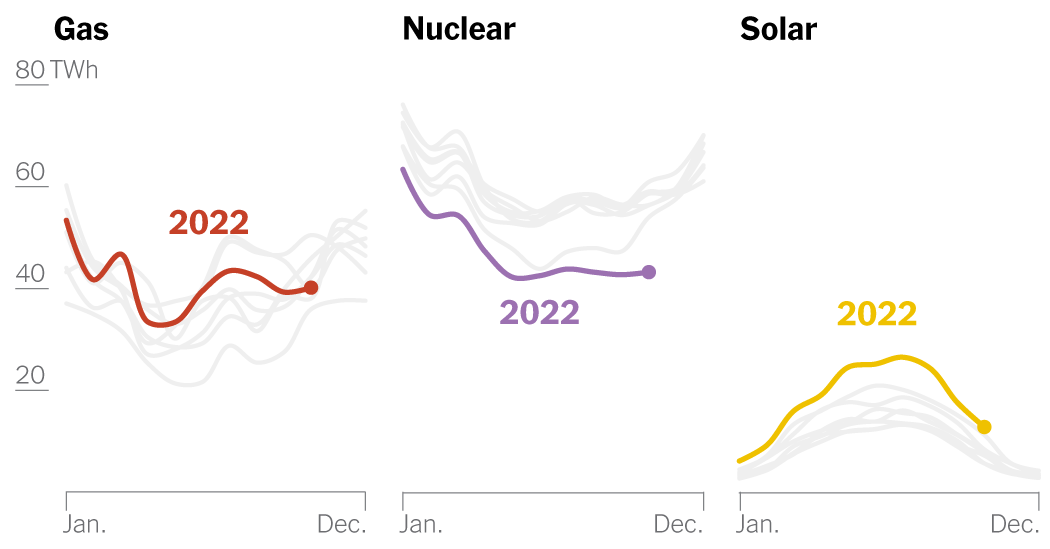
The European Energy Commissioner has announced that Europe needs to prepare for a potential long-term energy shock. These statements come in light of the increasing challenges the continent faces in securing energy supplies, especially following geopolitical crises that have impacted global markets.
In an interview with the Financial Times, the Commissioner emphasized that the current situation requires member states to take urgent action to ensure the sustainability of energy supplies. He also pointed out that climate change and economic crises could exacerbate the situation, necessitating new strategies to adapt to changing conditions.
Details of the Situation
The Commissioner's remarks come at a sensitive time, as many European countries are experiencing rising energy prices due to political disputes and geopolitical tensions. These crises have led to an increased reliance on alternative energy sources, but there remains an urgent need to ensure supply stability.
The Commissioner noted that there is an urgent need to enhance cooperation among EU member states to develop effective strategies to address future challenges. These issues are expected to be discussed in upcoming EU meetings, where European leaders aim to establish long-term plans to ensure energy sustainability.
Background & Context
Historically, Europe has faced numerous energy-related crises, from the oil crisis in the 1970s to the current challenges. These crises have led to radical changes in European energy policies, with countries beginning to search for alternative sources and new technologies to reduce dependence on fossil fuels.
In recent years, pressures have increased on European countries to adopt more sustainable energy policies. With growing awareness of climate change, the need to transition to renewable energy sources has become more urgent. However, challenges remain, especially amid geopolitical crises that affect energy supplies.
Impact & Consequences
These statements serve as a warning to European countries that tough times may lie ahead. Rising energy prices could significantly impact the European economy, potentially leading to increased inflation and a slowdown in economic growth.
Moreover, failure to prepare for these challenges could exacerbate social and political crises within European countries. Therefore, cooperation among member states has become an urgent necessity to ensure energy stability and achieve environmental goals.
Regional Significance
For the Arab region, the situation in Europe could directly affect global energy markets. Many Arab countries rely on exporting oil and gas to Europe, and any changes in European demand could impact the economies of these nations.
Furthermore, Europe's shift towards renewable energy could open new avenues for Arab countries in the clean energy sector, prompting these nations to consider new strategies to enhance their capabilities in this area.