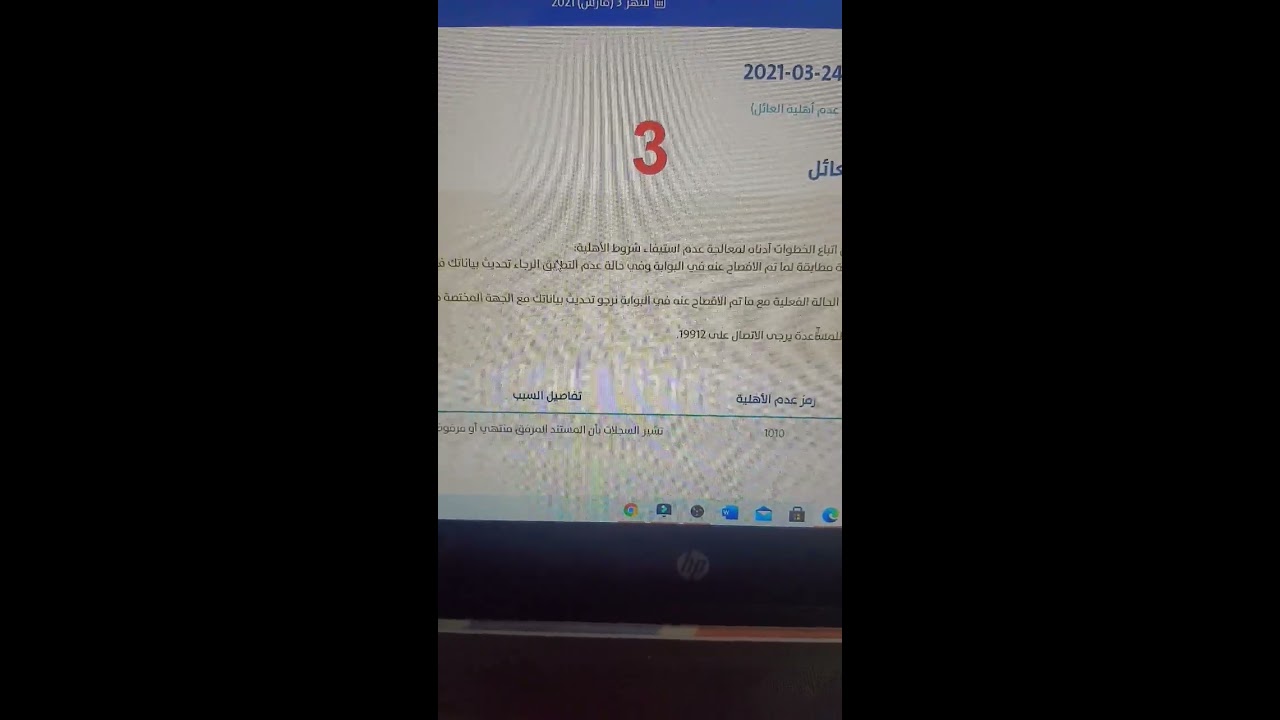
The Ministry of Human Resources and Social Development in the Kingdom of Saudi Arabia has announced that incarcerated individuals are not eligible to benefit from the Citizen Account program during their time in prison. This announcement is part of the government's efforts to ensure that support reaches the most needy groups, as the program aims to improve the living standards of citizens.
The Citizen Account program is considered one of the important government initiatives aimed at providing financial support to low- and middle-income families. The program was launched in 2017 as part of Saudi Vision 2030, which seeks to enhance financial sustainability and improve the quality of life for citizens.
Details of the Announcement
In an official statement, the ministry confirmed that prisoners are not entitled to benefit from the program during their incarceration due to their inability to meet the eligibility criteria. This includes the inability to work or earn income while imprisoned, rendering them ineligible for the financial support provided by the program.
It is noteworthy that the program aims to provide support to families facing economic difficulties, including direct financial assistance, as well as support in education and health sectors.
Background & Context
This step comes as part of the Saudi government's efforts to enhance transparency in the distribution of financial support. The Citizen Account program was designed to be an effective tool to help families cope with economic challenges, especially in light of the economic changes the Kingdom has experienced in recent years.
It is important to note that the government has taken several steps to improve the social support system, including updating eligibility criteria and expanding the scope of beneficiaries. However, the decision to exclude prisoners reflects the challenges the government faces in balancing the provision of support while ensuring its proper use.
Impact & Consequences
This decision may affect many families who may have a member incarcerated, increasing the financial pressures on the affected families. At the same time, this decision reflects the government's commitment to ensuring that financial support goes to those who truly need it.
Although this decision may seem harsh to some, it reflects the need to establish clear eligibility criteria to ensure the sustainability and effectiveness of the program. It is crucial to raise awareness among affected families about the options available to them under these circumstances.
Regional Significance
Saudi Arabia's experience in managing social support programs serves as a model that other countries in the region can benefit from. Many Arab countries face similar economic challenges, and it may be beneficial to exchange experiences on how to improve social support systems.
In light of increasing economic crises, it becomes essential for Arab countries to adopt effective strategies to ensure that support reaches the most needy groups, considering the social and economic challenges they face.
In conclusion, the decision by the Ministry of Human Resources and Social Development in Saudi Arabia reflects the government's commitment to improving the social support system, focusing on achieving fairness in resource distribution. However, the challenge remains in how to support families affected by this decision.