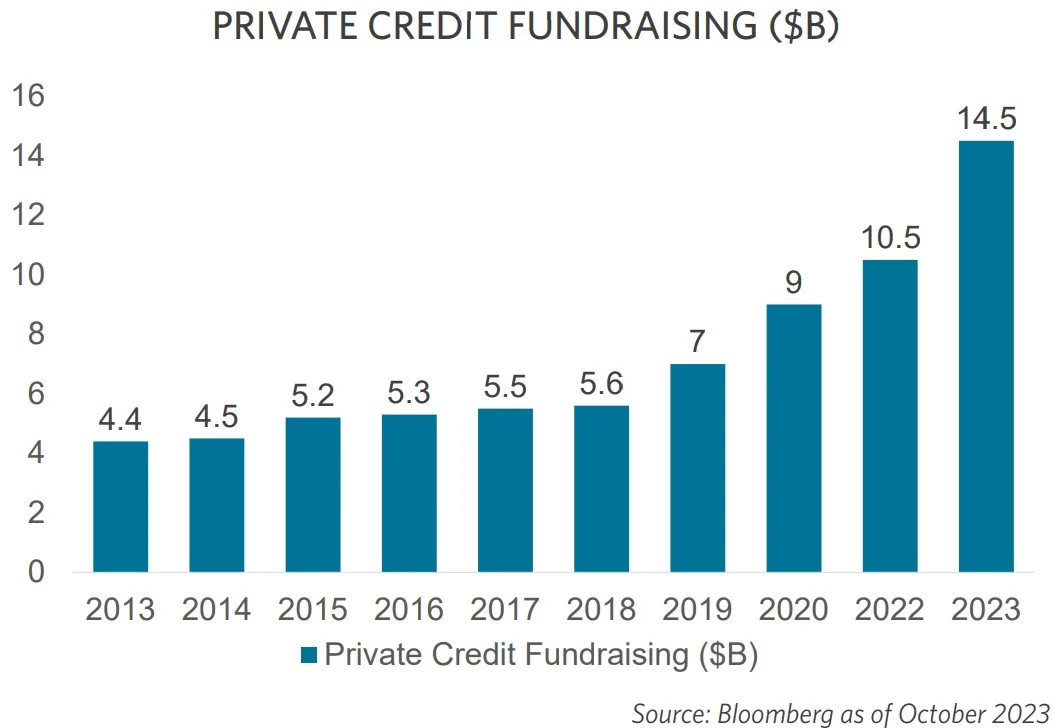
Private credit funds are experiencing severe pressure due to large withdrawals, with reports indicating that February's losses may be the worst in over three years. This comes at a sensitive time as investors face multiple challenges amid financial market volatility.
Data shows that private credit funds, once considered a safe haven for investors, have been significantly affected by global economic conditions. The increasing withdrawals from these funds have exacerbated the situation, leading to unprecedented challenges.
Details of the Event
In February, private credit funds recorded notable losses, with estimates suggesting that these losses could exceed those recorded in the past three years. This decline is attributed to several factors, including rising interest rates and increasing inflationary pressures, which have impacted these funds' ability to deliver satisfactory returns to investors.
Moreover, global geopolitical and economic tensions, including trade disputes and fluctuations in commodity prices, have contributed to the mounting pressures on these funds. As fears of an economic recession grow, investor anxiety regarding their investments in these funds is also increasing.
Background & Context
Private credit funds were established as a means to attract investors seeking higher returns compared to traditional investments. However, these funds are facing significant challenges under current economic conditions. In recent years, there has been an increase in withdrawals from these funds, reflecting a growing lack of confidence among investors.
Historically, private credit funds have been considered an attractive option for investors, offering relatively high returns. However, with the increasing economic challenges, these funds have begun to struggle in maintaining their appeal.
Impact & Consequences
The repercussions of these losses extend beyond just the investors; they also affect financial markets as a whole. Such losses could lead to a decline in market confidence, potentially resulting in further price volatility. Additionally, the increase in withdrawals may put pressure on market liquidity, heightening financial risks.
Furthermore, these losses could impact private credit funds' ability to provide financing to companies, which could lead to a general decline in economic activity. This is a significant concern, especially in light of the current economic conditions.
Regional Significance
In the Arab region, these developments may affect both foreign and local investments. A decline in confidence in private credit funds could lead to reduced investments in developmental projects, impacting economic growth in many Arab countries.
Moreover, increasing economic pressures may reflect on Arab countries' ability to attract foreign investments, further exacerbating the economic challenges they face.
In conclusion, the losses incurred by private credit funds in February serve as a warning sign for investors and financial markets. As economic pressures continue, it remains essential to monitor the developments of these funds and their impact on both the global and local economies.