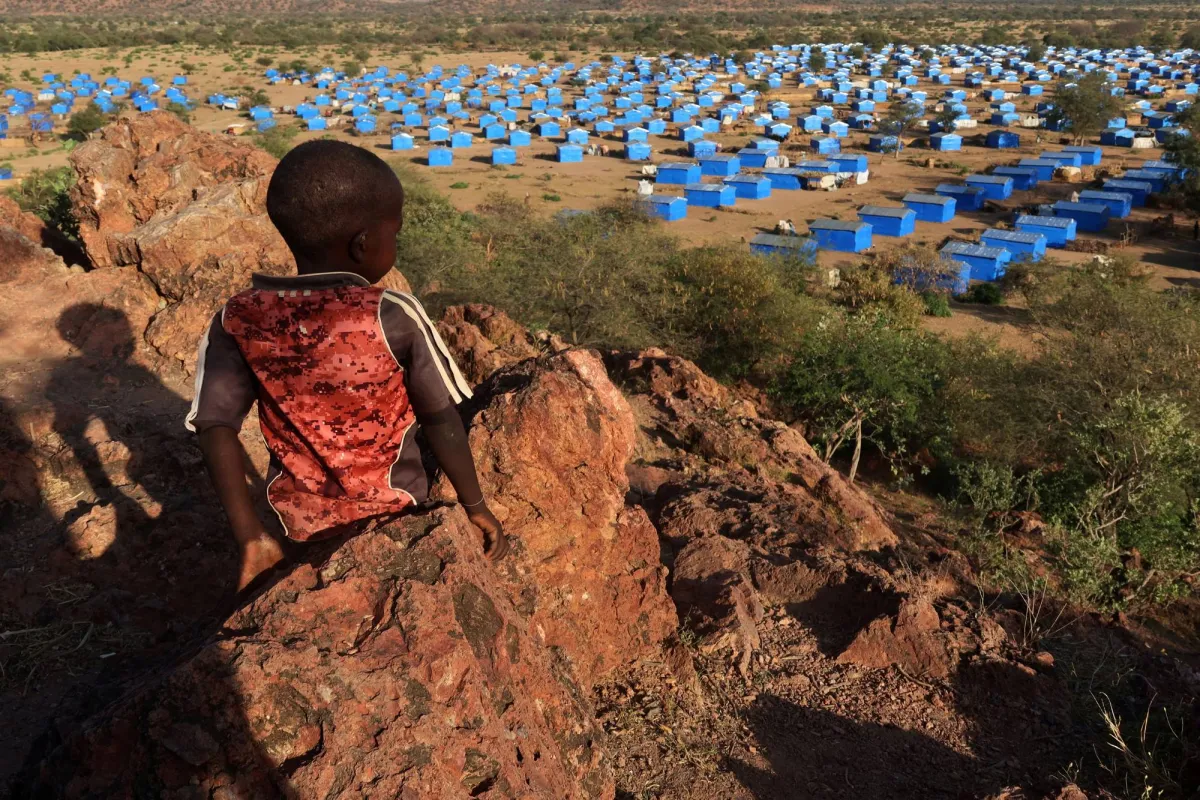
International and regional attention is focused on Sudan as pressures increase to end the ongoing war that has persisted for more than three years. The worsening humanitarian crises may push the parties towards a political settlement.
After more than three years of conflict, Sudan faces a pivotal moment politically and humanitarianly. As fighting continues between the army and the Rapid Support Forces, the challenges facing the country are mounting, with the cost of war exceeding everyone's capacity to bear.
Details of the Situation
With rising international pressures and regional movements, questions about the possibility of reaching a political settlement are becoming more frequent. Sudan's history of prolonged conflicts does not bode well, as civil wars have persisted for decades. However, the current situation may be different, as neither party has achieved a decisive victory, leading to a worsening humanitarian crisis.
International powers are striving to end the conflict, with the recent Berlin Conference seen as a turning point, where participating countries agreed that a military solution is not feasible. The United States and the European Union are pressing for a ceasefire, reflecting a growing conviction that the continuation of war could lead to the collapse of the Sudanese state.
Background & Context
Since the outbreak of hostilities in April 2023, both sides have bet on a swift military resolution. However, as the war enters its fourth year, the limitations of this bet are becoming apparent. The battles that have spread from Khartoum to Port Sudan and Darfur have not resulted in a decisive victory but have led to one of the worst humanitarian crises in the world.
Concerns are growing about the spread of chaos in the Horn of Africa, prompting Western and regional capitals to intensify their efforts to reach a political settlement. Statements from the U.S. President's advisor indicate a global consensus on the necessity of negotiation and a ceasefire.
Impact & Consequences
Humanitarian pressures are increasing, with the United Nations warning that Sudan is facing one of the largest hunger crises in the world. Approximately 20 million Sudanese are suffering from food insecurity, heightening the urgent need to end the conflict.
Voices calling for an end to the war are rising within Sudan, despite divisions over the form of a possible settlement. Some analysts believe that declining public support for the war may push the parties to accept a political settlement, but the path remains fraught with complications.
Regional Significance
The situation in Sudan directly impacts the security of the Red Sea and the stability of neighboring countries. The continuation of the war threatens not only Sudan but also affects international trade routes and regional security. Therefore, reaching a political settlement is a regional necessity.
In conclusion, questions remain open regarding the possibility of achieving a political settlement in Sudan. Has the war reached a stage of exhaustion that precedes settlements, or is the country still at the beginning of a long conflict whose end remains undefined?