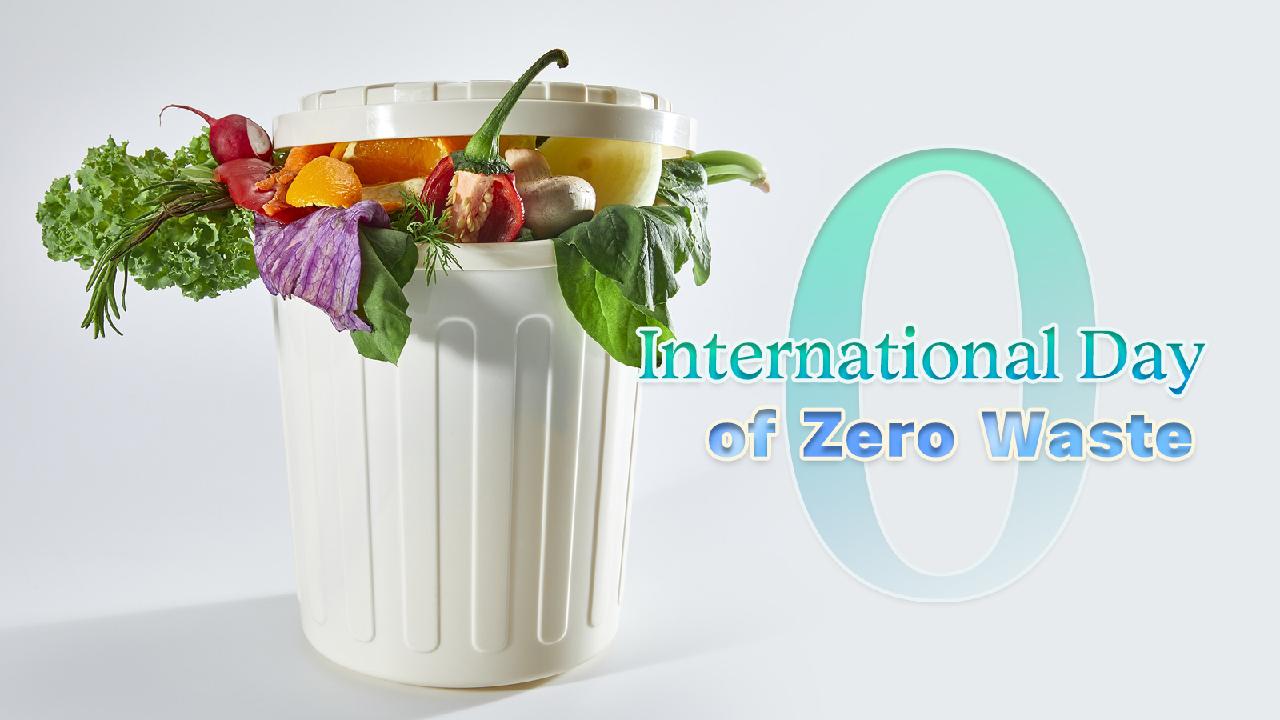
Many countries around the world are striving to reduce food waste as part of their efforts to achieve a waste-free future. These initiatives come at a time when concerns about food security and climate change are increasing, as food waste is considered one of the biggest challenges facing modern societies.
Statistics show that about one-third of food produced globally is wasted, resulting in the loss of vast resources such as water, energy, and agricultural inputs. In this context, many governments and non-governmental organizations have begun taking effective steps to mitigate this phenomenon through awareness campaigns and the implementation of new policies.
Details of the Initiatives
The efforts to reduce food waste include several initiatives, such as improving supply chains, developing new food preservation technologies, and promoting a culture of sustainable consumption. For instance, some countries have implemented educational programs aimed at increasing awareness about how to properly store food and use it before its expiration date.
Moreover, some private companies are part of the solution by developing technological applications that help consumers track expiration dates and offer alternative options for food that might go to waste. These efforts demonstrate how technology can play a vital role in addressing food waste issues.
Background & Context
Historically, food waste has been an important topic in many cultures, where communities relied on traditional agriculture and valued resources. However, with technological advancements and increased agricultural productivity, people began to lose awareness of the value of food, leading to increased waste. In recent years, food waste has become a global issue requiring a coordinated response from all countries.
The recent climate summit held in several countries provided an opportunity to discuss this issue, highlighting the importance of reducing food waste as part of global efforts to combat climate change. Many leaders pointed out that addressing food waste can contribute to achieving sustainable development goals.
Impact & Consequences
The phenomenon of food waste significantly impacts the economy and the environment. In addition to resource loss, food waste leads to greenhouse gas emissions that contribute to climate change. Therefore, reducing food waste can have a positive impact on the environment, helping to decrease carbon emissions.
From an economic perspective, reducing food waste can lead to substantial cost savings for consumers and businesses. Additionally, improving supply chain efficiency can contribute to enhancing food security, ensuring food availability for everyone.
Regional Significance
In the Arab region, food waste is an urgent issue, with estimates indicating that Arab countries waste about 250 kilograms of food per person annually. This waste occurs at a time when many countries are suffering from food resource shortages, making it essential to take effective action to curb this phenomenon.
Some Arab countries are seeking to implement new strategies to reduce food waste, including promoting sustainable agriculture and developing consumer awareness programs. These efforts could contribute to improving food security and enhancing environmental sustainability in the region.
In conclusion, reducing food waste is a vital step towards achieving a waste-free future. Through cooperation among governments, businesses, and communities, we can all contribute to creating a more sustainable world.