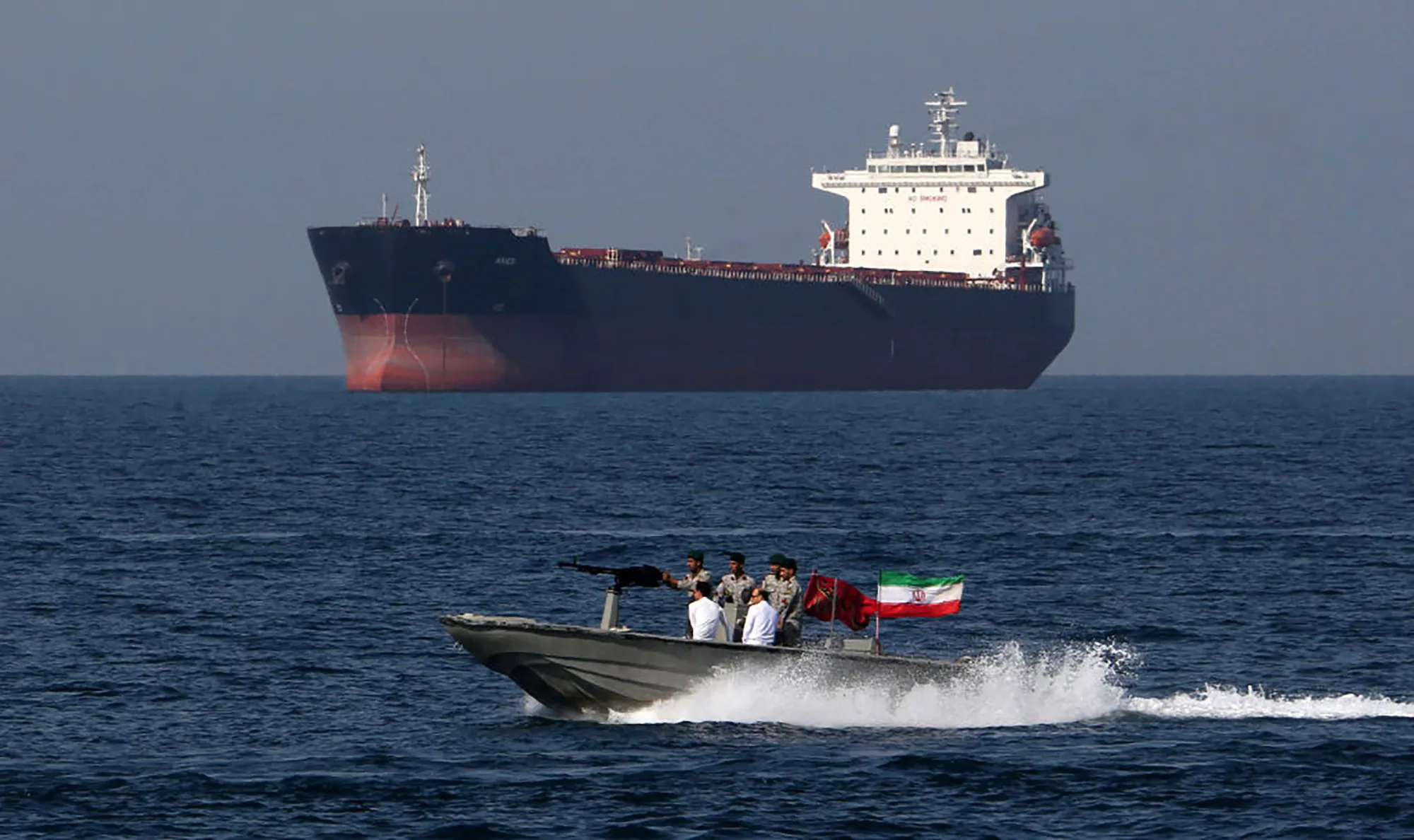
The Hormuz crisis has led to a reorganization of global economic layers, impacting oil flows and energy prices. This situation reflects geopolitical tensions and their effects on the world economy.
The Strait of Hormuz, through which approximately 20% of the world's total oil passes, is a vital strategic point. As tensions in the region escalate, global markets have experienced significant fluctuations in oil prices, affecting both major and minor economies alike.
Event Details
Recently, the region has witnessed an escalation of tensions between major powers, leading to threats of closing the Strait of Hormuz. These threats have not only affected oil prices but also the stability of global financial markets. Reports have shown that oil prices have risen by as much as 15% during certain periods due to these tensions.
Moreover, oil-producing countries have begun to reassess their economic strategies, seeking to reduce dependence on oil exports by diversifying their income sources. This shift could lead to radical changes in how economies in the region are managed.
Background & Context
Historically, the Strait of Hormuz has played a pivotal role in the global economy, having witnessed numerous political and military crises. For decades, the region has been the stage for multiple conflicts, making it a launchpad for various international interventions. With the increasing demand for energy, the importance of this strait has become greater than ever.
In recent years, tensions between Iran and the United States have increased, raising concerns about the security of navigation in the strait. These conditions have prompted many countries to consider energy alternatives, which could affect future oil demand.
Impact & Consequences
The Hormuz crisis impacts the global economy in multiple ways. First, rising oil prices can lead to increased production costs in various industries, which may reflect on the prices of goods and services. Second, countries that heavily rely on oil will face significant economic challenges if this crisis continues.
Furthermore, these crises could lead to changes in the economic policies of countries, as governments seek to enhance their economic stability through new investments in renewable energy and technology. This shift could open new avenues for economic growth in the future.
Regional Significance
Arab oil-producing countries are the most affected by the Hormuz crisis. While rising oil prices may benefit some of these countries, they simultaneously increase pressure on those with weaker economies. Additionally, political tensions may impact foreign investments in the region.
Ultimately, the Hormuz crisis remains an indicator of the challenges facing the global economy, requiring a swift and effective response from the concerned countries. Understanding these dynamics can help mitigate their negative impacts on the global economy.