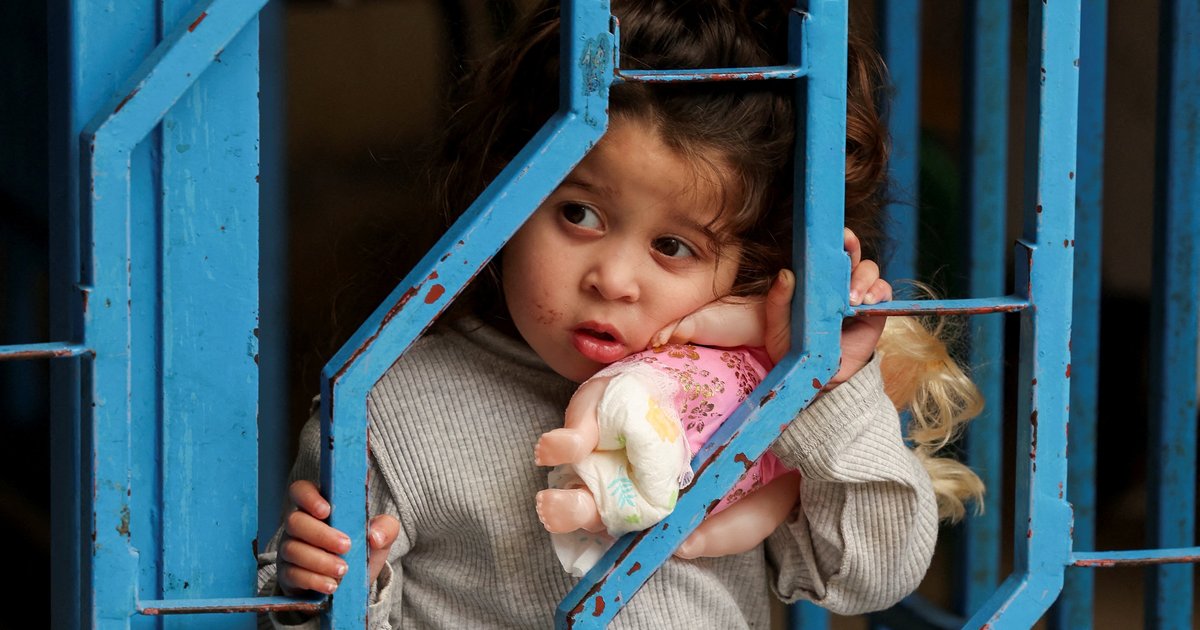
The Lebanese Ministry of Health has reported an increase in the death toll to 3000 following Israeli attacks, as clashes between Hezbollah and the Israeli army continue. The ongoing violence has raised concerns about the stability of the region.
Hezbollah has claimed responsibility for an airstrike against Israeli soldiers in the town of Rashaya in southern Lebanon, stating that the strike was a response to Israeli attacks on villages in the south. This escalation highlights the ongoing conflict and the potential for further violence.
Details of the Incident
A source within Hezbollah indicated that the airstrike was a direct response to the Israeli assaults on southern Lebanese villages. The source emphasized that Hezbollah will continue to retaliate against Israeli attacks, asserting their commitment to defending Lebanon.
The source further stated that Hezbollah views Israeli actions as violations of Lebanon's sovereignty and that they will not hesitate to respond to such provocations. This ongoing cycle of violence raises questions about the future of peace in the region.
Background & Context
An Israeli Foreign Ministry source noted that Hezbollah's attacks on Israel constitute a violation of the ceasefire agreement between Israel and Lebanon. This perspective underscores the complexity of the conflict and the challenges in achieving lasting peace.
The source added that Israel will continue to respond to Hezbollah's attacks, labeling the group as a terrorist organization. This classification complicates diplomatic efforts and highlights the entrenched positions of both sides in the conflict.
Impact & Consequences
A United Nations source indicated that the clashes between Hezbollah and the Israeli army could lead to increased tensions in the region. The potential for escalation poses a significant risk to regional stability and security.
The United Nations is actively working to mediate and end the hostilities between Hezbollah and the Israeli army. Their involvement underscores the international community's concern over the conflict and its implications for broader regional peace.
Regional Significance
A source from the Egyptian Foreign Ministry expressed concerns that the clashes between Hezbollah and the Israeli army could exacerbate tensions in the Arab region. The potential for spillover effects is a significant worry for neighboring countries.
Egypt is also working towards ending the hostilities between Hezbollah and the Israeli army, reflecting its role as a key player in regional diplomacy. The situation remains fluid, and the outcomes of these efforts are yet to be seen.
In conclusion, the news of the rising death toll in Lebanon following Israeli attacks is significant, as it illustrates how clashes between Hezbollah and the Israeli army could lead to increased tensions in the region. The international community is closely monitoring the situation, hoping for a resolution to the ongoing conflict.