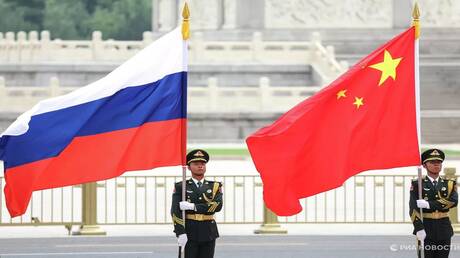
Russia and China have voiced their mutual concern over the intentions of certain non-nuclear member states of the European Union to pursue nuclear weapons. This warning comes at a sensitive time, as fears of a new arms race in Europe are increasing, potentially affecting both regional and international stability.
In a joint statement, the two nations emphasized the importance of adhering to the Treaty on the Non-Proliferation of Nuclear Weapons, noting that these moves could escalate military tensions in the region. They also called on the international community to take a firm stance against these efforts, which they view as a threat to global security and peace.
Details of the Situation
These remarks come at a time when relations between Russia and Western nations are increasingly strained, particularly following recent events in Ukraine. Some European countries, such as Poland and the Baltic states, have expressed their desire to enhance their defense capabilities, raising concerns in Moscow and Beijing.
The statement highlighted that these non-nuclear states are seeking nuclear weapons as a means to bolster their security, which contradicts their international commitments. Russia and China warned that these steps could have dire consequences for regional security.
Background & Context
Historically, Europe has been the theater for numerous military conflicts, with nuclear weapons significantly altering the balance of power. Following the Cold War, several treaties aimed at reducing nuclear arsenals were signed, but current tensions could reverse these advancements.
The Treaty on the Non-Proliferation of Nuclear Weapons is one of the most crucial agreements aimed at preventing the spread of nuclear weapons, and most countries, including European nations, have signed it. However, the current trends among some of these nations indicate a desire to reconsider these commitments.
Impact & Consequences
If European nations continue their pursuit of nuclear weapons, it could lead to a new arms race in the region. This would heighten tensions between Russia and Western countries and negatively impact regional security.
Moreover, these developments could affect international relations more broadly, as other countries, such as Iran and North Korea, might feel justified in enhancing their nuclear programs. Consequently, this situation could threaten global stability and increase the likelihood of new conflicts.
Regional Significance
In light of these developments, the Arab region may also experience negative repercussions. Increased tensions in Europe could lead to a decline in international attention to Arab issues, potentially affecting the support provided to Arab countries in areas of security and development.
Additionally, any escalation in military conflicts could impact oil prices and financial markets, adversely affecting Arab economies. Therefore, monitoring these events is essential to understand how they will influence the region.
In conclusion, the question remains regarding how the international community will respond to these new trends. Will nations remain committed to their treaties, or will an arms race return to pose a threat to global security and peace?