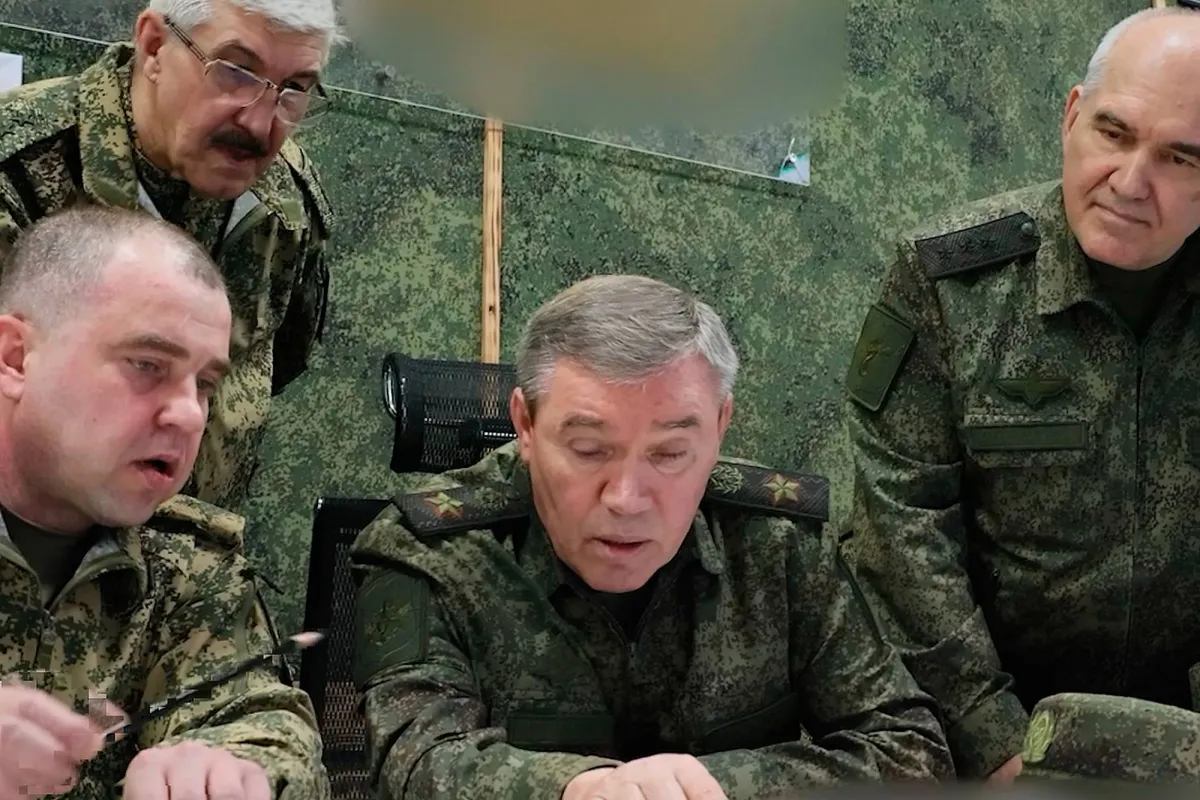
The Russian Ministry of Defense announced today, Wednesday, that it has equipped its mobile Iskander-M launch systems with nuclear warheads, which were loaded as part of large-scale military exercises. The ministry confirmed that the forces trained to move these systems to launch sites undetected, reflecting a high level of combat readiness.
In an official statement, the ministry clarified that the drills will involve more than 64,000 personnel and 7,800 units of military equipment, noting that the exercises will include the launch of ballistic and cruise missiles from test sites within Russian territory.
Details of the Event
These maneuvers come at a sensitive time, as Russian and Belarusian authorities announced joint nuclear drills amid escalating tensions with NATO. These activities have heightened concerns regarding regional and international security, particularly as negotiations with Washington on nuclear arms control have stalled.
The Belarusian Ministry of Defense also reported that the drills aim to train for the delivery and use of nuclear munitions in cooperation with the Russian side, asserting that these exercises do not target any third country and do not pose a threat to regional security.
Background & Context
Historically, Russia deployed the Oreshnik missile last year, one of its latest hypersonic missiles capable of carrying nuclear warheads, in Belarus, which intensified tensions with NATO. These steps are part of Russia's efforts to enhance its nuclear capabilities in response to what it perceives as threats from the West.
It is worth noting that Russian military exercises are not new, as recent years have seen an increase in Russian military activities, including large-scale drills involving nuclear weapons, reflecting Moscow's strategy to bolster its military strength in the region.
Impact & Consequences
These maneuvers raise significant concerns in international circles, as they could lead to escalating tensions between Russia and Western countries. Additionally, the enhancement of Russian nuclear capabilities may prompt other nations to increase their investments in nuclear programs, threatening regional and global stability.
Furthermore, these military activities could adversely affect nuclear disarmament efforts, as countries may retreat from their commitments in this area amid rising nuclear threats.
Regional Significance
The Russian military developments are particularly important for the Arab region, as they may influence the balance of power in the Middle East. Amid increasing tensions, some Arab nations may seek to enhance their defensive capabilities in response to potential threats.
Moreover, the escalation of Russian military activities could impact relations between Arab states and Western countries, potentially leading to shifts in regional and international alliances.
In conclusion, Russian military exercises serve as a wake-up call for the international community, necessitating a coordinated response to address the growing security challenges.