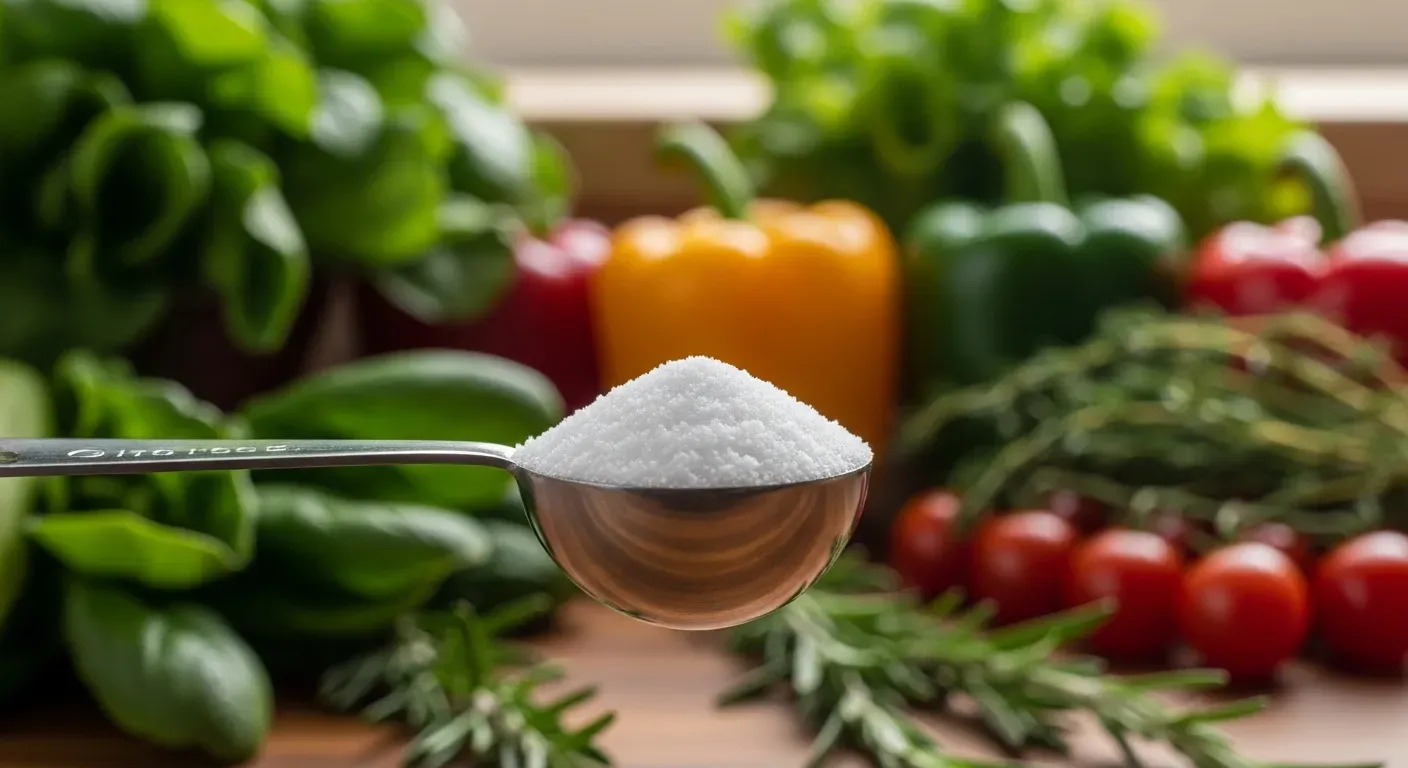
Recent studies indicate that consuming a specific amount of salt daily can help protect heart health and prevent high blood pressure. Recommendations emphasize adhering to certain limits to ensure cardiovascular well-being.
According to health organizations, it is advised that daily salt intake should not exceed 5 grams, which is equivalent to a teaspoon. This amount is considered sufficient to meet the body's needs without risking increased blood pressure or negatively impacting heart health.
Details of the Findings
Increased salt consumption is one of the primary factors leading to high blood pressure, which is a major cause of heart disease and strokes. Research has shown that reducing salt intake can significantly lower the risk of these diseases.
In this context, studies have confirmed that individuals who adhere to recommended salt intake levels enjoy better heart health, as their rates of cardiovascular diseases are lower.
Background & Context
Historically, salt has been considered an essential element in the diets of many cultures, used for preserving food. However, with the evolution of modern diets and increased consumption of processed foods, salt levels in diets have risen significantly.
This increase poses a global health concern, with estimates suggesting that around 2.5 billion people suffer from high blood pressure, reflecting the urgent need to raise public awareness about the risks of excessive salt consumption.
Impact & Consequences
Studies confirm that reducing salt intake can lead to a noticeable decrease in heart disease rates. Research has shown that cutting salt consumption by 30% can reduce the risk of heart disease by up to 25%.
Moreover, raising awareness about the importance of reducing salt intake can contribute to improving public health and reducing the health burdens on healthcare systems in various countries.
Regional Significance
In the Arab region, heart diseases are among the leading causes of death. Therefore, raising awareness about salt consumption is an important step towards improving the health of Arab communities. Governments and health institutions must work to disseminate information about the risks associated with excessive salt intake.
These efforts can also promote a healthy lifestyle, positively impacting public health and the national economy.
Adhering to the recommended salt intake can have a significant impact on heart health and blood pressure. Therefore, individuals should pay attention to their dietary habits and work on reducing salt consumption to achieve a healthier life.