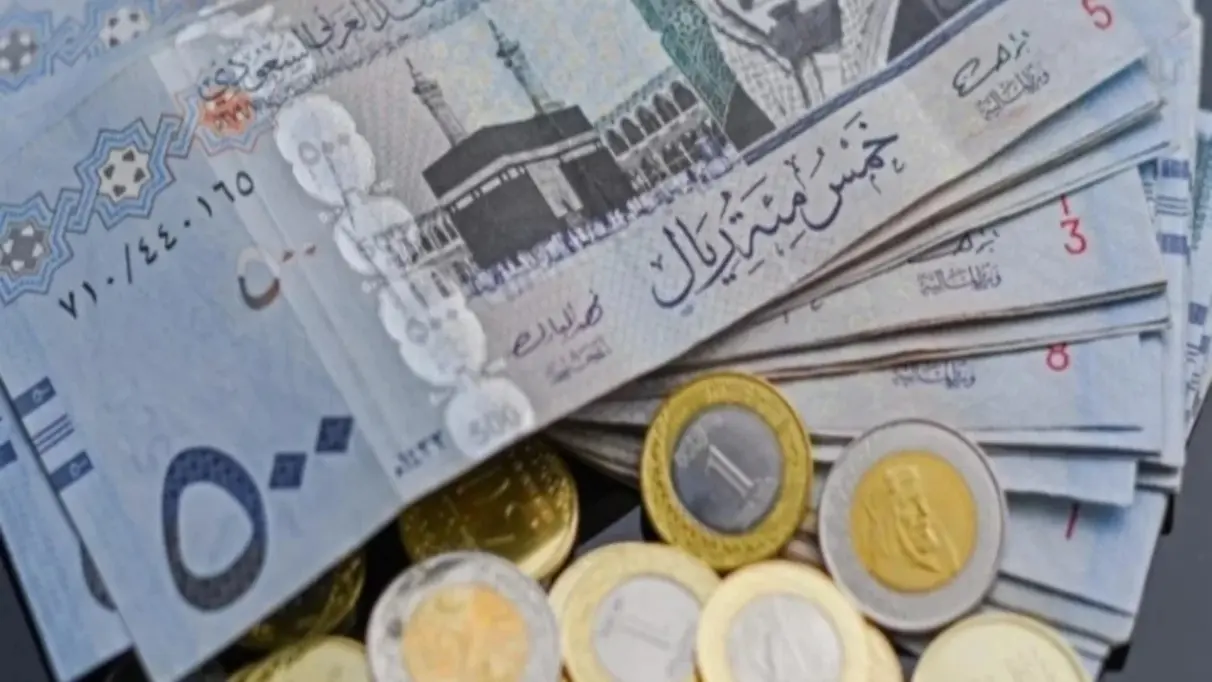
On Sunday, March 29, 2026, the Saudi Riyal reached a new record high against the Egyptian Pound in banks, with an exchange rate of 8.50 EGP. This rise comes at a time when the Egyptian market is experiencing notable fluctuations, raising questions about its impact on the local economy.
This increase in the Saudi Riyal's value is an indicator of the economic changes occurring in the region, reflecting the growing demand for the Saudi currency amid current economic conditions. Reports have shown a significant increase in remittances from Egyptians working in Saudi Arabia, contributing to the heightened demand for the Riyal.
Details of the Event
At the start of trading today, the Saudi Riyal was priced at 8.50 EGP, marking its highest level in several years. This rise occurs while the Egyptian Pound faces substantial pressures due to global market fluctuations and rising prices of essential commodities. Many experts have indicated that this situation may persist in the near future, necessitating urgent measures from the Egyptian government to support the local currency.
Data also showed an increase in demand for the Saudi Riyal from investors and businessmen, reflecting confidence in the Saudi economy compared to the Egyptian economy. Some analysts pointed out that this situation could lead to further pressures on the Egyptian Pound, calling for appropriate economic measures to be taken.
Background & Context
Historically, the relationship between the Egyptian Pound and the Saudi Riyal has experienced numerous fluctuations, influenced by various economic and political factors. In recent years, the Egyptian Pound has faced significant challenges due to inflation and rising commodity prices, affecting citizens' purchasing power. In contrast, Saudi Arabia has managed to maintain the stability of its currency thanks to substantial financial reserves and well-considered economic policies.
It is worth noting that remittances from Egyptians working in Saudi Arabia represent an important source of foreign currency, significantly supporting the Egyptian economy. As the value of the Riyal continues to rise, the volume of remittances may increase, potentially alleviating pressures on the Egyptian Pound.
Impact & Consequences
The rise in the Saudi Riyal's value against the Egyptian Pound has multiple implications for the Egyptian economy. On one hand, it may lead to increased import costs from Saudi Arabia, contributing to rising prices in the local market. On the other hand, this situation may encourage investors to shift their investments to Saudi Arabia, negatively impacting the Egyptian economy.
Furthermore, the continuation of this trend could exacerbate the currency crisis in Egypt, requiring the government to take urgent steps to support the Pound. These measures may include improving the business environment, increasing investments, and boosting exports.
Regional Significance
The rise in the Saudi Riyal against the Egyptian Pound is part of a larger picture concerning the Arab economy. Many Arab countries face similar economic challenges, necessitating cooperation among Arab nations to enhance economic stability. This situation could lead to increased economic tensions between countries, requiring joint strategies to address current challenges.
In conclusion, the value of the Saudi Riyal against the Egyptian Pound remains an indicator of economic changes in the region. As these changes continue, Arab governments must work together to promote economic stability and achieve sustainable development.