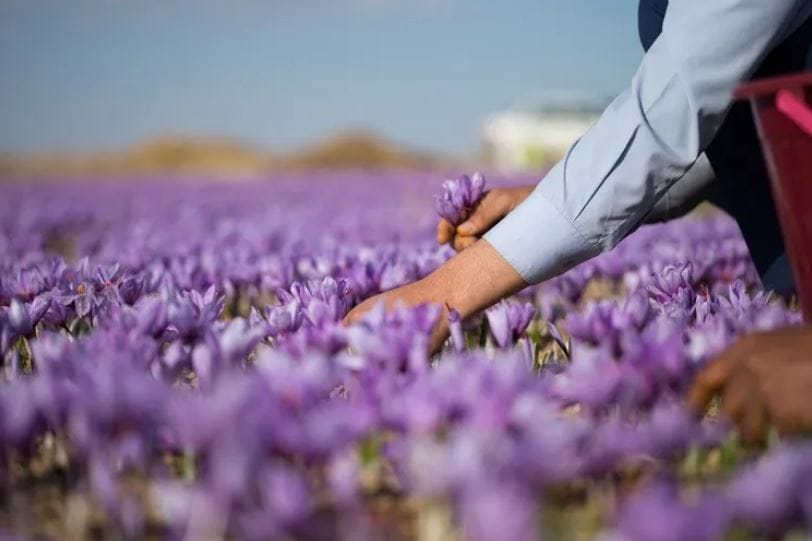
Saudi saffron has achieved global quality standards, enhancing its opportunities in international markets. This accomplishment reflects the Kingdom's commitment to developing its agricultural products and improving competitiveness.
Saffron represents one of the most important agricultural crops that the Kingdom of Saudi Arabia seeks to enhance its cultivation, characterized by its high quality and unique properties. Studies have shown that Saudi saffron outperforms some aspects of other imported saffron varieties, making it a preferred choice among consumers.
Details of the Achievement
The Saudi Ministry of Environment, Water, and Agriculture announced that local saffron has met global quality standards, opening up new horizons in international markets. This achievement is part of the Kingdom's efforts to enhance food security and develop the agricultural sector, focusing on improving farming and manufacturing techniques.
The Kingdom aims to increase saffron production, as its cultivation is part of Vision 2030, which seeks to diversify the Saudi economy and reduce dependence on oil. Reports have indicated that Saudi saffron possesses unique characteristics that distinguish it from other varieties, enhancing its export potential to global markets.
Background & Context
Historically, saffron is considered one of the oldest spices used in the world, utilized in various cultures for culinary and medicinal purposes. With the rising global demand for saffron, many countries are striving to increase their production of this crop. Saudi Arabia is no exception, having recently begun to develop saffron cultivation as part of its agricultural strategy.
The mountainous regions of Saudi Arabia, such as the Asir region, are among the most prominent areas for saffron cultivation, providing the suitable climatic conditions for its growth. Research has shown that these areas have rich soil and a favorable climate, contributing to the production of high-quality saffron.
Impact & Consequences
The achievement of global quality standards by Saudi saffron may contribute to strengthening the local economy through increased exports and the opening of new markets. It can also lead to the creation of new job opportunities in the agricultural sector, improving the standard of living in rural areas.
Moreover, this achievement reflects the Kingdom's ability to compete in global markets and enhances its reputation as a key producer of agricultural goods. It may also encourage local and foreign investors to invest in this sector, contributing to its development and increasing productivity.
Regional Significance
Saudi saffron serves as a model for the Arab region, as this experience can inspire other countries seeking to develop their agriculture and improve the quality of their products. This could lead to enhanced regional cooperation in agriculture, contributing to achieving food security in the region.
Given the challenges many Arab countries face in agriculture, the Saudi saffron experience may serve as a guide on how to achieve success through innovation and investment in modern technologies.
In conclusion, the achievement of global quality standards by Saudi saffron is a significant accomplishment that reflects the Kingdom's commitment to developing its agricultural sector and enhancing its competitiveness in international markets. This achievement not only represents a step towards achieving food security but also showcases the Kingdom's ability to compete in global markets.