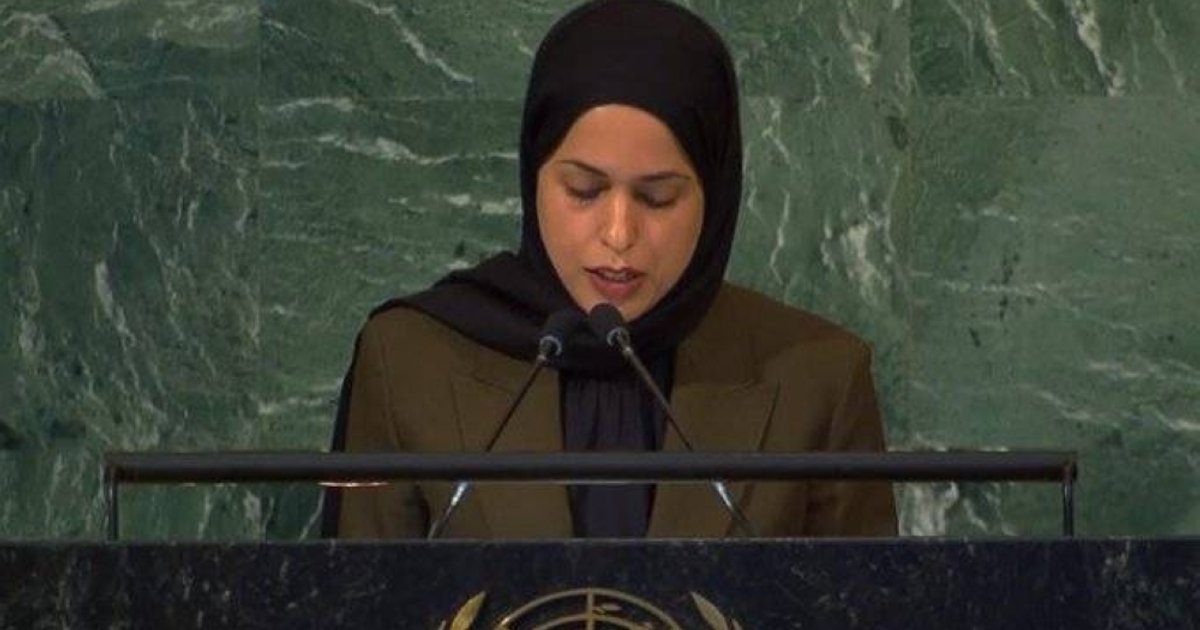
In a move reflecting Singapore's commitment to global trade principles, Deputy Prime Minister Gan Kim Yong stated that the country will continue to adhere to international trade rules despite the short-term economic challenges it may face. These remarks were made in a report published by the Business Times, showcasing Singapore's strategic vision in engaging with the global economy.
Singapore is considered one of the leading trade hubs in the world, relying on trade as a primary driver of its economic growth. Gan Kim Yong emphasized that adherence to international trade rules is vital for maintaining market stability and enhancing trust among nations.
Details of the Announcement
The Deputy Prime Minister's statements come at a time when the global economy is experiencing significant fluctuations due to trade tensions between major powers, such as the United States and China. Although these tensions may negatively impact the Singaporean economy, the government believes that commitment to trade rules will help strengthen trade relations with other countries.
Gan Kim Yong also noted that Singapore will work to enhance its trade partnerships with other nations, including members of the Association of Southeast Asian Nations (ASEAN) and other countries in the Pacific region. This cooperation aims to promote free trade and reduce trade barriers.
Background & Context
Historically, Singapore has been one of the first countries to rely on international trade as a primary driver of its economic growth. Since gaining independence in 1965, the country has focused on building an open economy based on trade and foreign investment. Flexible trade policies have contributed to making Singapore one of the wealthiest nations in the world.
In recent years, Singapore has faced new challenges, including the impact of the COVID-19 pandemic on the global economy, which led to a decline in trade volume. Nevertheless, the government remains committed to promoting free trade as a means of recovery and growth.
Impact & Consequences
These statements are significant not only for Singapore but also for the global economy as a whole. They reflect the commitment of smaller nations to continue engaging in free trade, even amid economic pressures. This commitment may encourage other countries to take similar steps, thereby enhancing the stability of global markets.
Moreover, adherence to trade rules can help reduce tensions between countries by providing a legal framework for addressing trade disputes. This, in turn, may contribute to fostering international cooperation in other areas, such as the environment and sustainable development.
Regional Significance
For the Arab region, these statements could serve as a call for Arab countries to strengthen their commitment to free trade. Many Arab nations face similar economic challenges, and adherence to trade rules could be a means to boost economic growth and create job opportunities.
Additionally, enhancing trade relations with Singapore could open new avenues for Arab countries, particularly in technology and innovation, contributing to sustainable development.
In conclusion, the remarks by the Singaporean Deputy Prime Minister highlight the importance of commitment to trade rules as a means of overcoming economic challenges. This commitment is not only in Singapore's interest but could also have positive implications for the global economy as a whole, fostering cooperation and development across various regions.