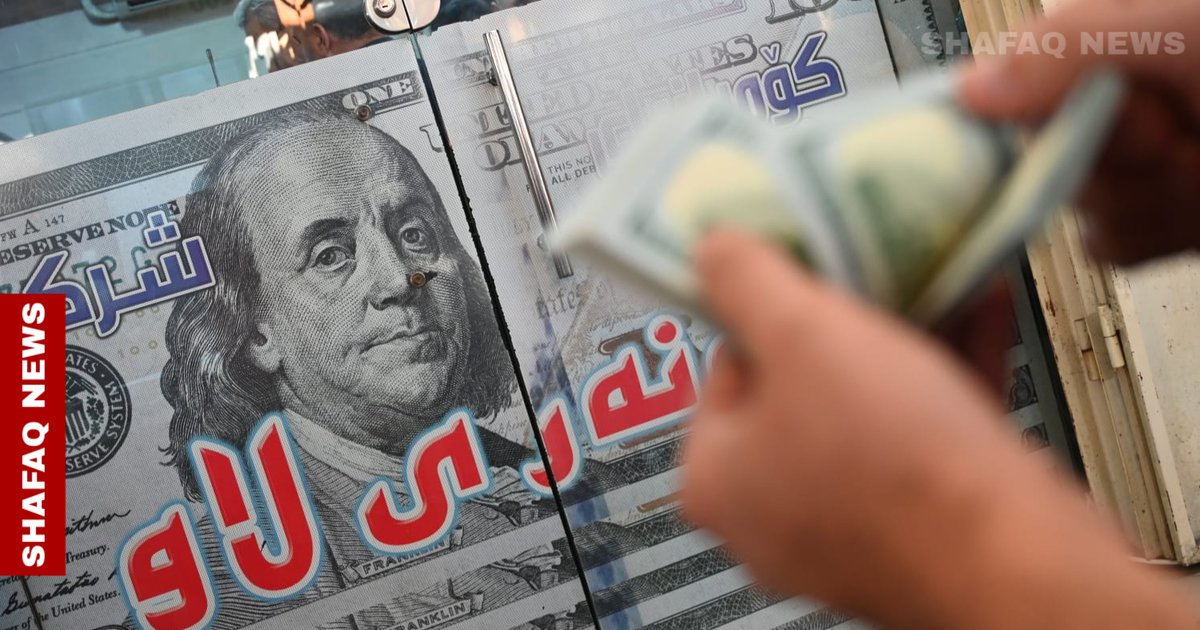
The US dollar experienced a slight increase at the close of trading on Friday, reflecting global market movements. This rise comes at a sensitive time for the US economy, as expectations regarding future monetary policies are on the rise. In light of these circumstances, investors are closely monitoring any signals from the Federal Reserve regarding interest rate hikes.
The US dollar traded at elevated levels last weekend, reflecting increased demand for the American currency as a safe haven amid global economic fluctuations. Financial markets have shown mixed reactions, with other currencies affected to varying degrees.
Details of the Event
At the close of trading on Friday, the US dollar rose by 0.2% against a basket of major currencies. This increase followed a series of economic data that showed improvements in some indicators of the US economy, raising expectations that the Federal Reserve may move towards raising interest rates in the near future.
Despite this increase, the US dollar remains under pressure from some economic factors, including high inflation and concerns about slowing economic growth. However, demand for the dollar as a reserve currency remains strong, helping to support its value in global markets.
Background & Context
Historically, the US dollar is considered the most traded currency in the world, representing about 60% of foreign currency reserves. In recent years, the dollar has experienced significant fluctuations due to changes in US monetary policies and global trade tensions. Geopolitical events, such as trade disputes between the US and China, also directly affect the value of the dollar.
In 2020, the US dollar saw a significant rise due to the COVID-19 pandemic, as investors turned to safe assets. However, in 2021, the dollar began to decline as the global economy recovered and demand for higher-risk assets increased.
Impact & Consequences
The rise of the US dollar has multiple effects on the global economy. On one hand, it can lead to increased costs for US exports, negatively impacting American companies that rely on foreign markets. On the other hand, a stronger dollar can reduce the cost of imports, which may help control inflation.
Moreover, the rise of the dollar also affects emerging markets, as it can lead to capital flows into the United States, increasing pressure on local currencies. This situation may cause volatility in global financial markets and impact economic stability in many countries.
Regional Significance
Arab countries are significantly affected by movements in the US dollar, as many nations rely on the dollar for their international trade. A stronger dollar may lead to increased import costs, putting pressure on national budgets and raising inflation in some Arab countries.
Additionally, countries that rely on oil exports, such as Saudi Arabia and Iraq, may experience mixed effects. While a stronger dollar can increase oil revenues in dollars, it may affect the competitiveness of Arab oil in global markets.
In conclusion, the US dollar remains central to the global economy, and its movements directly impact financial markets and national economies. With ongoing economic and political tensions, the value of the dollar is expected to remain under close observation.