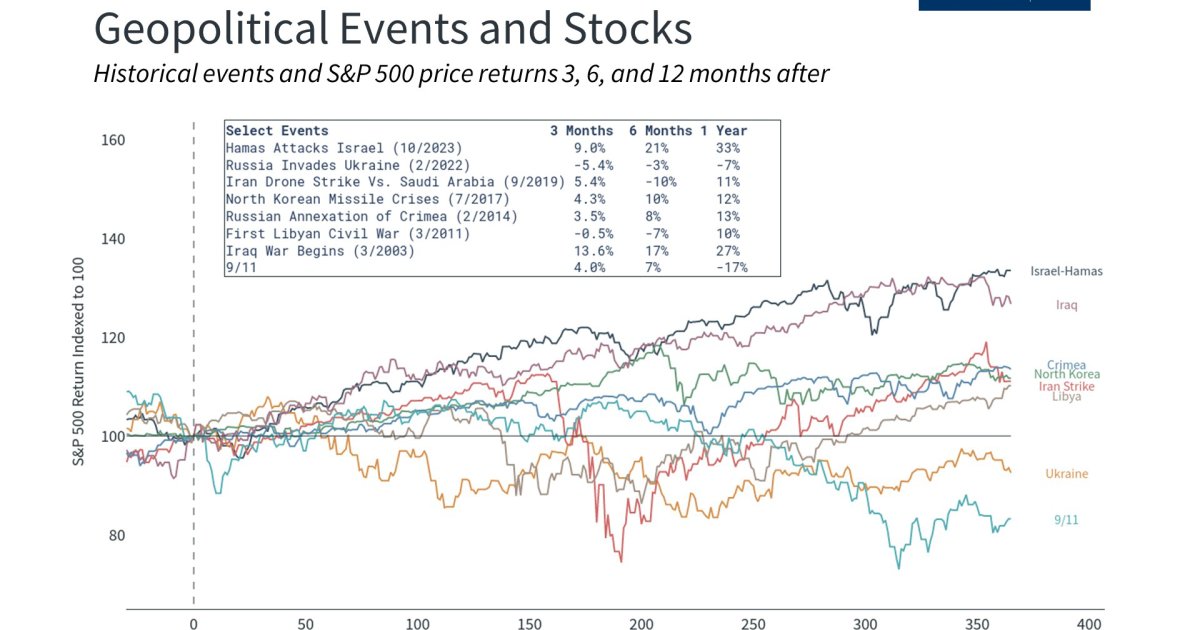
The South Korean government has announced a proposal for an additional budget of 26.2 trillion won (approximately 290 trillion rupees) as part of its efforts to tackle the repercussions of rising fuel prices stemming from increasing tensions in the Middle East. This proposal comes at a time when the country is facing a growing economic crisis, with South Korean Minister of Planning and Budget, Park Hong-keun, stating that "a major crisis is rapidly approaching our economy, driven by a sharp increase in uncertainty both domestically and internationally due to tensions in the Middle East."
The proposed budget includes cash assistance for approximately 70% of the population, with around 35.8 million South Korean citizens expected to benefit from this aid. Additionally, 4.8 trillion won (approximately 53.1 trillion rupees) has been allocated to support the most vulnerable groups, reflecting the government's commitment to helping citizens cope with the increasing economic burdens.
Details of the Proposal
The additional budget encompasses several key areas, with 5.1 trillion won (approximately 56.5 trillion rupees) earmarked for fuel price stabilization programs, alongside measures to address any potential disruptions in raw material supplies. A system for setting maximum prices for petroleum products has also been established, which is updated biweekly in accordance with changes in global oil prices.
Furthermore, 9.7 trillion won (approximately 107 trillion rupees) has been allocated to bolster local government finances, in addition to 1.9 trillion won (approximately 21 trillion rupees) to support youth entrepreneurship and job creation. An additional 500 billion won (approximately 5.5 trillion rupees) has been set aside for the transition to renewable energy.
Background & Context
These measures come at a time when the world is witnessing a rise in tensions in the Middle East, where recent events, including American and Israeli attacks on Iran, have effectively closed the Strait of Hormuz, impacting global oil supplies. South Korea is one of the countries that heavily relies on energy imports, making it vulnerable to fluctuations in global prices.
Historically, South Korea has faced multiple economic crises, but the current government is striving to avoid exacerbating the situation through proactive measures. This additional budget reflects the government's swift response to global economic crises.
Impact & Consequences
These measures are expected to alleviate economic pressures on the most vulnerable segments of South Korean society, especially amid rising fuel prices and inflation. The financial support provided will enhance citizens' purchasing power, potentially contributing to the stabilization of the local economy.
However, the biggest challenge remains how to manage these crises in the long term, as sustainable strategies are required to ensure that economic crises do not recur. The South Korean government needs to focus on enhancing economic diversification and reducing dependence on external energy sources.
Regional Significance
Arab countries are directly affected by tensions in the Middle East, as this region is one of the world's most important energy sources. Any escalation in conflicts may impact global oil prices, negatively affecting the economies of Arab countries that rely on oil exports.
In light of these circumstances, Arab countries should consider alternative strategies to bolster their economies, including investing in renewable energy and diversifying income sources. Additionally, cooperation between Arab countries and South Korea could have a positive impact on technology and energy development.