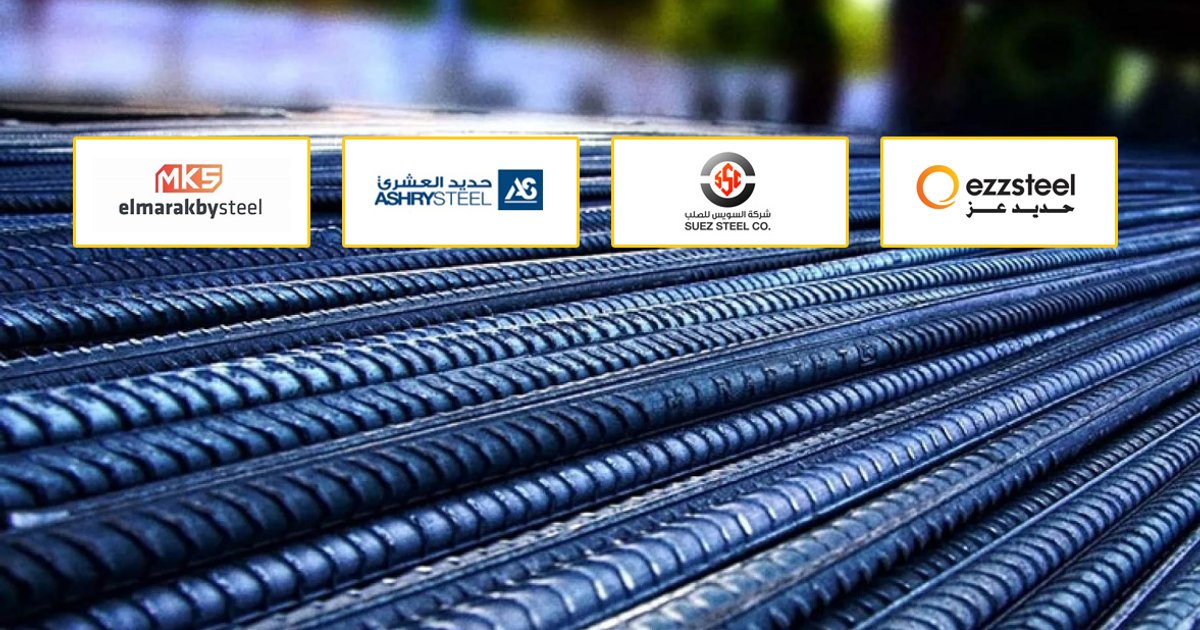
On Saturday, March 28, 2026, iron and cement prices in Egypt's construction market remained stable, with iron priced at 15,000 EGP per ton and cement at 1,200 EGP per ton. These prices reflect ongoing changes in the local market.
This pricing stability comes at a time when the construction sector in Egypt is witnessing significant activity, as the government aims to enhance national projects and meet the increasing demand for building materials. Iron and cement are considered essential materials in any construction project, making their price monitoring crucial for investors and contractors.
Event Details
According to reports, iron prices have shown relative stability compared to previous months, with the price per ton at the beginning of this year reaching 14,500 EGP. Cement, on the other hand, has seen a slight price increase, with the ton priced at around 1,150 EGP at the beginning of March 2026. This price change reflects the challenges facing the market, including rising production and transportation costs.
Iron and cement prices are influenced by several factors, including raw material prices in global markets and local demand. Market experts have indicated that price stability could be a positive indicator of overall market stability, potentially encouraging further investments in the construction sector.
Background & Context
The construction sector is one of the most important economic sectors in Egypt, significantly contributing to the gross domestic product and providing job opportunities for thousands. With the increase in national projects such as the new administrative capital and social housing projects, the demand for iron and cement continues to rise.
Despite the economic challenges facing the country, including inflation and rising fuel prices, the Egyptian government is striving to support this sector by providing essential materials at competitive prices. Several measures have been taken to ensure market stability, including regulating import and export operations.
Impact & Consequences
The stability of iron and cement prices could have positive effects on the real estate market, encouraging developers and investors to initiate new projects. Additionally, stable prices may help reduce financial pressures on contractors, enhancing their competitiveness.
However, the government and investors must closely monitor the market, as any price changes could affect future project plans. A sudden increase in prices could lead to higher construction costs, which may impact property prices in the future.
Regional Significance
Iron and cement prices are vital economic indicators in the Arab region, reflecting the state of construction in various countries. In countries like the UAE and Saudi Arabia, building material prices have also experienced fluctuations due to global economic changes.
With the increase in major projects in the region, the stability of iron and cement prices could contribute to enhancing cooperation among Arab countries in the construction sector, opening new avenues for investment and development.
In conclusion, the construction sector in Egypt remains a focal point for many, representing one of the main drivers of the economy. With the stability of iron and cement prices, there is hope for further progress and growth in this vital sector.