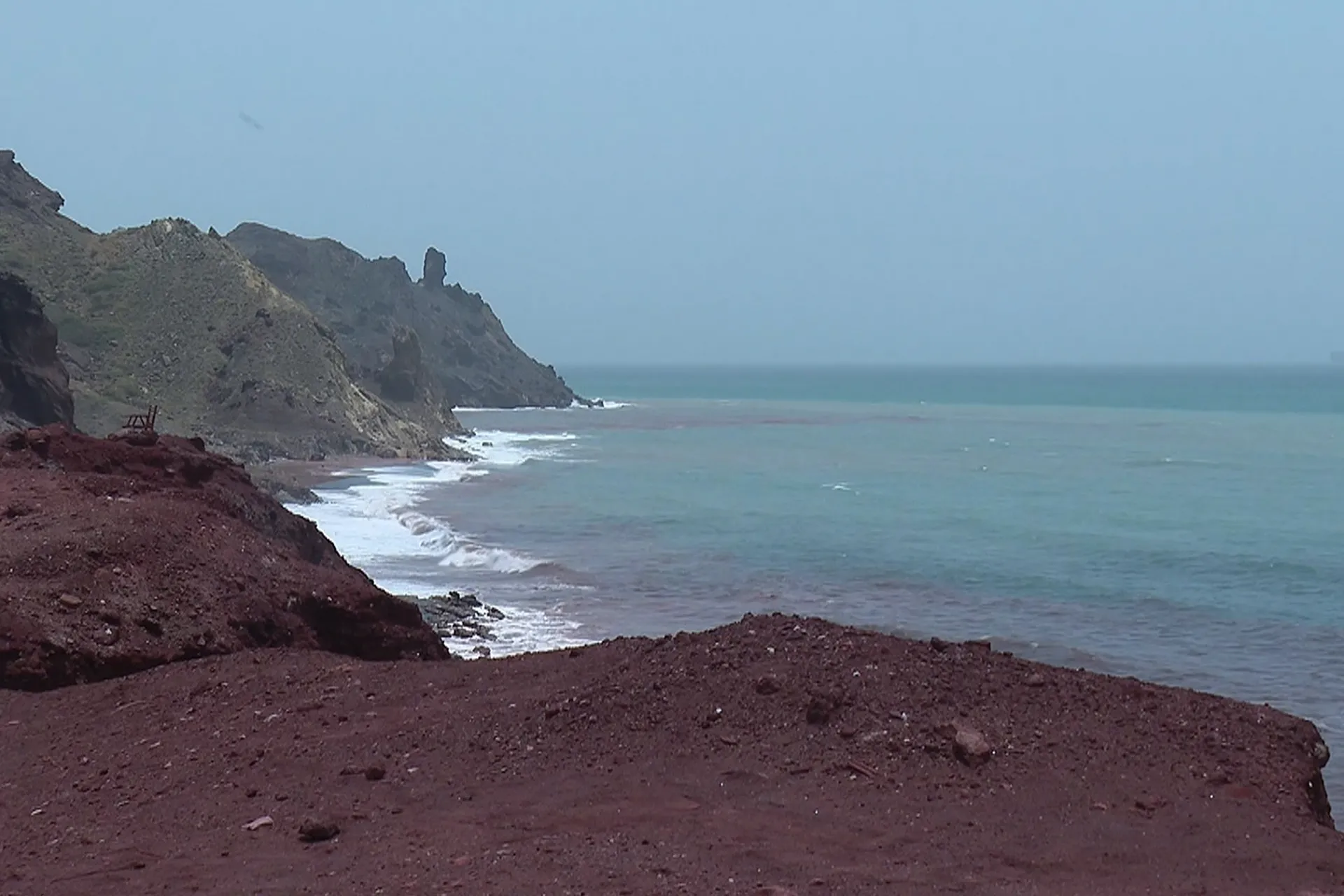
In a move aimed at enhancing Iranian control over navigation in the Strait of Hormuz, Al Jazeera's camera from Qeshm Island captured the complete halt of maritime traffic in this vital corridor. Seven ships have stopped in the strait, raising questions about the impact of these measures on international trade.
This development comes at a sensitive time, as navigation in the Strait of Hormuz is a crucial element in transporting oil and gas to global markets. Approximately 20% of the total oil transported by sea passes through this strait, making it a vital strategic point for the global economy.
Details of the Event
Reports indicate that Iran has issued a set of new laws aimed at regulating ship movements in the strait, leading to the sudden halt of navigation. These measures include imposing new restrictions on ships entering the waterway, complicating trade movements in the region.
The Iranian maneuvers come at a time of heightened international tensions, particularly with the United States and its allies. Iran seeks to bolster its influence in the region, which could affect the stability of global markets.
Background & Context
The Strait of Hormuz is one of the busiest waterways in the world and is considered a vital artery for energy transport. Historically, the strait has witnessed numerous political and military crises, making it a focal point for tensions between major powers. In recent years, Iran has increased its military activity in the region, raising concerns among neighboring countries and the international community.
The new Iranian measures are part of Tehran's efforts to reinforce its control over the strait, especially following the economic sanctions imposed by the United States. These steps could escalate tensions in the region, particularly with the presence of American naval fleets in the Gulf.
Impact & Consequences
The halt of navigation in the Strait of Hormuz could have significant repercussions on global oil prices. Any disruption in transport could lead to price increases, affecting the global economy as a whole. Additionally, these measures may provoke reactions from major powers, increasing the likelihood of military escalation in the region.
The economic impacts may also extend to Iran's neighboring countries, many of which rely on the passage of their shipments through the strait. Any new restrictions could lead to increased transportation costs, affecting regional trade.
Regional Significance
The Arab countries neighboring the Strait of Hormuz are the most affected by these developments. Gulf states heavily depend on exporting oil through this corridor, and any escalation could impact the stability of their markets. Furthermore, these events may heighten tensions between Arab nations and Iran, complicating peace and stability efforts in the region.
In conclusion, attention remains focused on the developments in the Strait of Hormuz, as any changes could significantly impact the global economy and regional security. It is essential to closely monitor events to understand the political and economic dimensions of these Iranian measures.