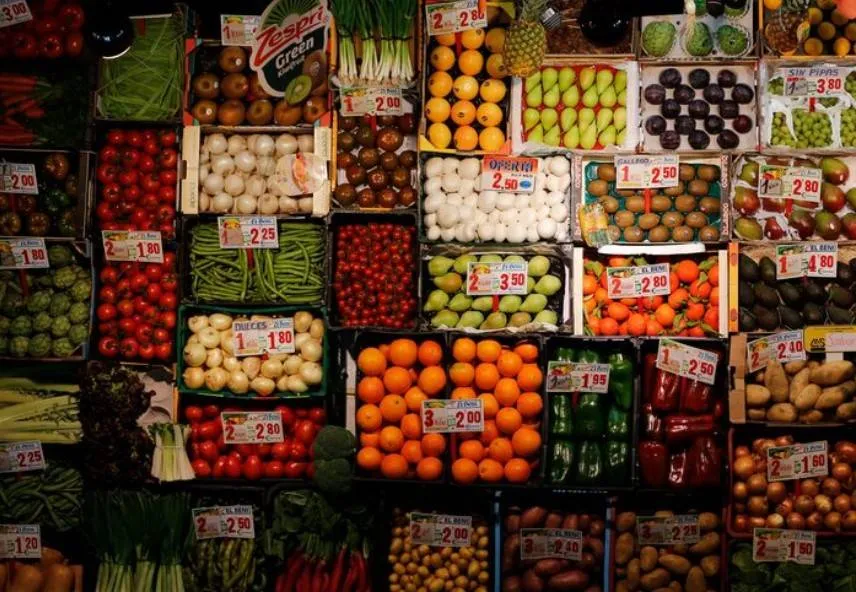
A new study has revealed that non-smoking youth who consume large quantities of fruits, vegetables, and whole grains may be more susceptible to lung cancer compared to the general population. These findings, presented at the annual meeting of the American Association for Cancer Research, raise questions about potential environmental factors that could impact lung health.
Researchers from the University of Southern California conducted a study involving 187 patients diagnosed with lung cancer before the age of fifty. The results indicated that these patients, who had never smoked, were consuming healthier foods in greater quantities than the average U.S. population.
Event Details
The study, which has not yet been published in a peer-reviewed journal, suggests that non-organic fruits, vegetables, and whole grains typically contain higher levels of pesticides compared to processed foods. Dr. Jorge Nieva, the lead researcher of the study, noted that these counterintuitive results pose significant questions regarding unknown environmental factors associated with lung cancer.
He added that there is an urgent need for further research to understand the relationship between pesticides and lung cancer, especially among youth. Previous studies have shown that agricultural workers exposed to pesticides have higher rates of lung cancer, supporting the researchers' hypothesis.
Background & Context
Despite a decline in lung cancer rates in the United States since the 1980s, the trend has not been the same among non-smokers aged 50 and younger, particularly women. Dr. Jamie Johannes, who did not participate in the study, pointed out that this trend is very concerning and requires more research to understand the reasons behind lung cancer in non-smokers.
In the study, researchers used a healthy eating index to compare the diets of participants with the general U.S. population. Young non-smoking lung cancer patients recorded a score of 65 out of 100, compared to an average of 57 among the U.S. population, indicating that these patients consume larger amounts of healthy foods.
Impact & Consequences
These findings call for a reevaluation of environmental factors that may affect lung health, especially as lung cancer cases among youth continue to rise. There is also an urgent need to direct research towards understanding the relationship between pesticides and lung cancer, which could lead to new public health recommendations.
At the same time, nutrition experts have warned that these results do not mean reducing fruit and vegetable consumption, as these foods are still considered essential parts of a healthy diet. Registered dietitian Melissa Mroz-Blaniel emphasized that diets rich in fruits and vegetables help reduce cancer risk.
Regional Significance
These results are particularly significant for the Arab region, where fruit and vegetable consumption rates are increasing. Arab countries should consider these findings when formulating agricultural and health policies, focusing on reducing pesticide use and improving the quality of agricultural products.
In conclusion, this study highlights the need for further research to understand the environmental factors associated with lung cancer, especially among non-smoking youth. Efforts should continue to raise community awareness about the importance of healthy nutrition.