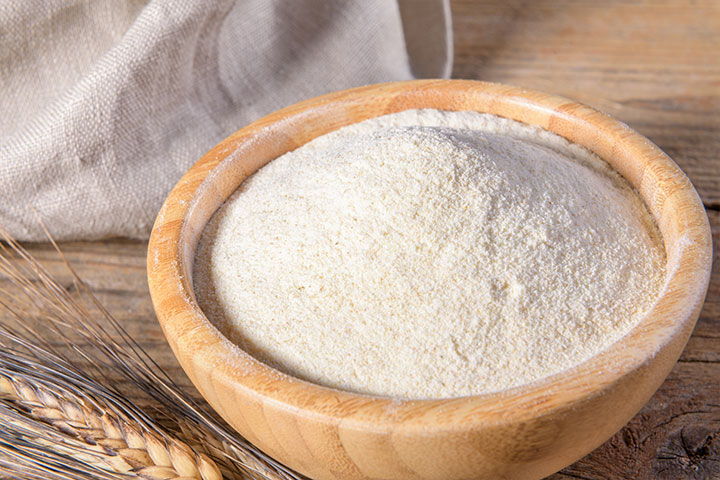
A new study has revealed hidden changes in wheat fibers that contribute to improving the bread fermentation process. These findings may reshape our understanding of traditional bread-making, as research has shown that fibers play a crucial role in the quality and flavor of bread.
The bread fermentation process is fundamental in the bread-making industry, relying on the interaction of yeast with other ingredients. However, subtle changes in the fiber composition can significantly impact this process, leading to improved flavor and texture.
Details of the Study
The study was conducted by a team of researchers at Colorado State University, who analyzed the wheat fibers used in bread production. They found that there are changes in the chemical composition of the fibers, affecting the yeast's ability to interact with other ingredients. These changes may result from modern agricultural practices or processing methods used in flour production.
The study also showed that fibers rich in proteins and other nutrients contribute to enhancing the quality of bread, making it more digestible and nutritionally superior. These results open new avenues for improving the bread industry and meeting consumer needs.
Background & Context
Historically, bread has been one of the most important food staples in many cultures worldwide. Bread-making methods have evolved over the ages, from traditional techniques to modern approaches. With increasing health awareness, there is a growing interest in improving bread quality through the use of natural and healthy ingredients.
Fibers are an essential part of the diet, playing a role in promoting digestive health. However, many traditional bread types contain low amounts of fiber, leading to a lack of health benefits. Therefore, this study represents an important step towards improving bread quality and increasing its fiber content.
Impact & Consequences
The results of this study could lead to significant changes in the bread industry, as manufacturers may adopt new methods to enhance the quality of their products. Additionally, these findings could increase demand for certain types of wheat that are fiber-rich, impacting the grain market overall.
Furthermore, improving bread quality may contribute to enhancing public health, as it could reduce diseases associated with fiber deficiency in the diet. Consequently, this study may have positive effects on consumer health worldwide.
Regional Significance
In the Arab region, bread is a staple component of the daily diet. With increasing health awareness, there is an urgent need to improve bread quality and meet consumer needs. These findings may help promote the production of healthy and nutritious bread, contributing to the overall health of the community.
In conclusion, this study represents an important step towards a better understanding of the bread fermentation process and may open new horizons for improving food product quality. It is crucial for research in this field to continue to ensure healthy options for consumers.