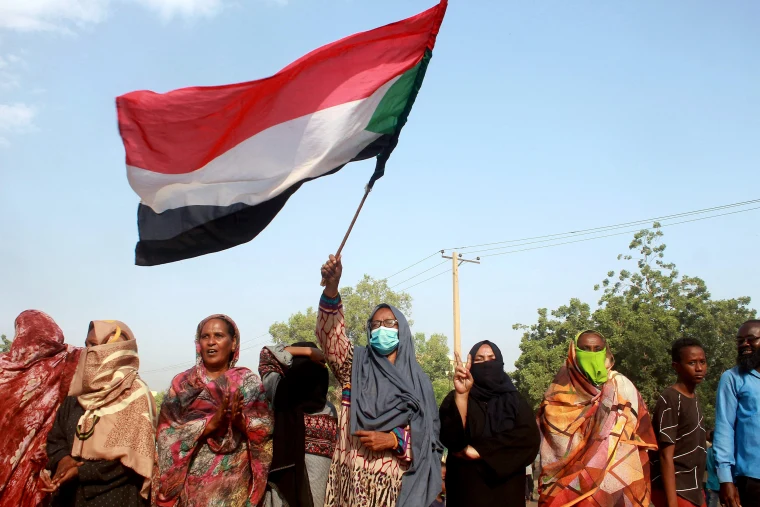
The world's attention is focused on the Sudanese capital, Khartoum, where the city is slowly recovering from the effects of a conflict that lasted over three years. Despite the increasing number of refugees and displaced individuals returning to their homes, the process of return is fraught with multiple complications, especially due to rising living costs.
During the day, the streets of Khartoum show increased activity, with some neighborhoods illuminated after being darkened by the effects of war. However, nighttime reveals a different reality, as buildings become ghostly figures and citizen movement diminishes. This contrast in daily life reflects the challenges faced by returnees.
Details of the Situation
A recent tour by Al Jazeera Net in Khartoum revealed that the return to certain neighborhoods, such as Garden City and Al-Riyadh, remains limited. In contrast, other areas, like Freedom Street, are witnessing notable commercial activity. Nevertheless, the most affected neighborhoods still suffer from a lack of basic services, making return difficult.
Traffic is increasing on Sixty Street, one of the largest roads in the city, while some neighborhoods continue to experience power outages at night. Despite this, some restaurants and shops have begun to regain their activity, reflecting the residents' will to live.
Background & Context
Historically, Khartoum has witnessed multiple conflicts that led to mass displacement of its population. As the conflict continued, many families were forced to leave their homes in search of safety. With the intensity of the conflict decreasing, some families have started to return, but the difficult economic conditions still pose a barrier to full return.
The reasons for some residents not returning range from seeking job opportunities abroad to fears of ongoing security instability. Additionally, the fragile economic situation adds an extra burden on returnees, complicating their return to their homeland.
Impact & Consequences
The economic conditions significantly affect families' ability to return, as the prices of goods have risen sharply. In the markets, citizens strive to find the best prices, reflecting the economic pressures they are under. This has led to a change in their lifestyle, with many relying on debts and remittances from expatriates to meet their basic needs.
The security and economic situation also impacts the real estate market, where home prices have seen a noticeable decline, attracting some investors. However, fears of instability continue to hinder the return of many.
Regional Significance
Khartoum's situation serves as a model for what could happen in other conflict-affected areas. The slow recovery and economic and social challenges may affect the overall stability of the region. Furthermore, Khartoum's experience may offer important lessons for other countries facing similar conflicts.
In conclusion, the will to live among Khartoum's residents remains strong as they strive to restore their way of life despite the challenges. Returning to normalcy requires collective efforts and support from the international community to achieve stability and sustainable development.