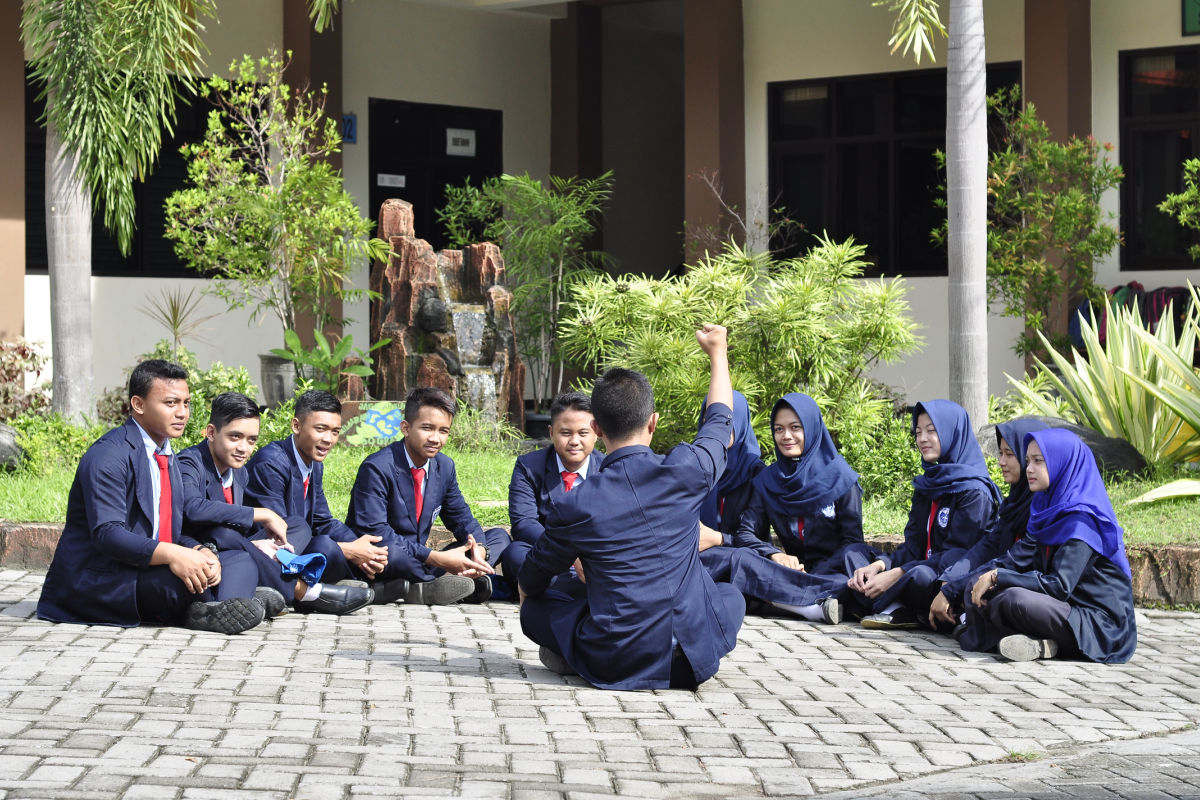
The National Nutrition Agency of Indonesia (BGN) has announced the suspension of services at the Pondok Kelapa 2 nutrition center, located in the Durin Sawit area of East Jakarta, after reports of food poisoning among 72 students. Nanik Sudariati Diang, the deputy head of BGN, confirmed that the center was not adhering to the specified operational standards, leading to this decision.
Nanik explained that the center will remain suspended for an indefinite period due to non-compliance with kitchen conditions, including its design and sewage treatment system, with the required health standards. She confirmed that the agency will cover the medical expenses for the students who were transferred to a private hospital in the area.
Details of the Incident
In a swift response, the agency coordinated with the Jakarta provincial government to provide necessary healthcare for the affected students. The Governor of Jakarta, Anies Baswedan, visited the hospital to check on the students' conditions, stating that all those with health insurance would receive the necessary care until they fully recover.
Officials also confirmed that the collaboration between BGN, the Jakarta government, and the ministries of education and health was effective in addressing this crisis. Meanwhile, everyone is awaiting the results of laboratory tests to determine the cause of the poisonings.
Background & Context
Food poisoning issues in schools are a sensitive topic in Indonesia, reflecting challenges related to food safety and quality. The country has witnessed several similar cases in recent years, prompting calls for improved food safety standards in educational institutions.
The Indonesian government aims to enhance the quality of nutrition provided to students, especially in public schools, where free meals are offered as part of school nutrition programs. However, incidents like this highlight the need for greater oversight of these programs.
Impact & Consequences
This incident may lead to a comprehensive reevaluation of school nutrition programs in Indonesia, potentially affecting parents' trust in these initiatives. There is an urgent need to implement strict standards to ensure the safety of food provided to students.
This incident could result in changes to policies regarding school nutrition, including improving inspection processes and ensuring centers comply with health standards. It may also raise awareness among parents and the community about the importance of food safety.
Regional Significance
Food safety and good nutrition are critical issues worldwide, including in Arab countries. The challenges faced by Indonesia in this area are similar to those encountered by some Arab nations, where governments are striving to improve nutrition quality in schools.
This incident can serve as a lesson for Arab countries on the necessity of enhancing oversight of school nutrition programs and ensuring the provision of healthy and safe meals for students. It also underscores the importance of collaboration between government entities and civil society in achieving these goals.