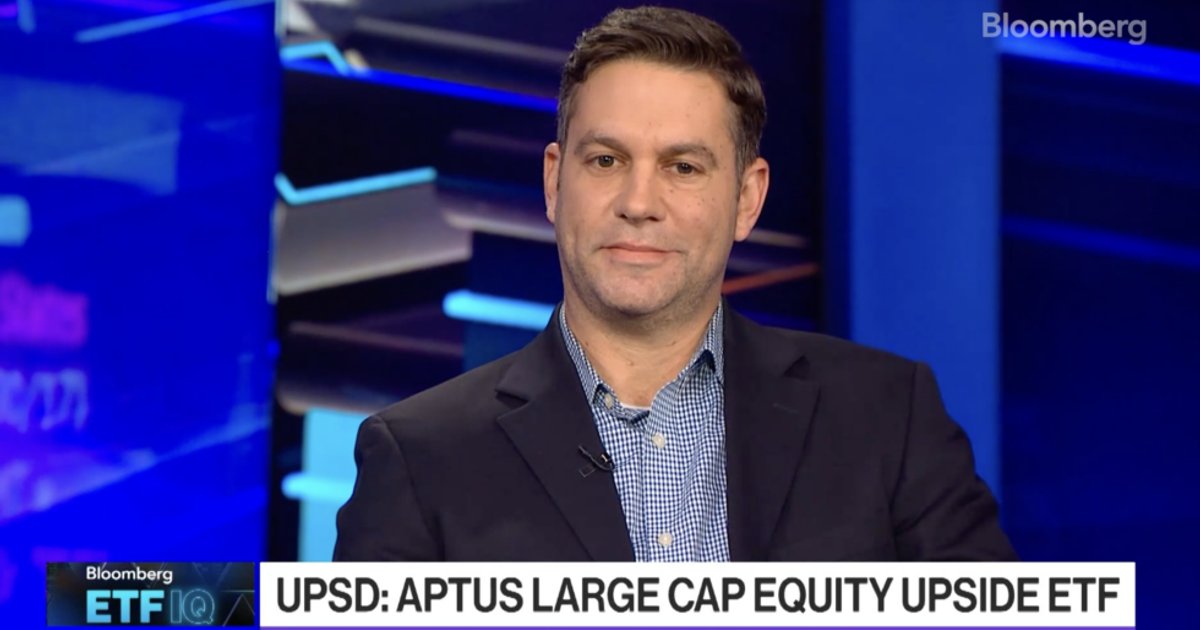
In this week's episode of 'Bloomberg ETF IQ', host Scarlett Foo tests the knowledge of guests Isabel Lee, Athanasios Psarofagis, and Eric Balchunas on exchange-traded funds (ETFs). The quiz aims to enhance public understanding of these financial instruments.
Exchange-traded funds (ETFs) are among the most popular financial tools in modern financial markets, providing investors with easy and efficient access to a diverse range of financial assets. In this context, the program highlights the importance of knowledge and a deep understanding of these tools, especially amid the rapid changes occurring in the markets.
Event Details
The IQ challenge conducted by Scarlett Foo includes a series of questions related to ETFs, how they operate, and the best strategies for investing in them. The quiz aims to measure participants' understanding of concepts such as costs, liquidity, and the historical performance of these funds.
This type of quiz is part of ongoing efforts to enhance financial literacy among investors, as good knowledge can lead to better investment decisions. The program also provides viewers with the opportunity to learn from experts in the field.
Background & Context
ETFs were established in the early 1990s and have since experienced significant growth in popularity. These funds are an effective means of diversifying an investment portfolio, allowing investors to purchase a single share of a fund that contains a wide array of stocks or bonds.
The importance of ETFs is increasing in light of global economic changes, as many investors seek new ways to invest in financial markets. In recent years, these funds have seen substantial cash inflows, reflecting investor confidence in this tool.
Impact & Consequences
As the use of ETFs continues to rise, experts expect these tools to keep influencing financial markets. Increased awareness and knowledge about these funds could lead to a rise in the number of individual investors, thereby enhancing market liquidity.
Understanding how ETFs work can also help investors make more informed investment decisions, reducing potential risks. In this context, financial education is essential to ensure investors succeed in this field.
Regional Significance
In the Arab region, ETFs have begun to gain increasing popularity, as many countries strive to develop their financial markets. Enhancing financial literacy among Arab investors is vital to support economic growth.
ETFs can contribute to attracting foreign investments, which enhances the stability of financial markets in the region. Additionally, understanding these tools can help Arab investors capitalize on opportunities available in global markets.
In conclusion, the growing interest in ETFs reflects a broader trend towards improving financial literacy and investment strategies among individuals, paving the way for more informed and confident investors.