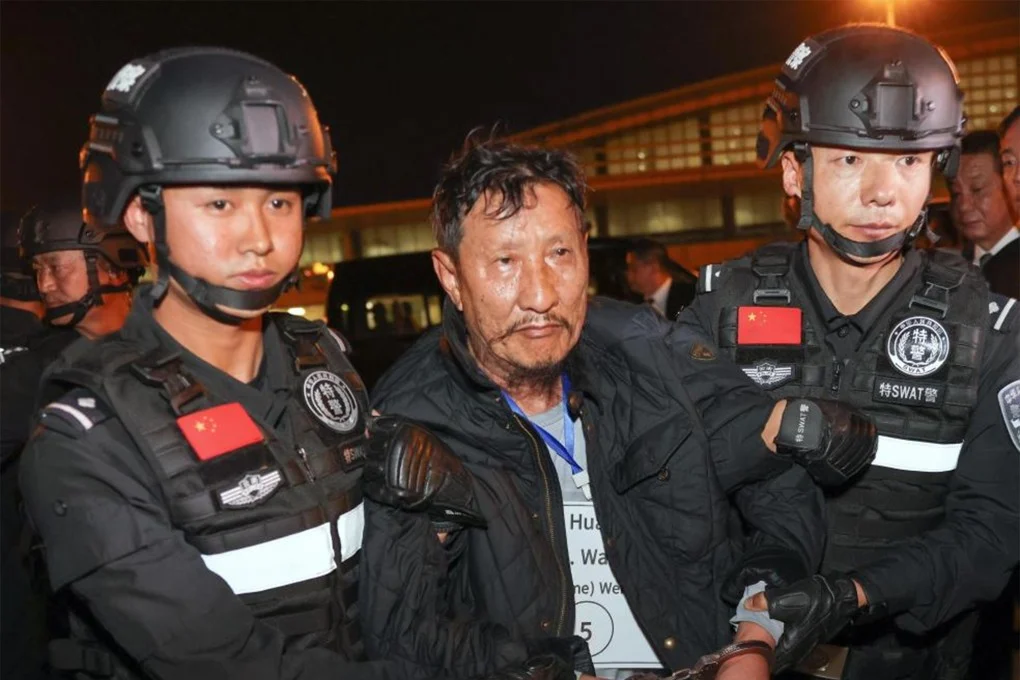
The trial of the Wei family, known for their criminal activities, commenced this week in Myanmar, where they face serious charges including fraud, murder, extortion, and organizing illegal border crossings. This trial is part of a comprehensive campaign by the Chinese government against fraud networks operating across borders, which have increasingly posed a threat to security and stability in the region.
According to Chinese media reports, the main defendant, Wei Huairen, also known as Wai San, is considered the leader of a criminal gang operating in the Kokang region of Myanmar. This man and his family have exploited their military and political influence in that area since 2019, enabling them to carry out their criminal operations without fear of punishment.
Details of the Charges
The charges against the Wei family involve a range of serious crimes, as they are alleged to have organized complex fraud schemes targeting victims from various countries. Investigations have revealed that the gang used sophisticated methods to lure victims, including the creation of fake companies and making false promises of substantial financial returns.
The accusations also include the use of violence and intimidation against anyone who opposes them or attempts to report their activities. This has created a climate of fear in the region, where local residents are afraid to speak out against them.
Background & Context
Myanmar is considered one of the countries suffering from political and economic instability, making it a fertile ground for organized crime activities. Since 2019, the country has witnessed a rise in cross-border fraud, prompting the Chinese government to take strict measures against these networks.
Historically, the Kokang region has been known for the presence of armed groups and ethnic conflicts, contributing to the proliferation of organized crime. With increasing international pressure on China to halt these activities, the Chinese government has become more resolute in combating these phenomena.
Impact & Consequences
The trial of the Wei family is a significant step in China's efforts to combat organized crime, and it may have substantial implications for relations between China and Myanmar. A successful trial could strengthen Beijing's position in the region and demonstrate its ability to control criminal activities.
On the other hand, this campaign could exacerbate conditions in Myanmar, as tensions may rise between armed groups and local authorities. Additionally, increasing pressure on the government could worsen humanitarian crises in the country.
Regional Significance
These events are particularly important for the Arab region, where combating organized crime is one of the pressing issues facing many countries. Arab nations could benefit from China's experience in dealing with these phenomena, especially amidst rising security threats.
Furthermore, international cooperation in combating organized crime could contribute to enhancing security and stability in the region, positively impacting the economy and development.
In conclusion, the trial of the Wei family represents an important step in the fight against organized crime and highlights the challenges faced by countries in this context. The international community must work together to address these phenomena and achieve security and stability.