U.S. President Donald Trump and Israeli Prime Minister Benjamin Netanyahu engaged in an extensive phone call last night, focusing on the escalating tensions in Iran. This call comes at a sensitive time, with increasing concerns about the presence of mines in the Strait of Hormuz, which could impact navigation in one of the world's most vital maritime corridors.
French Defense Minister Catherine Colonna confirmed in her statements that France remains uncertain about the existence of mines in the strait, following U.S. media reports indicating the detection of at least 10 mines in the area. Colonna noted that France is preparing to remove potential mines, having dispatched mine sweepers to the region as part of a possible French-British-led mission.
Details of the Incident
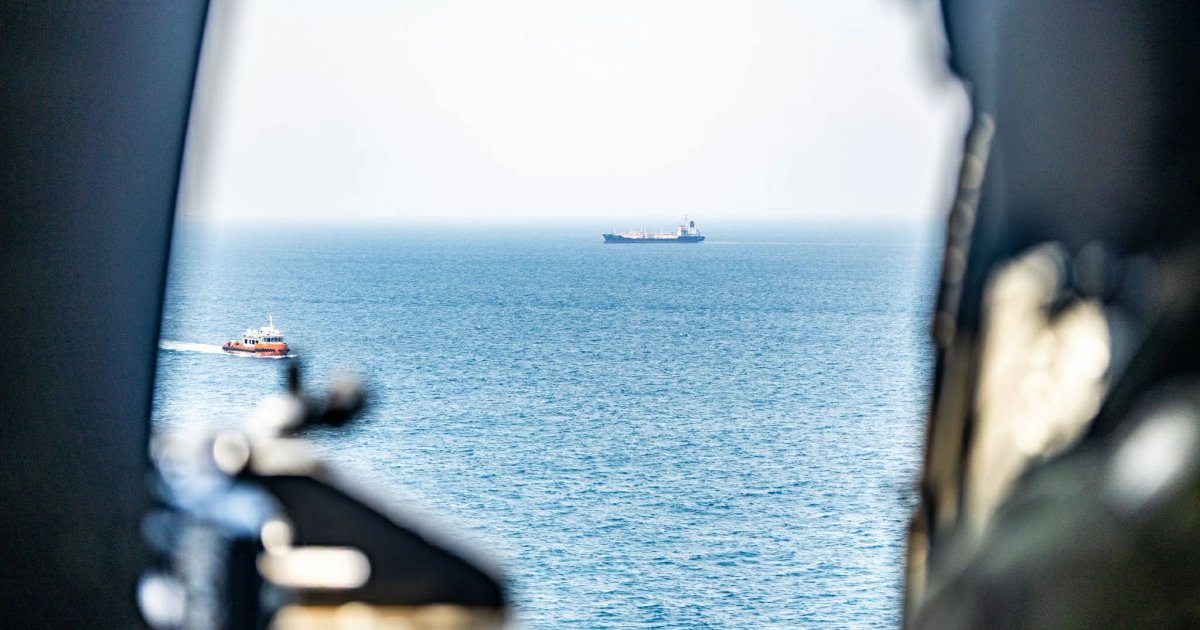
In related developments, three giant oil tankers crossed the Strait of Hormuz today, carrying approximately 6 million barrels of crude oil from the Middle East. According to shipping data from the London Exchanges and Kepler, two giant Chinese tankers carrying 4 million barrels of oil left the strait after waiting for more than two months in the Gulf.
On another note, South Korean Foreign Minister Choo Hyun announced in a parliamentary hearing in Seoul that a South Korean oil tanker is crossing the Strait of Hormuz in cooperation with Iranian authorities, reflecting the complexities of the situation in the region.
Background & Context
These developments come at a critical time as tensions between the United States and Iran escalate, amid fears of potential military escalation. U.S. Vice President J.D. Vance had previously stated that a war with Iran would not turn into an eternal conflict, indicating that the United States would complete its missions and return home. This statement reflects an American strategy aimed at protecting long-term security interests.
Tensions in the region are not new; recent years have seen an escalation in conflicts between Iran and the United States, affecting regional stability and increasing fears of new conflicts erupting.
Impact & Consequences
The current escalation could have significant implications for regional and international security, as any military escalation in the Strait of Hormuz could impact global oil prices and heighten tensions among major powers. Additionally, the presence of mines in the strait could disrupt navigation and lead to economic crises in oil-dependent countries.
It is also important to monitor international reactions, especially from European countries seeking to maintain stability in the region. French-British movements indicate a growing European interest in addressing security threats in the area.
Regional Significance
For Arab countries, the rising tensions in the Strait of Hormuz represent a direct threat to security and stability. Many Gulf states heavily rely on oil exports through this strait, making them vulnerable to any military or security escalation.
In conclusion, the situation in the Strait of Hormuz remains under close observation, as any new developments could significantly affect regional and international security, necessitating a swift and effective response from the international community to resolve conflicts through diplomatic means.