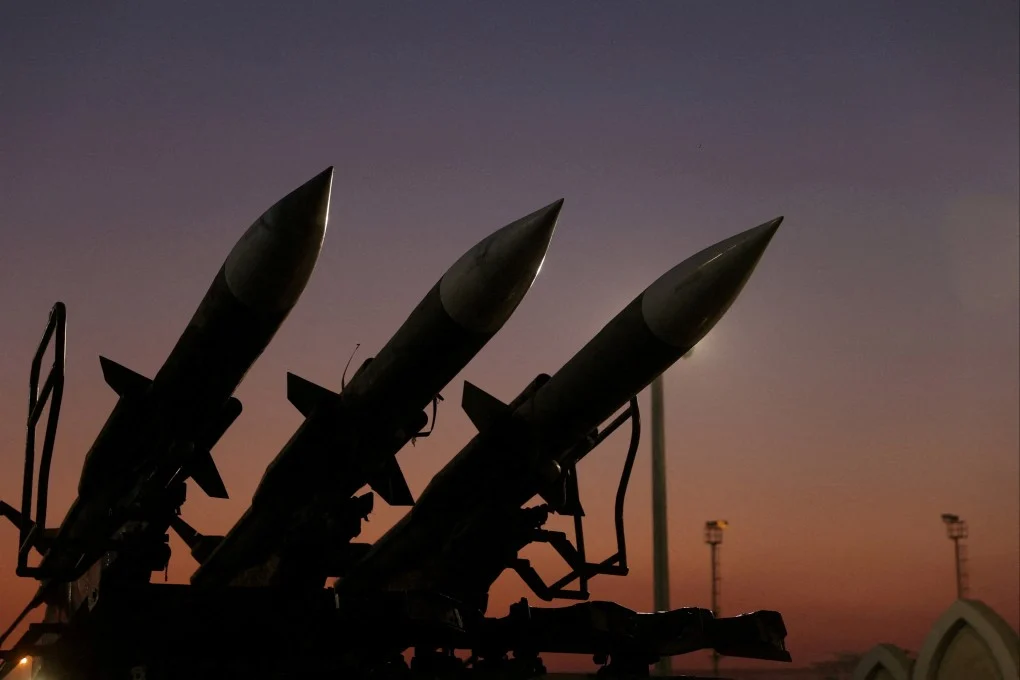
U.S. President Donald Trump has threatened to impose tariffs of up to 50% on countries that supply arms to Iran. This threat was made in a social media post, where he confirmed that any country providing military weapons to Iran would face these tariffs on all goods sold to the United States, effective immediately and without exceptions.
This announcement reflects Trump's hardline policy towards Iran. While Trump did not specify which countries would be affected by these tariffs, he indicated that these measures are part of the United States' efforts to curb Iranian military activities, which are viewed as a threat to regional and international security.
Details of the Announcement
Earlier on Wednesday, Trump tweeted again, suggesting that the United States and Iran would work closely together, raising questions about the seriousness of this cooperation amid ongoing tensions between the two countries. These statements come at a sensitive time, as concerns grow over escalating conflict in the region.
This move is part of Trump's broader strategy to pressure Iran, especially following the U.S. withdrawal from the nuclear agreement in 2018. The tariffs are expected to escalate tensions between the United States and the countries that may be affected, complicating the geopolitical landscape in the region.
Background & Context
Historically, relations between the United States and Iran have been strained, particularly since the Islamic Revolution in 1979. Since then, the U.S. has imposed a series of sanctions on Iran, including restrictions on trade and arms. In recent years, these sanctions have significantly increased, impacting the Iranian economy and deteriorating relations between Tehran and Washington.
These threats come in the context of broader regional tensions, as Iran seeks to enhance its influence in the Middle East, causing concern among neighboring countries and the United States. There are also fears that these policies could escalate military conflict in the region, especially with other regional powers like Saudi Arabia and Israel, which view Iran as a direct threat to their security.
Impact & Consequences
The tariffs are expected to have significant economic and political repercussions. Economically, these tariffs could impact international trade, affecting companies that deal with Iran either directly or indirectly. Additionally, this move may provoke reactions from the affected countries, increasing trade tensions between the United States and the rest of the world.
Politically, these measures could strengthen alliances among countries opposing U.S. policies, complicating international relations further. This step may also escalate conflict in the region, as Iran may feel compelled to respond to these threats in various ways, increasing the likelihood of armed conflicts.
Regional Significance
For the Arab region, these threats could directly impact security and stability. Arab countries, especially those sharing borders with Iran, may feel heightened anxiety over escalating tensions. Furthermore, these policies could lead to increased divisions within the region, as some countries may take pro-Iran stances while others adopt opposing views.
In conclusion, this announcement from Trump represents a new step in the ongoing conflict between the United States and Iran, highlighting the challenges facing the region amid rising tensions. Arab nations must remain vigilant regarding these developments and work to enhance their stability and security in the face of these challenges.