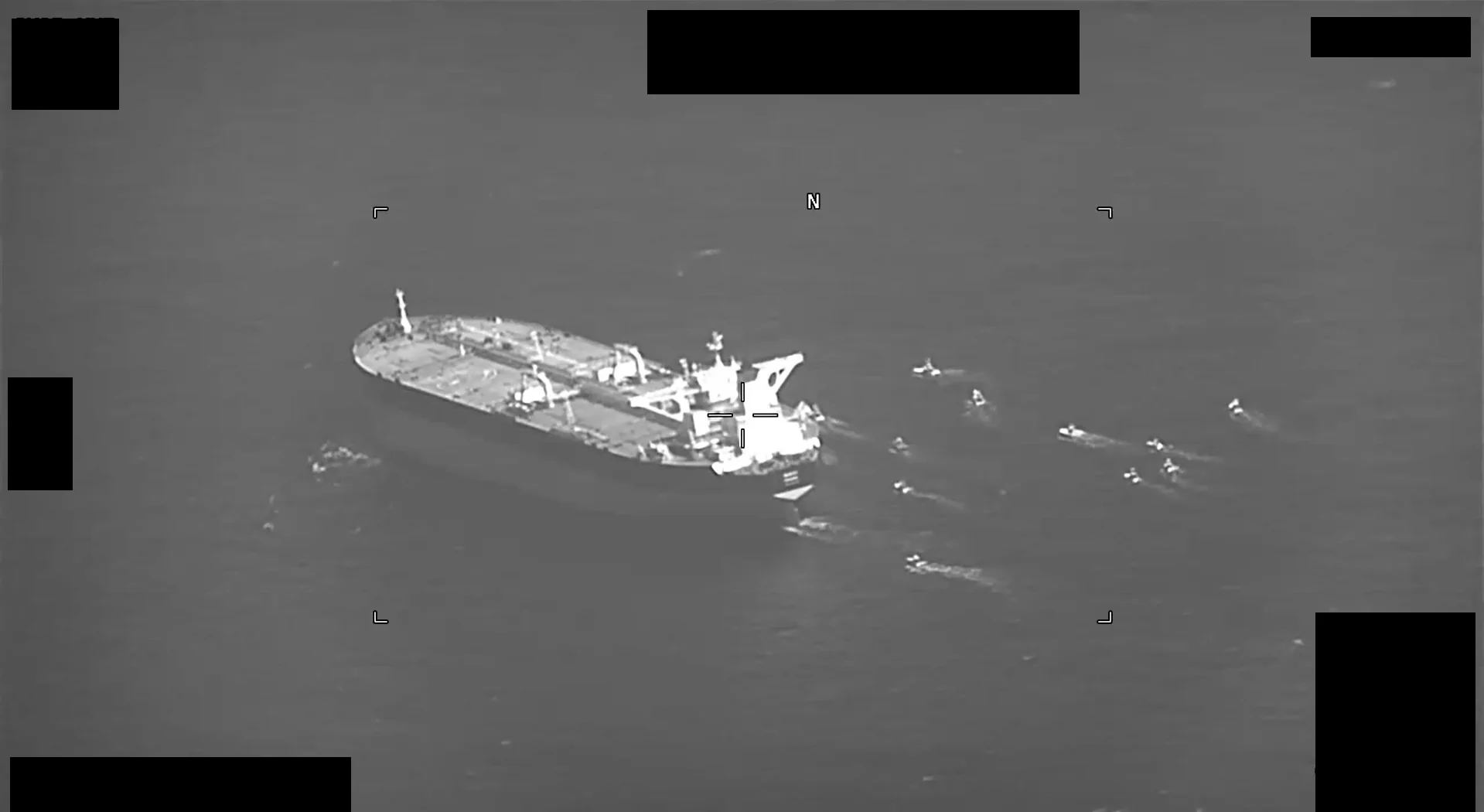
The U.S. Central Command announced that the threat posed by Iran to maritime navigation has ended, following the destruction of 92% of its naval fleet. This announcement is part of the United States' efforts to enhance maritime security in the region and reflects a significant shift in the balance of power in the territorial waters.
This move is seen as a strategic victory for the United States and its allies, as Iran had previously used its naval fleet to threaten international shipping, particularly in the Strait of Hormuz, a vital transit point for oil and gas. These threats had raised concerns within the international community, prompting the United States to take military action to counter this danger.
Details of the Event
According to reports, the military operations conducted by U.S. forces resulted in the destruction of a significant number of Iranian warships, thereby reducing Iran's capacity to carry out any hostile maritime operations. These operations were carried out in coordination with U.S. allies in the region, reflecting military coordination among the concerned nations.
This announcement coincided with escalating tensions in the relations between Iran and the United States, where there were fears of potential military escalation. However, the destruction of such a large number of Iranian ships may contribute to calming the situation at sea, at least for the time being.
Background & Context
Historically, Iran has used its naval fleet as a means to exert pressure on Western countries, especially under the economic sanctions imposed on it. In recent years, there have been several maritime incidents, including the detention of commercial vessels, which have heightened tensions in the region.
The Strait of Hormuz is a strategic point, through which approximately 20% of the world's oil passes. Therefore, any threat to navigation in this area directly impacts the global economy, making it essential for major powers to take action to protect their interests.
Impact & Consequences
The destruction of 92% of Iran's naval fleet may lead to fundamental changes in Iran's military strategy. Iran may be compelled to reassess its maritime policy, and these changes could affect its ability to conduct military operations in the future.
On the international stage, this development may strengthen the position of the United States and its allies in the region, potentially contributing to improved maritime security. However, caution is warranted, as Iran may resort to other methods to confront this challenge, such as increasing its activities in other domains.
Regional Significance
For Arab countries, the end of the Iranian threat to maritime navigation may contribute to enhancing stability in the region. Gulf states, which heavily rely on maritime navigation for transporting their oil exports, may feel greater relief following this announcement.
However, Arab countries must remain vigilant, as tensions between Iran and the United States may continue to affect the security situation in the region. It is crucial for Arab nations to work on strengthening their defensive capabilities to ensure the protection of their interests.
In conclusion, this development represents a turning point in the maritime conflict in the region and may have far-reaching effects on international relations and regional security.