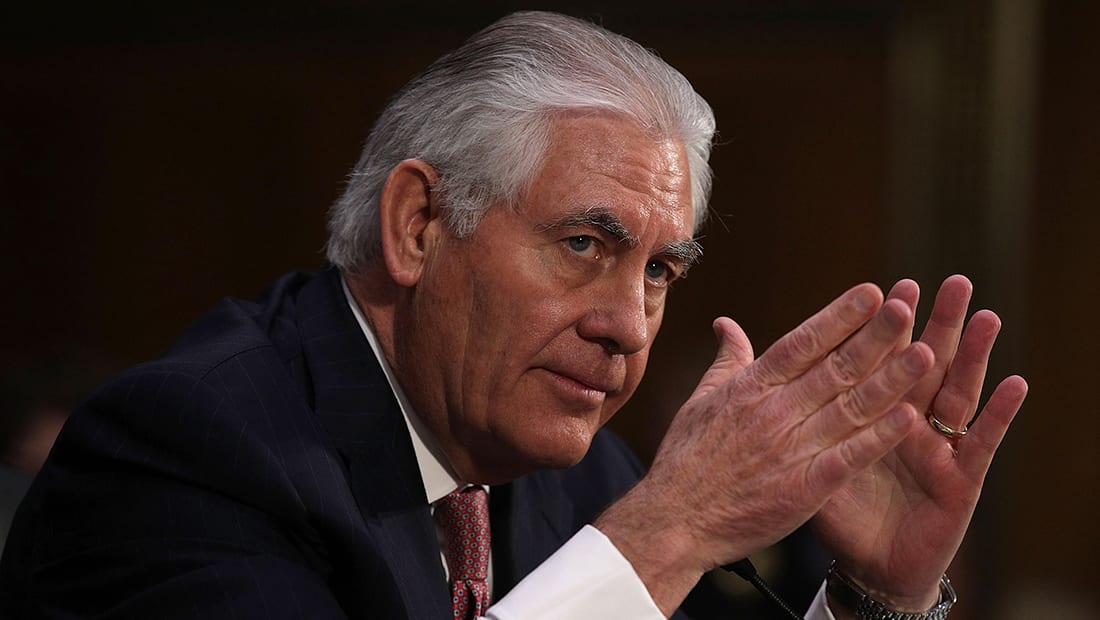
Republican Senator Ted Budd from North Carolina reported that the U.S. Congress is seeking additional information about the strategic objectives of the U.S. administration regarding Iran. He stressed that the U.S. president needs flexible options to deal with the Iranian regime, which he described as needing to be "stripped of its fangs."
Budd, who serves as a member of the Senate Armed Services Committee, noted that the U.S. administration has provided "outlines" of its goals related to the conflict with Iran, both to the American public and to members of Congress. These statements come at a sensitive time as tensions in the region are escalating, necessitating precise strategic decisions.
Details of the Event
Pressure is mounting on the U.S. administration to define its strategy towards Iran, especially amidst the multiple crises the region is experiencing. Senator Budd indicated that Congress is looking for more transparency regarding future plans, reflecting the growing concern about Iran's influence in the Middle East.
Budd also addressed the ongoing negotiations regarding funding for the Department of Homeland Security, pointing out that Democrats have withdrawn from two different projects to fund the department and pay the salaries of Transportation Security Administration employees. These issues reflect the political challenges facing the administration domestically, which may affect its ability to take effective actions against Iran.
Background & Context
Historically, U.S.-Iranian relations have been tense since the Islamic Revolution in 1979, with the United States taking several steps to limit Iran's influence in the region. Since then, relations have escalated into crises, including economic sanctions and proxy wars in countries like Iraq and Syria.
In recent years, tensions have significantly increased, especially after the U.S. withdrawal from the Iranian nuclear deal in 2018. This decision led to an escalation of Iranian military activities in the region, raising American and international concerns about Iran's nuclear program and its support for armed groups.
Impact & Consequences
The tense situation in the Middle East requires a strategic response from the United States, as "stripping Iran of its fangs" is a challenging goal that necessitates international and regional coordination. Any steps taken by the U.S. administration against Iran could lead to an escalation of the situation, threatening stability in the region.
Moreover, any changes in U.S. policy towards Iran could affect relations with Washington's allies in the region, such as Saudi Arabia and Israel, who view Iran as a major threat to their security. Therefore, any moves by the U.S. administration must consider the potential reactions from these countries.
Regional Significance
The Arab countries in the Gulf region are among the most affected by the tensions between the United States and Iran. Recent statements from Senator Budd suggest that the U.S. administration may adopt a more hardline policy towards Iran, potentially leading to increased tensions in the region.
If new strategies against Iran are implemented, this could impact regional security and affect oil prices and trade in the area. Additionally, any escalation could have humanitarian and economic repercussions on Arab countries, especially those suffering from internal crises.
In conclusion, U.S.-Iranian relations remain pivotal in determining the future of stability in the Middle East. As tensions rise, the question remains how the U.S. administration will handle this complex issue and whether it can achieve its objectives without exacerbating the situation in the region.