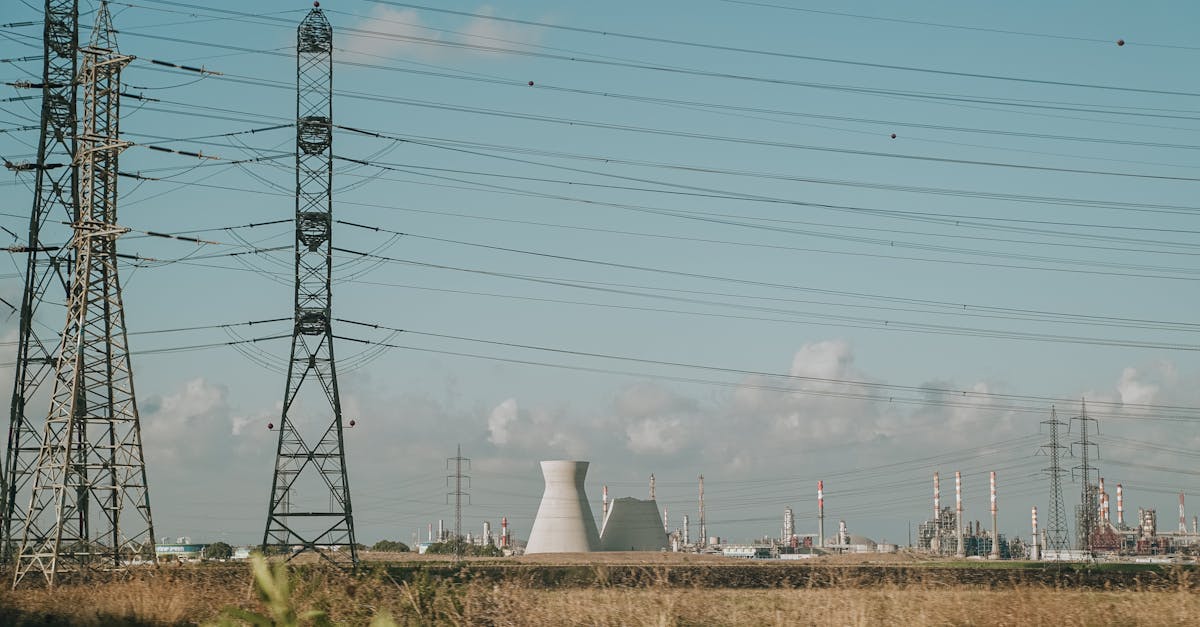
On Monday, the United States and Israel launched airstrikes targeting a petrochemical complex near Shiraz in southern Iran. These strikes come at a sensitive time as relations between Tehran and Washington are increasingly strained, particularly amid ongoing regional crises.
This attack is part of the pressure policy the United States is pursuing against Iran, which it accuses of supporting armed groups in the region. These operations have escalated tensions between the two sides, as Iran consistently responds to any aggressions with threats of retaliation.
Details of the Incident
According to military sources, the US-Israeli strikes targeted a vital petrochemical production facility, resulting in significant damage to the complex. The number of casualties or human damage has not yet been announced, but initial reports indicate that the strikes were precise and focused.
These airstrikes come at a critical juncture, as Iran recently announced an increase in its oil and gas production, which poses a challenge to the sanctions imposed on it. Satellites detected unusual movements at the targeted complex prior to the strikes, suggesting potential preparations by Iranian forces.
Background & Context
Historically, relations between Iran and the United States have seen increasing tensions since Washington's withdrawal from the nuclear agreement in 2018. Since then, the United States has imposed strict sanctions on Iran, negatively impacting its economy. In response, Iran seeks to enhance its influence in the region by supporting armed groups in Iraq, Syria, and Lebanon.
Shiraz, located in southern Iran, is a strategic city that houses many important industrial facilities. Therefore, targeting these installations reflects a military strategy aimed at weakening Iran's ability to support its military activities in the region.
Impact & Consequences
These airstrikes may lead to further escalation in the conflict between Iran and the United States, with expectations that Iran will respond strongly to these aggressions. Iranian officials have warned that any attack on their territory will be met with a harsh response.
Moreover, these events could impact global oil markets, potentially causing an increase in oil prices due to heightened tensions in the Gulf region. The military escalation may also lead to greater international interventions, complicating the situation further.
Regional Significance
Neighboring Arab countries are on high alert, as any escalation in the conflict could affect their stability. Countries like Iraq, Syria, and Lebanon may find themselves in the crossfire, especially if Iran decides to respond militarily to the strikes.
Additionally, these events may affect relations between Arab countries and Iran, as concerns over increasing Iranian influence in the region may prompt intensified cooperation among Arab states to address these challenges.
In conclusion, the situation in the region remains tense, and the recent airstrikes are likely to complicate the regional landscape further, necessitating close monitoring by the international community.