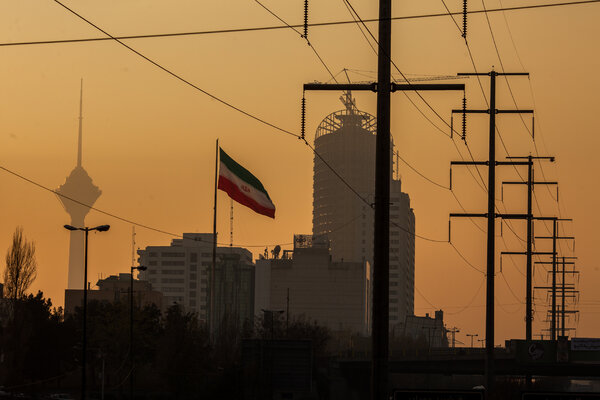
The ongoing war in Iran is causing significant disruption to gas supplies, prompting importing countries to seek alternatives to secure their basic needs. In this context, the United States, the world's largest gas exporter, is preparing to capitalize on this situation in the short term.
Concerns are rising in European and Asian countries about their reliance on Iranian gas, as these nations strive to secure alternative energy sources. With escalating tensions, many of these countries are turning towards investing in renewable energy as a strategic option to reduce dependence on fossil fuels.
Event Details
Reports indicate that the war in Iran has significantly curtailed gas supplies, impacting global markets. Importing countries, which have heavily relied on Iranian gas, find themselves in a difficult position, prompting them to search for alternative options. In this context, the United States emerges as a key option, possessing the capability to supply these countries with liquefied natural gas.
European countries, in particular, are seeking to reduce their dependence on Russian and Iranian gas, thereby enhancing the prospects for American gas in global markets. The United States has shown readiness to meet these increasing demands, reflecting a shift in the dynamics of the global energy market.
Background & Context
Historically, Iran has been one of the largest gas producers in the world, exporting large quantities to neighboring countries and Europe. However, economic sanctions and recurring wars have led to a significant decline in its production capacity. In recent years, Iran has faced internal and external conflicts that have affected its political and economic stability, complicating the energy landscape in the region.
Conversely, the United States has been working to enhance its natural gas production, becoming one of the largest producers globally. This shift in American production has resulted from substantial investments in shale gas extraction technologies, enabling it to meet the needs of the global market.
Impact & Consequences
Many studies predict that this disruption in gas supplies will accelerate the transition towards renewable energy. Countries that have relied on Iranian gas will find themselves compelled to invest in alternative energy sources such as solar and wind power. This transition could contribute to achieving sustainability goals and reducing carbon emissions, benefiting the environment.
Moreover, this situation may create new opportunities in the renewable energy market, as companies will seek to invest in clean energy projects. This shift could lead to the creation of new jobs and enhance innovation in this sector.
Regional Significance
For the Arab region, this shift in energy dynamics could significantly impact economies that rely on oil and gas exports. Oil-producing countries in the Arabian Gulf may face new challenges due to changing energy demand. At the same time, there may be new opportunities for countries investing in renewable energy, enhancing the diversification of their economies.
In conclusion, the war in Iran appears to be a turning point in the global energy landscape, pushing countries towards seeking more sustainable alternatives. This transition could have far-reaching effects on the global economy and reshape energy strategies in many nations.