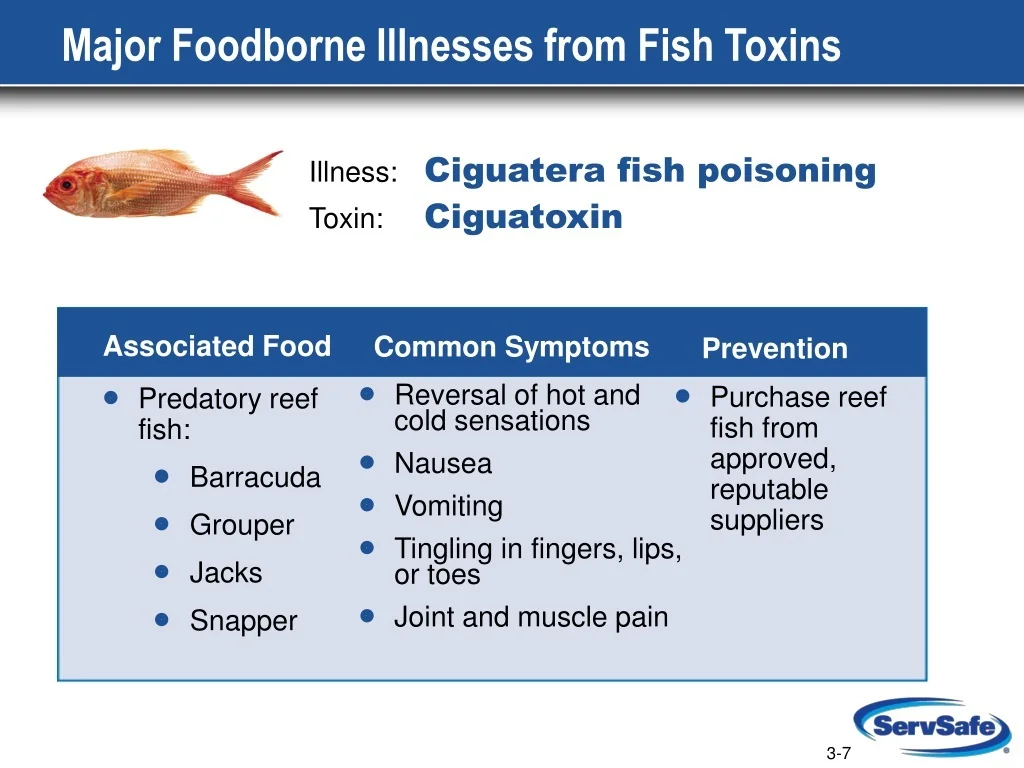
Food safety consultant, Dr. Ahmed Abdullah, has issued a warning that consuming feseekh, a type of salted fish, may lead to poisoning due to the presence of a toxic substance known as botulinum toxin. He emphasized that this toxin is among the most dangerous poisons that can result in death if not handled with caution.
Abdullah pointed out that feseekh is prepared using traditional methods that may not ensure its safety, increasing the risk of food poisoning. He explained that symptoms resulting from consuming contaminated feseekh include nausea, vomiting, dizziness, and in severe cases, paralysis.
Details of the Warning
With the popularity of feseekh as a traditional meal during holidays and celebrations, Abdullah urged consumers to exercise caution when purchasing this type of fish. He stressed the importance of verifying the source of feseekh and the methods used in its preparation, noting that improperly prepared feseekh can be lethal.
He also mentioned that feseekh should be stored at appropriate temperatures and consumed within a specific timeframe after preparation to avoid any health risks. Abdullah highlighted the necessity of community awareness regarding the dangers of consuming unsafe feseekh.
Background & Context
Feseekh is considered part of the culinary heritage in many Arab countries, especially in Egypt, where it is widely consumed during holidays and special occasions. However, the increasing warnings about the risks associated with its consumption indicate a need to reconsider its preparation and storage methods.
Historically, feseekh was regarded as a traditional food prepared at home, but with rising health awareness, many have begun to seek safer alternatives. In recent years, there has been an uptick in poisoning cases linked to feseekh, prompting health authorities to intervene and educate the public.
Impact & Consequences
The warnings regarding feseekh consumption may lead to a decline in its consumption, which could impact local industries reliant on its production. Additionally, heightened awareness about the dangers of feseekh may drive consumers to seek safer and healthier food options.
On the other hand, these warnings could bolster health authorities' efforts to educate the community about the importance of food safety, potentially leading to improved public health standards in the country.
Regional Significance
The risks associated with feseekh extend beyond Egypt, as it is part of the culinary culture in many Arab countries. Therefore, warnings about the dangers of consuming feseekh could influence dietary habits across the entire region.
In light of the increasing cases of food poisoning in the area, Arab countries must enhance their efforts in food safety and implement strict standards to ensure consumer health.
In conclusion, given the rising warnings about the dangers of consuming feseekh, consumers should be more aware and diligent in choosing safe foods. Health authorities should also intensify their efforts to raise awareness about the risks of traditional foods and how to prepare them safely.