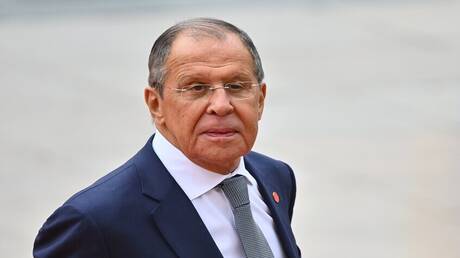
Russian Foreign Minister Sergey Lavrov stated that Western propaganda is making significant efforts to distort the facts surrounding the Russian military operation in Ukraine. Lavrov explained that these attempts aim to influence international public opinion and present a distorted image of the situation in the region.
Lavrov pointed out that the West is using the media as a tool to spread lies, complicating the situation in Ukraine further. He noted that Russia is working to clarify the facts and provide accurate information regarding the progress of military operations.
Details of the Event
Lavrov's statements come at a sensitive time as Ukraine is experiencing an escalation in conflict, with Russian military operations continuing in various areas. These operations have sparked mixed reactions from the international community, with some countries accusing Russia of violating international laws.
Lavrov also affirmed that Russia will continue to defend its national interests, stressing that military operations aim to protect Russian national security. He clarified that the West seeks to weaken Russia by disseminating misleading information.
Background & Context
The history of the conflict in Ukraine dates back to 2014 when Russia annexed the Crimea peninsula, leading to heightened tensions between Russia and the West. Since then, the region has witnessed ongoing conflicts, with Ukraine accusing Russia of supporting separatists in the eastern part of the country.
Through its military operations, Russia aims to achieve strategic goals related to national security, while Western countries are attempting to impose sanctions on Moscow to pressure it. These dynamics contribute to complicating the political landscape in the region.
Impact & Consequences
Analyses indicate that the ongoing conflict in Ukraine may exacerbate humanitarian and economic crises in the region. Additionally, military escalation could affect international relations, particularly between Russia and Western countries.
Concerns are growing that these conditions could lead to broader conflicts, negatively impacting stability in Europe. Economic repercussions may include rising energy prices and the cost of essential goods.
Regional Significance
For the Arab region, the conflict in Ukraine could impact food security, as Ukraine is one of the largest grain exporters in the world. Any disruptions in production or export could lead to price increases in Arab markets.
Moreover, geopolitical tensions may influence Arab countries' strategies in dealing with major powers, necessitating a reassessment of relationships and alliances in light of these changing circumstances.
The situation in Ukraine remains a focal point of global interest, with increasing concerns about the implications of the conflict on security and stability in the region and the world. Russia continues to assert its position, while Western countries strive to highlight what they consider violations.