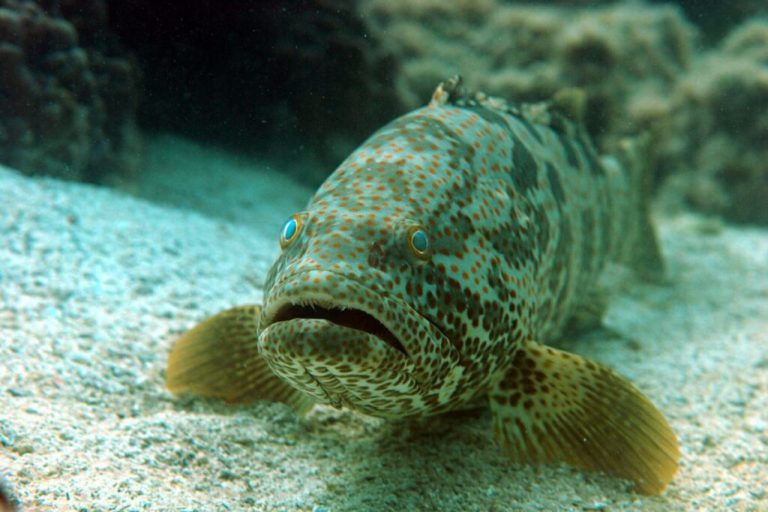
The Abu Dhabi Department of Economic Development has announced a ban on fishing and trading two species of fish during the period from April 1 to April 30. This decision aims to protect the marine environment and ensure the sustainability of marine resources, as the UAE government continues its efforts to preserve biodiversity in its territorial waters.
This step is part of a series of environmental measures adopted by the UAE, aimed at raising environmental awareness among citizens and residents. The department confirmed that this ban includes all activities related to the fishing and trading of the specified species, with strict penalties imposed on violators.
Details of the Ban
The Department of Economic Development clarified that the ban includes two species of fish that are suffering from declining populations, necessitating immediate action for their protection. These two species were identified based on scientific studies that showed a significant decrease in their numbers in recent years.
The department also emphasized that this decision aligns with the UAE's commitment to achieving sustainable development goals, particularly the goal related to conserving life below water. The government is working to promote sustainable practices across all sectors, including fisheries.
Background & Context
Historically, the UAE has heavily relied on fishing as a primary source of food and economic activity. With increasing pressures on the marine environment due to climate change and human activity, it has become essential to take steps to protect these resources. In recent years, there has been a rise in environmental awareness, prompting the government to adopt stricter measures to safeguard the marine environment.
This initiative is part of a comprehensive strategy aimed at enhancing environmental sustainability in the UAE, where numerous initiatives have been launched to protect marine life, including coral reef rehabilitation programs and the planting of marine vegetation.
Impact & Consequences
This ban is expected to have a positive impact on the marine environment, contributing to the increase in populations of the banned species and improving the overall health of the ecosystem. Additionally, these measures may encourage the development of more sustainable fishing methods, benefiting the local community and economy.
Furthermore, enhancing environmental awareness among citizens and residents will help achieve long-term environmental protection goals. This ban is seen as a step towards balancing economic activities with environmental conservation.
Regional Significance
Abu Dhabi's experience in banning the fishing and trade of two species of fish serves as a model for the Arab region. Many Arab countries face similar challenges related to preserving biodiversity in their seas. This step could inspire other nations to adopt similar policies to protect their marine resources.
In light of global environmental challenges, the UAE demonstrates a clear commitment to environmental protection, reflecting the importance of collective action in addressing these issues. Strengthening regional cooperation in marine environmental protection can contribute to achieving positive outcomes across the region.