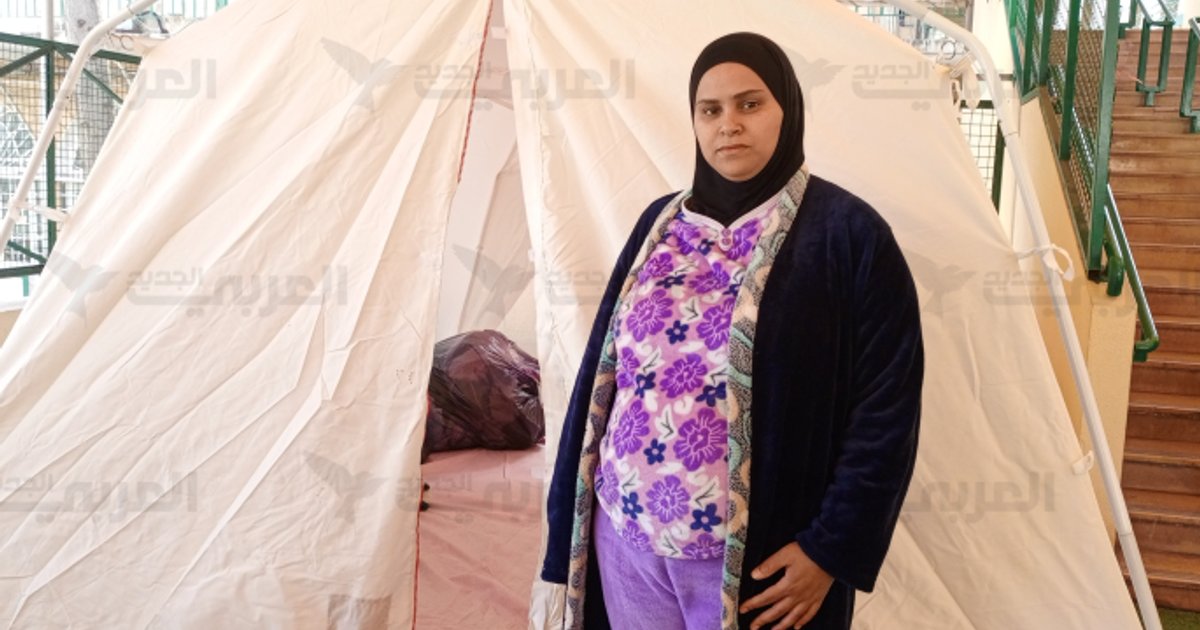
Pregnant refugees in Lebanon are experiencing deteriorating health conditions, as shelters lack the necessary health measures to assist them. In the absence of official plans and emergency responses, the fate of these women and their children remains in constant jeopardy, exacerbating their daily suffering.
The health risks faced by pregnant women in these shelters are increasing, as adequate medical care is unavailable, threatening their safety and that of their children. Reports indicate that many of these women suffer from malnutrition and inadequate healthcare, complicating their pregnancies.
Event Details
Statistics indicate that the number of refugees in Lebanon has significantly increased due to successive crises, including the Syrian conflict and economic turmoil. As the number of displaced individuals rises, the need for essential healthcare, particularly for pregnant women, becomes more pressing. However, the current reality reflects a clear inability to provide such care.
Reports show that shelters lack the necessary infrastructure, making it difficult for pregnant women to access appropriate medical care. Additionally, many women face further health risks due to harsh living conditions, such as overcrowding and a lack of basic resources.
Background & Context
Lebanon, which is grappling with escalating political and economic crises, has become a refuge for many displaced individuals from neighboring countries, particularly Syria. As the number of refugees increases, the Lebanese government faces significant challenges in providing essential services, including healthcare. This has exacerbated the health conditions of pregnant women, who are considered one of the most vulnerable groups in society.
Historically, Lebanon has welcomed refugees, but recurring crises have made it challenging for the government and relevant authorities to provide adequate support. This situation requires an urgent response from the international community to provide necessary assistance to pregnant displaced women.
Impact & Consequences
The health conditions of pregnant refugees directly affect the health of the children who will be born under these circumstances. A lack of healthcare and nutrition can lead to serious complications during pregnancy and childbirth, increasing the risk of maternal and infant mortality.
These conditions also impact the community as a whole, placing additional pressure on the already strained Lebanese healthcare system. If the situation continues as it is, it could exacerbate health and social crises in the country.
Regional Significance
The issue of refugees, particularly pregnant women among them, is one of the pressing humanitarian concerns in the Arab region. Recurring crises in neighboring countries, such as Syria and Iraq, lead to an increase in the number of displaced individuals, placing additional pressures on host countries like Lebanon.
The international community must collaborate to provide necessary support for refugees, especially pregnant women, to ensure their safety and that of their children. Addressing these issues is not merely a local responsibility but a collective obligation that requires concerted efforts at the regional level.
In conclusion, the situation of pregnant refugees in Lebanon demands urgent attention from all stakeholders involved. Providing necessary healthcare and psychological and social support can make a significant difference in the lives of these women and their children.