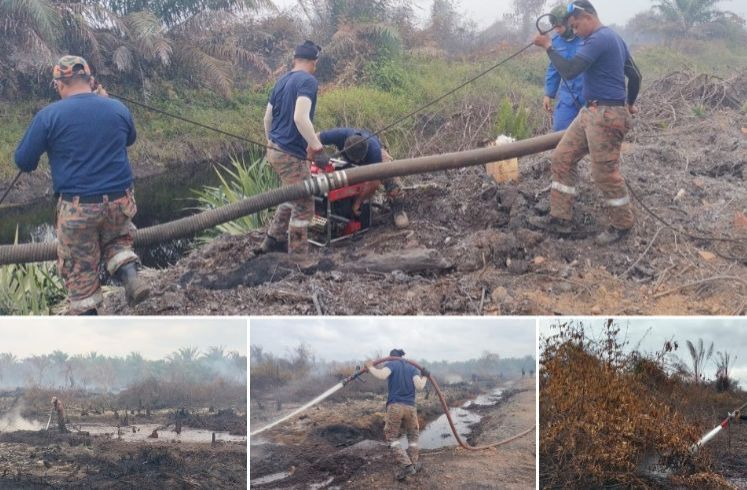
On March 29, air quality in Rompin, Malaysia, reached unhealthy levels, with the Air Pollution Index (API) hitting 152. This deterioration is linked to a fire that broke out at a palm oil farm, raising alarms among local residents and health authorities.
The fire at the farm resulted in thick smoke billowing into the atmosphere, adversely affecting air quality. Local authorities have warned of the health risks associated with exposure to high pollution levels, particularly for individuals with respiratory issues or chronic health conditions.
Details of the Incident
The fire caused smoke to spread over wide areas, leading to a noticeable decline in air quality. The Malaysian Environmental Department issued warnings to residents to take necessary precautions, such as staying indoors and wearing masks when outside. Firefighting teams were dispatched to the fire site to try to control it, but weather conditions hampered their efforts.
The palm oil farm in Rompin is one of the largest in the region, and its fire poses a threat not only to air quality but also to the surrounding environment. Experts have indicated that such fires can lead to biodiversity loss and destruction of natural habitats for many living organisms.
Background & Context
Malaysia is one of the largest producers of palm oil in the world, with this industry playing a vital role in the national economy. However, the expansion of palm oil cultivation often comes at the expense of forests, increasing the risk of fires. Historically, the country has witnessed numerous fires resulting from unsustainable farming practices, leading to environmental degradation and increased carbon emissions.
In recent years, there have been increasing efforts by the Malaysian government to curb these fires by implementing stricter laws on farmers. Nevertheless, challenges remain, as some farmers continue to use illegal methods for land clearing, resulting in widespread fires.
Impact & Consequences
The repercussions of the Rompin fire extend beyond the city, as poor air quality can affect public health over wide areas. Studies indicate that exposure to high levels of air pollution can lead to serious health issues, including heart and lung diseases.
Such incidents may also impact tourism, as tourists may avoid visiting areas affected by pollution. Additionally, local agriculture could suffer due to deteriorating air quality, leading to decreased agricultural productivity.
Regional Significance
Although the incident occurred in Malaysia, its impact could extend to the Arab region. Many Arab countries face similar issues related to air pollution, especially in major cities. Malaysia's experiences in dealing with farm fires and air pollution could serve as an important lesson for Arab countries on how to manage these crises.
In light of increasing environmental challenges, it becomes essential for Arab nations to adopt effective strategies to reduce pollution and protect the environment. International cooperation in environmental protection can contribute to improving air quality and reducing health risks associated with pollution.