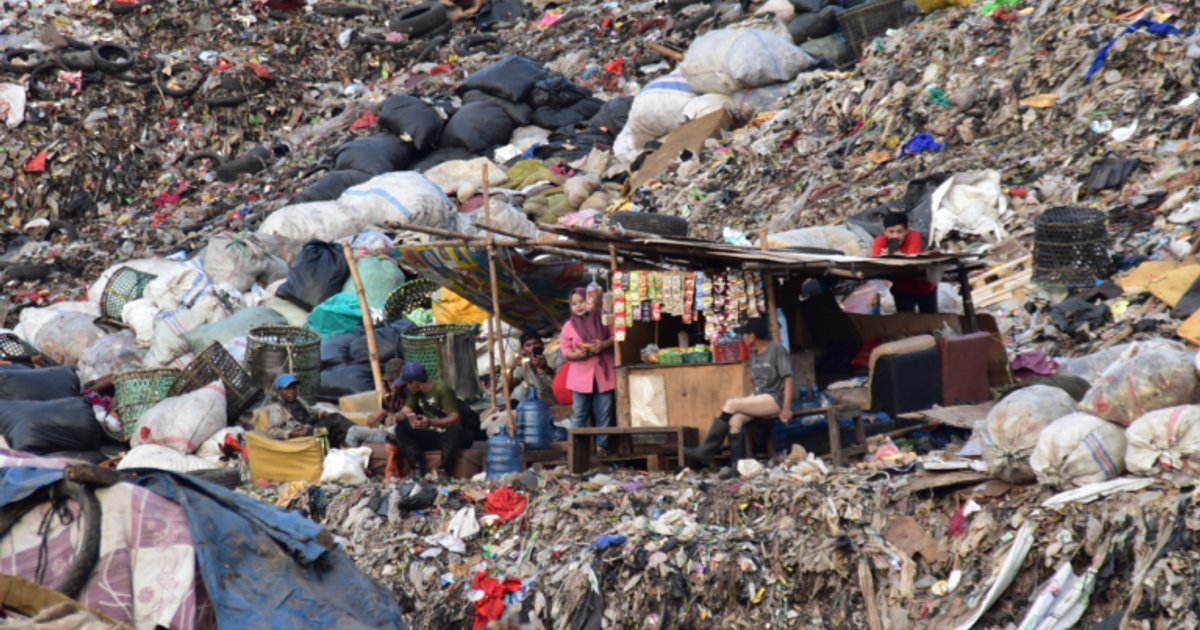
The Mayor of Solo, Risbati Ardi, has announced a special budget allocation to address the growing waste crisis in the city. This initiative comes at a time when Solo, considered one of the major cities in Indonesia, faces environmental challenges that require urgent solutions. The local government aims to improve the quality of life for citizens and enhance public health through this step.
The plan includes allocating funds to support recycling programs and raise environmental awareness among residents. The government will also work on developing new waste disposal infrastructure, contributing to pollution reduction and improving the overall appearance of the city. Ardi noted that these steps are part of the government's commitment to achieving sustainable development.
Details of the Initiative
The budget allocated for the waste issue encompasses several aspects, including improving waste collection services and expanding environmental awareness programs. The government will enhance cooperation with non-governmental organizations and the local community to achieve its goals. Several areas in the city have been identified as the most affected by the waste crisis, where efforts will be particularly focused.
This move is part of a broader strategy aimed at improving the urban environment in Solo. The mayor confirmed that these efforts will help boost local tourism, as the city is considered a popular tourist destination in Indonesia.
Background & Context
Historically, many Indonesian cities have faced significant challenges in waste management, leading to exacerbated pollution problems. Solo, like many other cities, is experiencing rapid population growth, increasing the volume of waste produced. This issue has negatively impacted the environment and public health, prompting the local government to take urgent action.
In recent years, Indonesia has seen increased efforts to improve waste management, including government initiatives and community projects. However, challenges remain, necessitating collaborative efforts between the government and civil society.
Impact & Consequences
This initiative is expected to improve the environmental situation in Solo, positively impacting citizens' health. Additionally, better waste management will enhance the city's reputation as a tourist destination, potentially attracting more visitors. Furthermore, these steps will contribute to raising environmental awareness among residents, leading to positive behavioral changes in waste management.
This move also serves as a model for other cities in Indonesia, potentially inspiring similar initiatives in other regions facing similar challenges. The success of this initiative could strengthen the government's capacity to address future environmental challenges.
Regional Significance
Waste management is a critical issue that many Arab countries also face, as major cities struggle with similar problems. Arab nations could benefit from Indonesia's experiences in this field by adopting effective waste management strategies and enhancing environmental awareness. Cooperation among countries in the environmental sector can contribute to achieving sustainable development.
In conclusion, this initiative represents an important step towards improving the environment in Solo and may inspire other cities worldwide, including those in the Arab region, to adopt similar strategies to tackle waste challenges.