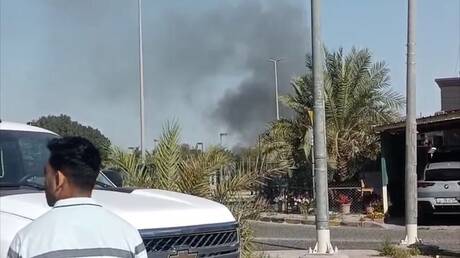
Nawaf Al-Sabah, the CEO of Kuwait Petroleum Corporation, reported that the measures taken to mitigate the impact of energy supply disruptions caused by the Iranian war have had little effect. This statement comes at a time when the region is suffering from the ongoing conflict, raising questions about Kuwait's ability to face these challenges.
Amid escalating tensions in the region, particularly following the outbreak of the Iranian war, energy supply has become a focal point of global concern. Kuwait is considered one of the leading oil-producing countries, with its economy heavily reliant on this industry. However, Al-Sabah's remarks indicate that current preparations have not been sufficient to address potential disruptions.
Details of the Situation
During a press conference, Nawaf Al-Sabah confirmed that the actions taken to counter the effects of the Iranian war on energy supplies were of limited effectiveness. He explained that Kuwait had implemented some precautionary steps, but they were inadequate to alleviate the potential impact of the conflict on the oil market.
This statement reflects the Kuwaiti government's concern over its inability to ensure stable energy supplies under changing circumstances. He also noted that Kuwait is closely monitoring the situation but faces significant challenges in implementing effective strategies.
Background & Context
Historically, Kuwait has relied on regional stability to ensure the flow of energy supplies. With the rise of conflicts in the Middle East, this dependency has come into question. The Iranian war, which began in 1980, has had far-reaching implications for neighboring countries, including Kuwait.
Over the years, Kuwait has faced numerous challenges due to regional conflicts, which have impacted its investments in the energy sector. Nonetheless, Al-Sabah's recent statements suggest that Kuwait still struggles to adapt to the changing conditions in the global market.
Impact & Consequences
Al-Sabah's statements are expected to influence the oil market, potentially increasing anxiety among investors and consumers. If the Iranian war continues to affect energy supplies, we may witness a rise in oil prices, which would directly impact the Kuwaiti economy.
Moreover, the inability to ensure stable energy supplies could affect Kuwait's trade relations with other countries, potentially leading to a decrease in foreign investments in the oil sector.
Regional Significance
Kuwait is one of the key oil-producing countries in the region, and any disruption in energy supplies could affect neighboring nations. With rising tensions in the Middle East, global oil prices may be impacted, negatively reflecting on the economies of other Arab countries.
Additionally, instability in energy supplies could exacerbate economic crises in other nations that rely on Kuwaiti oil, complicating the regional situation further.
In conclusion, Nawaf Al-Sabah's statements reflect the significant challenges Kuwait faces under current conditions. As conflicts continue in the region, the question of how Kuwait will address these challenges remains open, necessitating more effective strategies to ensure stable energy supplies.