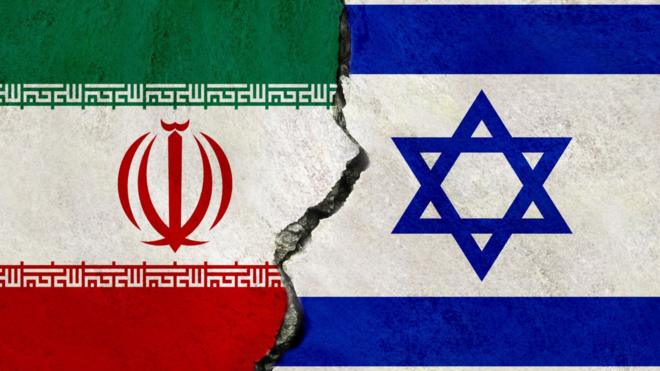
As regional countries increasingly seek to balance the influence of Iran and Israel, reactions are rising from some Arab circles that are beginning to adopt a new perspective on the nature of this conflict. It has been considered that the historical enmity between Iran and Israel may divert attention from the real dangers each poses to Arab nations.
This shift in discourse indicates that some entities, whether political or media, are attempting to soften warnings about the threat posed by Israel, directing the emphasis instead towards how to capitalize on the ongoing conflict between Iran and Israel as a means of achieving equilibrium in the region.
Details of the Event
With tensions continuously rising, current events demonstrate that Iran is employing its expansionist strategies in the context of its conflict with Israel. Recent provocations in Lebanon and Syria are seen as indicators of Tehran's willingness to enhance its regional influence, while Israel retaliates with preemptive strikes targeting forces supported by Iran.
As the frequency of these confrontations increases, some officials have begun to express dissatisfaction with the ongoing warnings about the threat of Israel, claiming that a continued focus on this danger overlooks the more direct threats emerging from civil conflicts and extremism in the region.
Background & Context
The dispute between Iran and Israel has become more pronounced since the Iranian Revolution in 1979, when Iran came into stark opposition with the Israeli entity, which it views as a regional competitor. This animosity deepened with the outbreak of conflicts in Iraq and Syria, where both sides exploited opportunities to expand their influence.
Over the past decades, the region has witnessed numerous changes, such as the emergence of armed groups backed by Iran, which has heightened concerns for both Israeli and Arab stakeholders. In this context, some observers note that the power struggle in Syria serves as a clear example that has profoundly impacted existing relations among Islamic states.
Impact & Consequences
The new perceptions adopted by some Arab entities carry various potential risks. Downplaying the threat of Israel might signify a disregard for its advanced military and technological capabilities, which could pose a significant challenge to Arab national security.
Additionally, this new framework could diminish opportunities for regional cooperation to address major challenges, particularly in light of the complex regional landscape. Some Arab nations are seeking to establish new balances that require a profound understanding of the surrounding international and regional relations.
Regional Significance
Questions remain about how Arab nations will respond to these new changes in the region. Instead of focusing on past conflicts, Arab countries may need to reassess their strategies to devise new plans for tackling common challenges.
It's essential to bolster regional cooperation among Arab states to confront major threats, as any slackening in these relations could complicate the geopolitical situations in the region, negatively impacting its stability.
Ultimately, the conflict between Iran and Israel remains complex and directly influences the future of policies in the Middle East. Understanding this conflict and building new strategies necessitates an examination of security factors and ensuring Arab interests in a manner that balances existing risks and challenges.