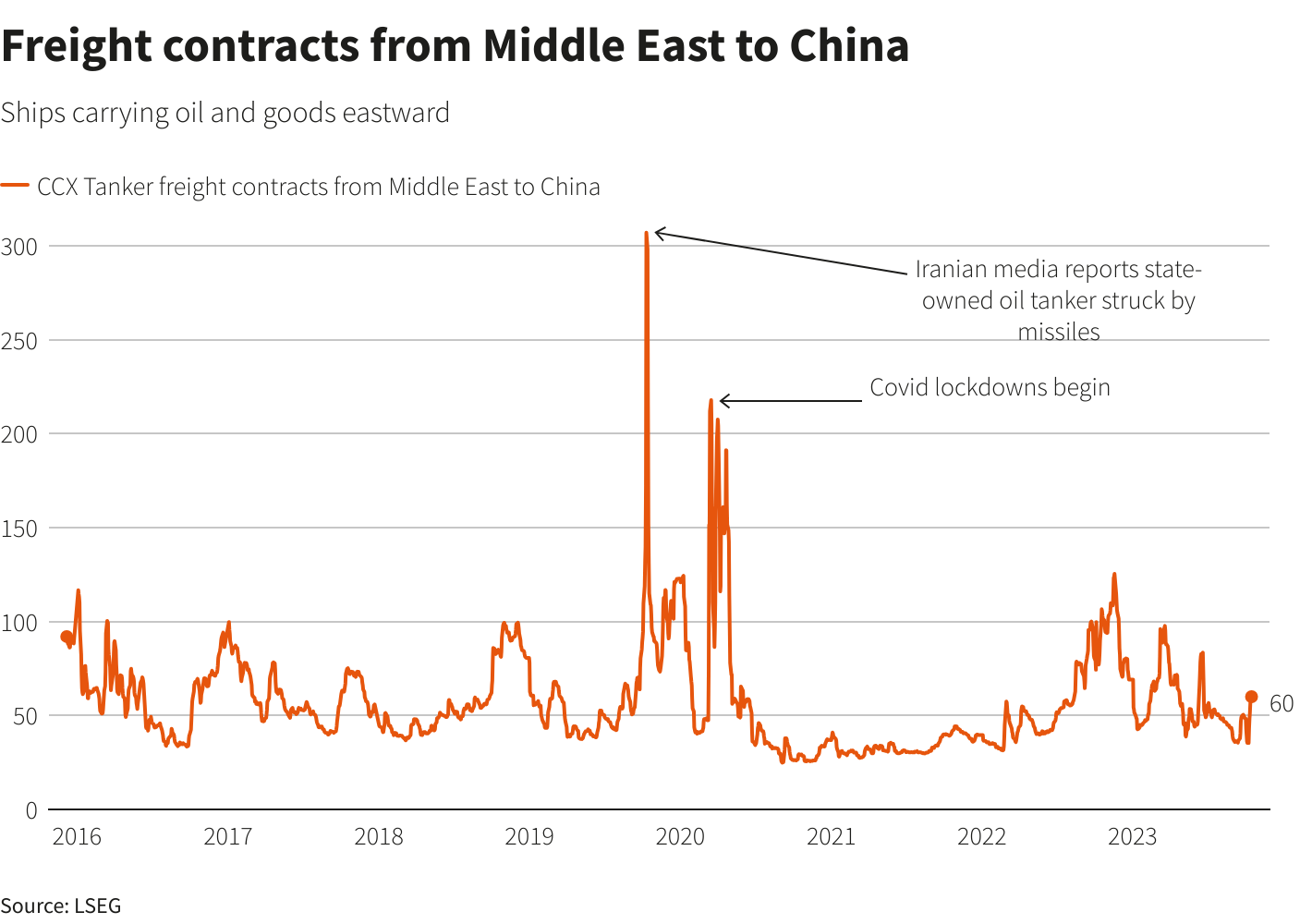
The ongoing conflicts in the Arab world are significantly increasing economic challenges, raising the 'war bill' for many nations. Reports indicate that the repercussions affect all aspects of daily life for citizens, leading to rising prices and declining living standards.
In recent years, many Arab countries have witnessed a surge in armed conflicts, exacerbating economic crises. Wars do not only impact infrastructure but also extend their effects to various economic sectors such as agriculture, industry, and services.
Details of the Situation
Data shows that the cost of conflicts in the region has exceeded billions of dollars, causing the destruction of vital facilities and increasing unemployment rates. Armed conflicts also lead to brain drain, as many skilled individuals leave their countries in search of better opportunities abroad.
Moreover, the political and economic crises resulting from these conflicts lead to rampant corruption and weakened institutions, complicating economic conditions further. Citizens suffer from a decline in public services such as education and healthcare due to funding shortages.
Background & Context
Historically, the Arab region has experienced numerous armed conflicts, ranging from civil wars to regional disputes. These conflicts are often the result of political or ethnic tensions, complicating economic conditions even further. For instance, the civil war in Syria has led to the destruction of the local economy, with growth rates plummeting significantly.
Similarly, conflicts in Yemen, Libya, and Iraq have greatly affected economic stability in those countries. Each war leaves behind devastating effects that require years of effort for reconstruction and recovery.
Impact & Consequences
The effects of conflicts transcend national borders, impacting regional stability. The economic crises resulting from wars lead to increased migration and displacement, creating new challenges for neighboring countries. Additionally, these crises affect intra-regional trade, hindering economic growth in the area.
These conditions require a response from the international community, as major countries must play a role in resolving conflicts and supporting reconstruction efforts. International cooperation can help mitigate the effects of conflicts and improve economic conditions.
Regional Significance
The current situation in the Arab world necessitates a comprehensive reassessment of economic and social policies. Wars and conflicts affect all aspects of life, calling for concerted efforts from governments and civil societies to find sustainable solutions.
Ultimately, there must be a collective awareness of the importance of peace and stability to achieve economic development. The 'war bill' is not just a set of numbers; it reflects the suffering of peoples and their daily challenges.