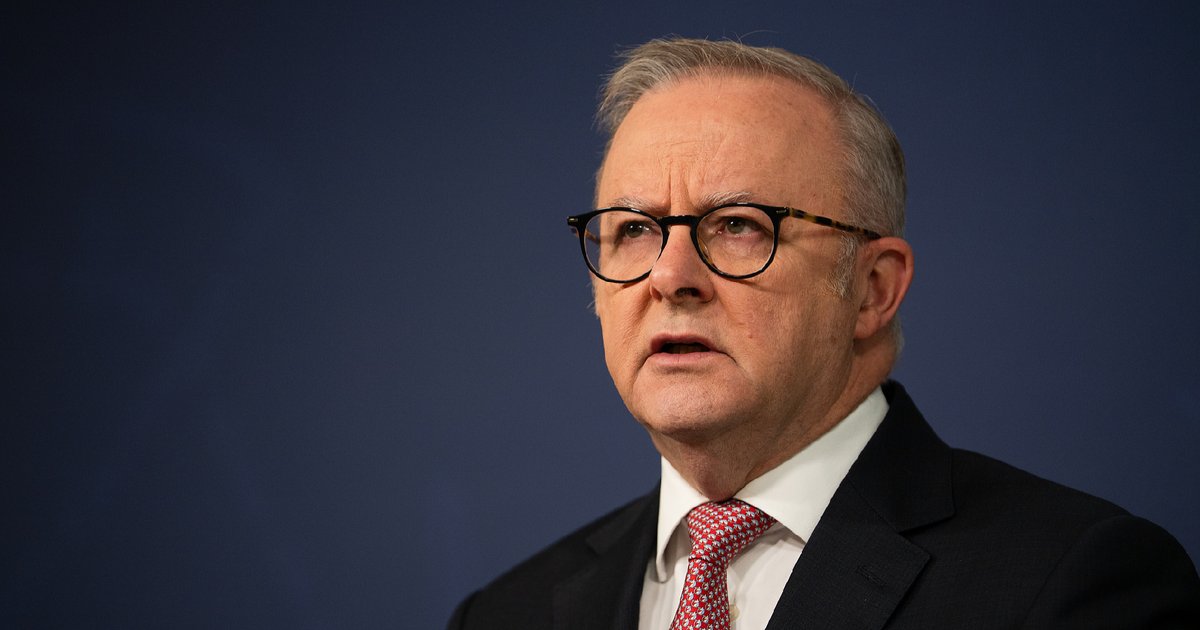
In a national address delivered on Wednesday evening, Australian Prime Minister Anthony Albanese called on his fellow citizens to take measures to conserve fuel, emphasizing the importance of using public transportation. This call comes at a time when global markets are experiencing an oil crisis due to escalating tensions in the Middle East.
Albanese affirmed that conserving fuel is not only a national duty but also a necessary step to address the economic challenges arising from rising energy prices. He also noted that the Australian government is working on finding long-term solutions to secure energy supplies.
Details of the Address
The Prime Minister's call comes at a sensitive time, as many countries are suffering from rising oil prices due to ongoing conflicts in the Middle East, which directly affect global energy markets. Albanese pointed out that Australia is not isolated from these crises and that there is an urgent need to reduce dependence on fossil fuels.
He also encouraged citizens to consider using public transportation as an effective alternative, which would contribute to reducing traffic congestion and harmful emissions. Citizens have responded variably to this call, with some noting that public transportation may be inconvenient in certain areas.
Background & Context
Historically, Australia has faced several oil crises, but the current crisis is considered one of the most impactful. This is due to the rising tensions in the Middle East, which include conflicts in countries such as Syria and Iraq, along with tensions among major powers. These crises lead to significant fluctuations in oil prices, negatively impacting the Australian economy.
Moreover, Australia relies heavily on oil imports, making it vulnerable to global price fluctuations. These circumstances have led to increasing calls from both the government and citizens to adopt new strategies in the energy sector.
Impact & Consequences
Albanese's call for fuel conservation is an important step in the Australian government's efforts to address economic crises. If citizens respond to this call, it could lead to reduced pressure on local markets and improved environmental conditions. Additionally, using public transportation can help decrease carbon emissions, aligning with global environmental goals.
However, the government may face challenges in convincing citizens to change their habits, especially in areas where public transportation is insufficient. Therefore, the government needs to improve public transportation infrastructure to meet citizens' needs.
Regional Significance
Arab countries are significantly affected by oil crises, as they are among the largest oil producers in the world. The rise in oil prices due to conflicts in the Middle East impacts the economies of these countries, reflecting on their political and social stability. Thus, Albanese's call for fuel conservation may serve as a lesson for Arab countries on how to handle economic crises.
In conclusion, the oil crisis remains a major challenge facing the world, and any steps taken by countries like Australia may have far-reaching implications on a global scale.