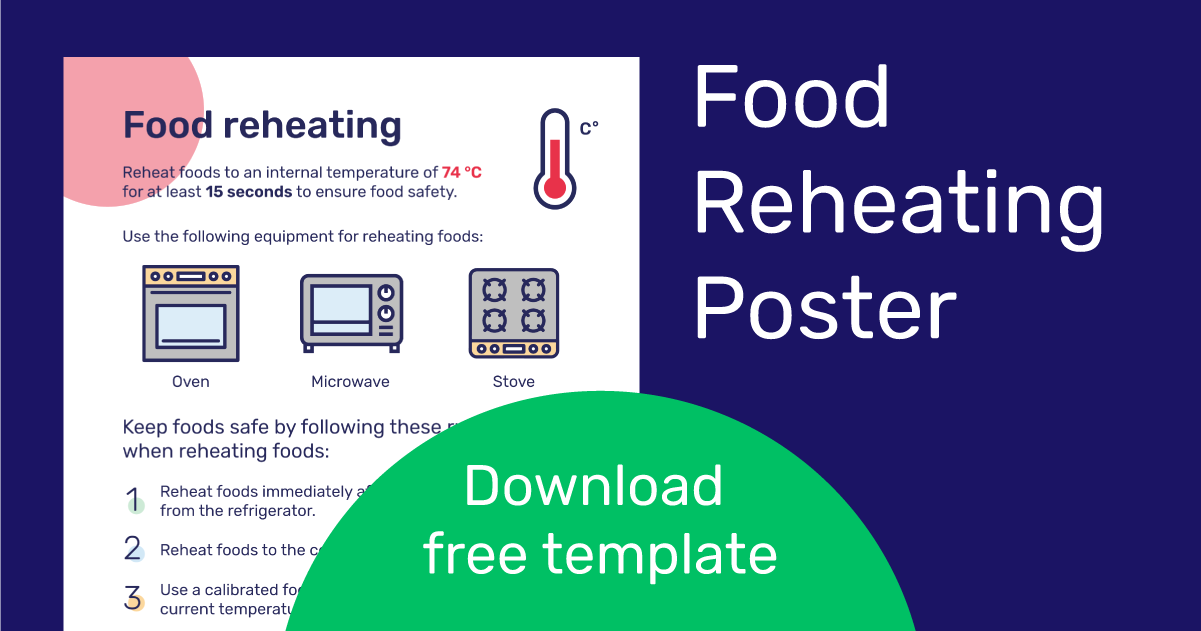
Certain foods can lead to fatigue and exhaustion when reheated. Nutrition experts have warned about seven foods that may have negative health effects. It is important to be aware of what we eat and how we prepare it, as some foods can lose their nutritional value or turn into harmful substances when reheated.
Among the foods to avoid reheating is rice, which can contain bacteria known as Bacillus cereus, potentially causing food poisoning. If cooked rice is stored for a long time, reheating it may exacerbate the problem.
Details of the Event
In addition to rice, chicken is another food that requires caution when reheating. Improper reheating can lead to bacterial growth, increasing the risk of food poisoning. Some vegetables, such as spinach and beetroot, contain nitrates that can turn into toxic substances when reheated.
Furthermore, it is advisable to avoid reheating potatoes, as they can cause health issues if stored improperly. Reheating eggs may also lead to a loss of nutritional value, along with potential digestive problems.
Background & Context
Concerns regarding public health are increasing due to unhealthy eating habits. In recent years, people have become more aware of the importance of proper nutrition and its impact on overall health. Therefore, knowing which foods can be harmful when reheated is part of this growing awareness.
Modern life demands speed and convenience, prompting many to reheat leftover food. However, it is crucial to be cautious in how we handle these foods to ensure our safety.
Impact & Consequences
Bad eating habits may lead to an increase in cases of food poisoning, putting additional pressure on healthcare systems. Thus, raising awareness about foods to avoid reheating can play an important role in reducing these risks.
Moreover, these habits can affect quality of life, as consuming unhealthy food can lead to chronic health issues such as obesity and diabetes.
Regional Significance
In the Arab region, where traditional foods are an essential part of the culture, it is important to educate people on how to properly prepare and store foods. This knowledge can contribute to enhancing public health and reducing health risks associated with nutrition.
In conclusion, we must be mindful of what we eat and how we prepare it. Avoiding the reheating of harmful foods can contribute to improving our overall health and reducing potential health risks.