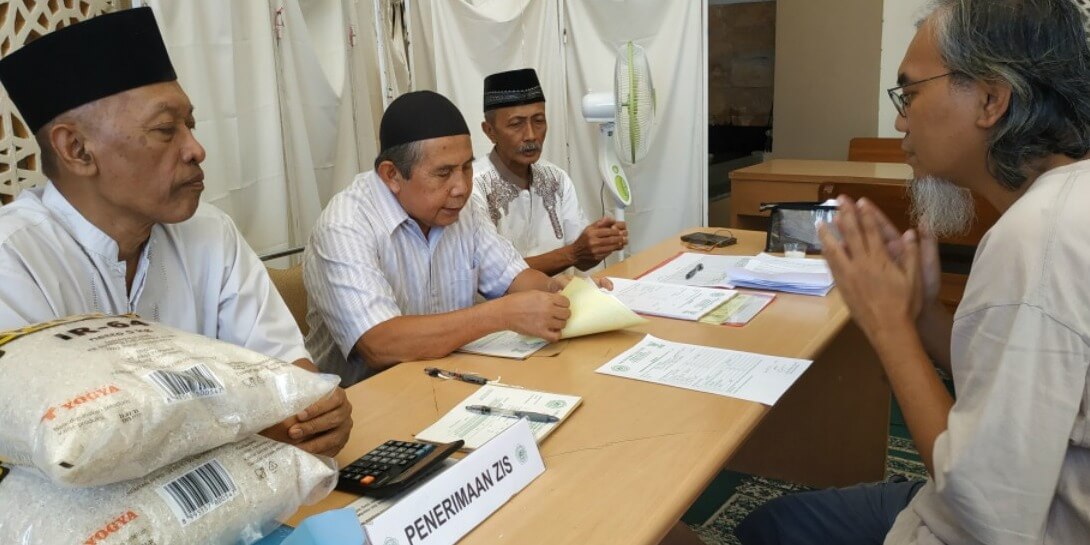
Indonesian Minister of Rural Development and Underdeveloped Regions, Yandri Susanto, has urged the National Zakat Agency (Baznas) to collaborate on implementing the 'Zakat Village' program, which aims to enhance the welfare of communities in rural areas. This announcement was made during a meeting held at the ministry's office in Jakarta, where Susanto emphasized the importance of zakat in improving the living conditions of poor families.
Susanto pointed out the necessity of raising awareness among local communities about the significance of giving zakat, stating: "Individuals must realize that the money they earn is from God, and thus they should give zakat from their wealth. This money can be used to build villages and improve education and health."
Event Details
During the meeting, both parties agreed to strengthen cooperation in several areas, including raising awareness about zakat in villages, establishing zakat collection units (UPZ), and developing zakat-based village models. Susanto confirmed that the Ministry of Rural Development and Baznas share a common goal of enhancing community awareness regarding the importance of zakat.
The minister also noted that there are numerous economic programs being implemented by the government, such as poultry and fish farming, which can be integrated with zakat programs. This integration can contribute to improving income and increasing awareness of the importance of zakat.
Background & Context
Zakat is one of the fundamental pillars of Islam, imposed on capable Muslims as a means to assist the poor and needy. In Indonesia, zakat is considered an effective tool for improving the social and economic conditions of local communities. However, there remains a lack of awareness regarding how to properly give zakat and how to utilize it effectively.
The National Zakat Agency (Baznas) was established in Indonesia to systematically collect and distribute zakat. With the increasing poverty in some regions, it has become essential to enhance efforts to increase zakat collection and ensure its fair distribution.
Impact & Consequences
The collaboration between the Ministry of Rural Development and Baznas can significantly improve the living conditions of many poor families in Indonesia. By raising awareness about the importance of zakat, individuals can be motivated to participate in this process, leading to increased financial contributions that can be utilized in development projects.
Furthermore, this collaboration could lead to the creation of successful models that can be applied in other predominantly Muslim countries, thereby enhancing the effectiveness of zakat as a tool for social and economic development.
Regional Significance
Indonesia's experience in promoting zakat serves as a model that can be emulated in Arab countries. Many Arab nations face similar challenges in poverty and unemployment, and zakat can play a role in improving living conditions. By enhancing awareness of the importance of zakat and implementing effective programs, positive outcomes can be achieved in Arab communities.
In conclusion, the cooperation between the Indonesian government and Baznas represents an important step towards enhancing social and economic welfare in villages, reflecting the significance of zakat as a tool for sustainable development.