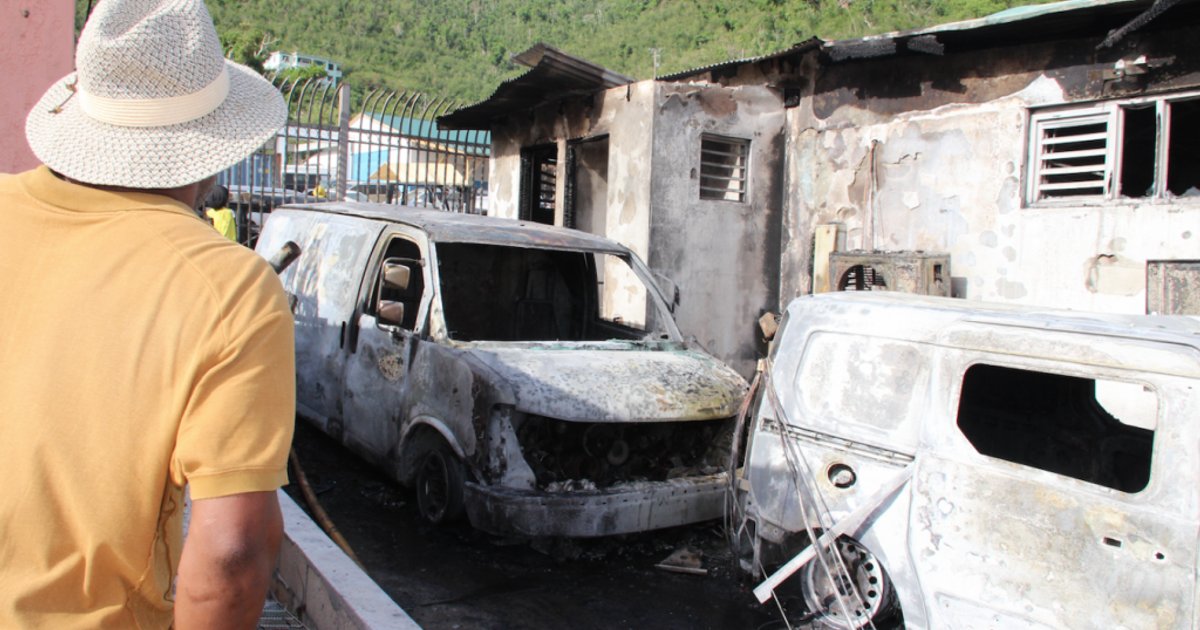
In a move reflecting the importance of safety standards in industrial facilities, the head of the Energy Committee in the Indonesian parliament, Saleh Partaonan Daula, stressed the necessity of enhancing oversight on the implementation of occupational health and safety standards (K3) after a fire broke out at a gas filling station in the Seminung area of Bekasi. The incident, which occurred due to a gas leak during the filling process, resulted in a significant explosion that injured 17 individuals, including two employees at the station.
The fire that erupted at the station, caused by gas leaks, spread to nearby homes and buildings, raising widespread concerns about safety standards in facilities dealing with flammable materials. During his visit to the area, Daula confirmed the urgent need to enhance awareness and oversight in high-risk workplaces.
Details of the Incident
Daula explained that the incident was a direct result of non-compliance with safety standards, as gas leaked during the cylinder filling process, leading to a massive explosion. He indicated that the incident requires all stakeholders, including facility owners, to take stringent measures to ensure the safety of workers and citizens.
He also called for the implementation of a strict security system in high-risk facilities, emphasizing the importance of business owners adhering to all safety procedures meticulously. He asserted that the government must play an active role in monitoring these facilities to prevent the recurrence of such incidents.
Background & Context
Indonesia is one of the countries that relies heavily on natural gas as an energy source, making safety standards in gas filling stations critically important. In recent years, the country has witnessed several similar incidents, raising questions about the adherence to safety standards in this sector.
Previous incidents, such as the gas station explosion in Jakarta in 2020, resulted in injuries and fatalities, prompting the government to reassess its policies regarding safety in industrial facilities. The recent incident in Bekasi underscores the urgent need to reevaluate and strictly implement safety standards.
Impact & Consequences
The repercussions of the recent incident could be far-reaching, potentially affecting public confidence in the safety of industrial facilities. Additionally, recurring incidents may increase pressure on the government to improve safety standards and impose penalties on violators.
This incident is expected to raise awareness among business owners about the importance of adhering to safety standards and may encourage the government to take stricter steps in monitoring facilities. Furthermore, the incident could open the floor for broader discussions on how to enhance safety in Indonesia's energy sector.
Regional Significance
Safety standards in industrial facilities are crucial not only in Indonesia but globally, including in Arab countries. Industrial accidents can lead to significant human and material losses, necessitating the enhancement of safety standards across all sectors.
The experiences of Arab countries in dealing with industrial accidents can benefit from the lessons learned from incidents in Indonesia, highlighting the importance of strictly applying safety standards to protect lives and property.